

Linda Limehouse
AI-Certified Realtor · Meybohm Real Estate
Aiken SC · North Augusta SC · Augusta GA
Buying a Home Near the Savannah River: Flood Risk, Insurance and Due Diligence
North Augusta SC Augusta GA Relocation Savannah River Flood Risk Flood Insurance Due Diligence CSRA
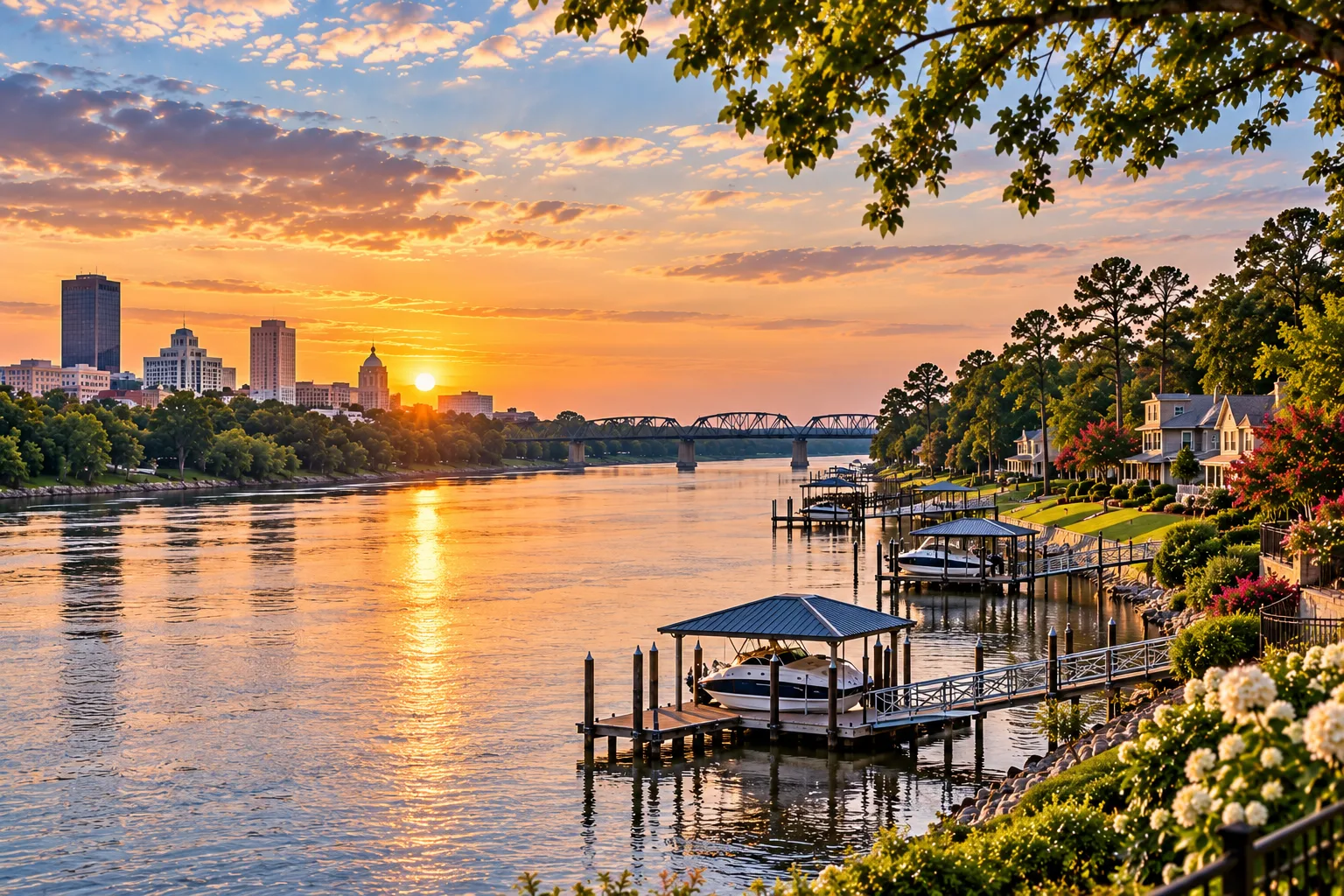
Homes along the Savannah River in North Augusta SC and Augusta GA offer a lifestyle that is hard to match: water views, river access, parks, and the everyday rhythm of communities like Hammonds Ferry and the Riverside Village area. Buying near the river also raises a question every smart buyer asks: what is the real flood risk for this specific home, and what will insurance cost? This guide walks you through flood risk, flood insurance, and the due diligence that protects your purchase.
The honest answer is that flood risk is property-specific. Two houses a few streets apart can sit in very different situations on the flood maps, and the same river that draws people to the area also demands a little extra homework. Here is how to do that homework well, in Linda's straightforward style: know the facts, get the quotes, and decide with your eyes wide open.
Key Takeaways
- Flood risk varies by address, so check the current FEMA flood map designation for the exact property rather than relying on the neighborhood's reputation.
- Flood insurance is a separate policy from homeowners insurance, and a lender may require it when the home sits in a designated high-risk flood zone.
- Inland homes can carry flood exposure too, from creeks, storm drainage, or low-lying ground, so due diligence matters everywhere in the CSRA, not just at the river's edge.
- A thorough checklist covers disclosures, elevation, survey, insurance quotes, road access, and any HOA responsibilities for drainage and shared waterfront areas.
- River-area living can be wonderful when you understand the full picture, and a local agent helps you interpret the maps, the insurance numbers, and the neighborhood context.
Table of Contents
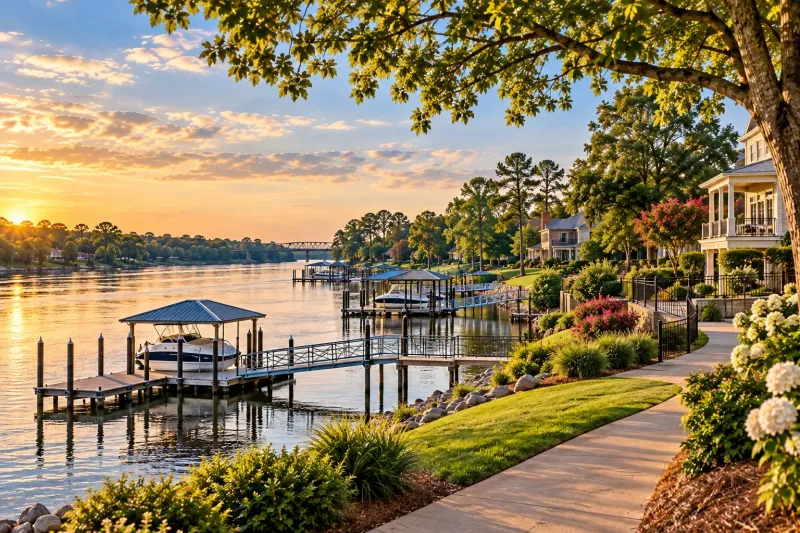
Why Do Buyers Love Homes Near the Savannah River?
There is a reason riverside communities draw so much attention in the CSRA. The river gives you changing scenery every day: morning light on the water, sunsets you never quite get tired of, and a sense of calm that is genuinely hard to find elsewhere. For many buyers, that is the point. They want their morning coffee to come with a view.
The recreation is a real part of the appeal too. The North Augusta Greeneway runs along the river and connects neighborhoods to miles of trail for walking, cycling, and getting outdoors. The Riverside Village area brings riverfront dining, events, and the ballpark into a compact, walkable setting, while Hammonds Ferry offers a distinctly walkable, new-urbanist riverfront neighborhood with parks and porches that face the water.
For families relocating to the region, the river is also a geography lesson in one glance. North Augusta sits on the South Carolina side, Augusta on the Georgia side, and each community has its own schools, taxes, and everyday conveniences. Relocating to North Augusta and relocating to Augusta both bring buyers within an easy drive of everything the other side offers.
None of that appeal changes because a home sits near water. What changes is the homework you should do, and that is exactly where we go next.

How Does Flood Risk Really Work Near the River?
Flood risk near the Savannah River is not a single number for the whole area. It is a designation that belongs to a specific piece of ground, determined by mapping that communities use to plan and to price insurance. The Federal Emergency Management Agency, FEMA, publishes these flood maps, and they are the starting point for almost every flood-related decision a buyer makes.
High-risk zones are often labeled with letters like A or V. Homes in those zones face a higher statistical chance of flooding, and that designation is what typically triggers a lender's flood insurance requirement. Moderate- and low-risk zones, often labeled B, C, or X, carry less risk on the map, but flooding can still happen there, especially during heavy, extended rain.
Here is the part that surprises a lot of buyers: flood exposure is not limited to the river's edge. Inland properties across Augusta, North Augusta, and the wider CSRA can sit near creeks, drainage channels, or low-lying ground that collects water in a big storm. A home a mile from the river can face flood considerations, and a riverfront lot with a good elevation can be in a far better position than its neighbor. The map, not the proximity to water, is what sets the baseline.
Flood maps also change over time. They are updated as development happens, flood control projects are built, and new data comes in. A designation from ten years ago may not match the map today, which is one more reason to verify the current status for the exact address during your due diligence.
For a deeper look at how these designations work and what the letters mean, I wrote a companion piece, the Flood Zone Reality Check for Augusta and North Augusta buyers. It goes step by step through flood zones and the tools FEMA provides.
Do I Need Flood Insurance for a River-Area Home?
The short answer: it depends on the property and the loan. If the home sits in a designated high-risk flood zone and you are using a federally backed mortgage, your lender is generally required to have flood insurance in place before closing. That includes FHA and VA loans as well as most conventional financing sold to Fannie Mae or Freddie Mac.
If the home is in a moderate- or low-risk zone, a lender may not require flood insurance at all. Many owners still choose to buy it. River systems and creeks can rise during prolonged rain regardless of what the map says, and flood coverage is often less expensive in lower-risk zones, which makes the peace of mind more affordable.
Flood insurance is not part of your homeowners policy. It is a separate policy, most commonly through the National Flood Insurance Program, NFIP, which is sold through participating private insurers. Building coverage and contents coverage are priced separately, and there is typically a waiting period before a new policy takes effect, so this is a conversation to start early, not the week of closing.
Premiums are quoted by property, not by neighborhood. The zone, the elevation of the home, the age and construction of the structure, the coverage amounts, and the deductible all feed the number. A quote for one address tells you very little about another, which is why the right move is to have an insurance agent run the actual address you are considering.
If you are shopping insurance alongside your home search, my homeowners insurance guide for CSRA buyers covers the full picture, from hazard coverage to replacement cost, with flood treated as its own important layer.
Your Due Diligence Checklist for River-Area Homes
Due diligence near the river is the same discipline as anywhere else, with a few river-specific additions. Work through this list with your agent, your lender, and your insurance agent:
- Read the seller's disclosure carefully and ask directly about any past flooding, water intrusion, or drainage issues on the property.
- Pull the current FEMA flood map designation for the exact address, and ask for the flood determination your lender runs during the loan process.
- Look for an elevation certificate. Homes in mapped floodplains often have one on file, and it documents the home's elevation relative to flood levels.
- Review the survey for boundary lines, the location of the home and any docks or bulkheads, and whether improvements sit within the mapped zone.
- Get insurance quotes for the actual address: a homeowners quote and a flood quote, so the real monthly ownership cost has no surprises.
- Check road access and know the neighborhood's situation in heavy weather. Ask about the roads you would use to get in and out, and whether they are prone to standing water.
- Understand HOA responsibilities where they exist: drainage, shared docks, bulkheads, and common waterfront areas all need a clear answer on who maintains what and who pays.
- Ask about the property's history with water, including any storm events, and verify what you hear against records and the disclosure.
None of these steps are designed to scare you away from the river. They are designed to give you a complete, honest picture so that when you do fall in love with a home, you fall in love with the whole truth of it, and you budget accordingly.

How a Local Agent Helps You Sort It All Out
If this checklist feels like a lot, that is normal, and it is exactly why a local agent earns their place in the process. A good agent reads flood maps every time a river-area home comes up, and they know which questions turn a vague concern into a specific answer for your address.
I can connect you with lenders and insurance agents who write flood coverage in the CSRA routinely, so you get real quotes instead of generalities. I can help you compare homes across neighborhoods like Hammonds Ferry, the Riverside Village area, and established North Augusta neighborhoods where flood considerations differ from street to street. And if a seller's disclosure raises a flag, we work through what it means for the offer, the price, and your comfort.
For buyers moving to the area, this is also where local knowledge pays off. Whether you are weighing the North Augusta side or the Augusta side of the river, I help you compare schools, commute, taxes, and lifestyle alongside the flood picture, so the whole decision stays balanced.
My job is to give you clarity, not pressure. If a home near the river is right for you, we move forward with confidence. If the numbers tell you otherwise, I would rather you know before you sign than after.

Frequently Asked Questions
Is flood insurance required for every home near the Savannah River?
No. Whether flood insurance is required depends on the specific property's flood zone and the type of mortgage you use. If the home sits in a designated high-risk flood zone (often labeled with letters like A or V) and you are using a federally backed loan, your lender will generally require flood insurance. Homes in moderate- or low-risk zones (often labeled B, C, or X) may not trigger a lender requirement, though flood coverage is still available and often worth considering. Verify the exact designation for the address with your lender and an insurance agent.
How do I check whether a specific home is in a flood zone?
Start with FEMA's Flood Map Service Center, which publishes the official flood maps and lets you search by street address. Your agent, your lender, and an insurance agent can also pull the property's flood determination, and it is often documented in the survey or title work. Flood maps change over time, so confirm the current designation for the exact parcel rather than relying on what a neighbor or seller recalls.
Does homeowners insurance cover flood damage?
No. A standard homeowners policy generally excludes flood damage. Flood coverage is a separate policy, most commonly through the National Flood Insurance Program (NFIP), which is administered through participating private insurers. Building coverage and contents coverage are separate, and there is typically a waiting period before a new flood policy takes effect, so it is smart to start that conversation early rather than at closing.
Should I rule out a home just because it is near the river?
Not at all. A home near the river is a different buy, not automatically a bad one. Many buyers happily enjoy river views, water access, and the recreation along the Savannah once they understand the flood zone, the insurance cost, and the property's elevation and history. Get the mapping, get a quote, and get the facts before you commit, then decide what you can carry comfortably.
Looking at a Home Near the River?
Whether you are just starting to look or you are ready to make an offer, I can help you work through flood risk, insurance numbers, and the neighborhood details that make a river-area home feel right. Let us take the next step together.
Linda Limehouse, REALTOR®
Meybohm Real Estate · North Augusta SC
Licensed in South Carolina (67440) and Georgia (323267)
Office: 803-278-4437
Serving Aiken, North Augusta, Augusta, and the greater CSRA.
Reviewed by Linda Limehouse, REALTOR® · Licensed in South Carolina and Georgia · More than 20 years of CSRA real estate experience