

Linda Limehouse
AI-Certified Realtor® · Meybohm Real Estate
Aiken SC · North Augusta SC · Augusta GA
Cost of Owning Horse Property in Aiken SC: What Buyers Should Know Before They Buy
Aiken SC Horse Properties Equestrian Acreage Buyer Tips Luxury Homes Relocation
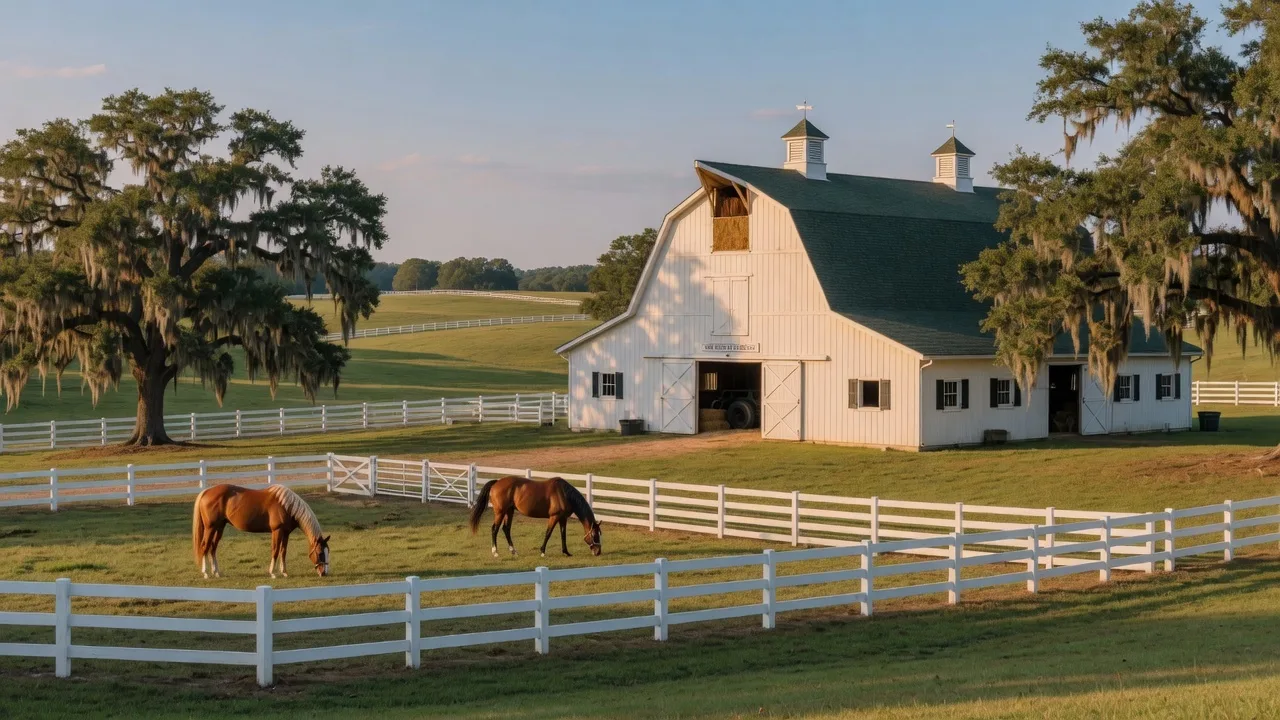
Buying a horse property in Aiken SC is exciting. The pastures, the barn, the trails, the lifestyle — it is easy to fall in love with the idea of owning your own piece of horse country. But before you make an offer, it helps to understand what it actually costs to own and maintain a horse property here, beyond the purchase price.
I have worked with many buyers over the years who were ready to make the move to Aiken for the equestrian lifestyle. The ones who plan ahead — who understand the real costs of ownership before they buy — are the ones who enjoy the process the most. This guide is designed to give you that clarity. Whether you are a first-time horse property buyer or relocating from another state, these are the costs you should be thinking about.
Key Takeaways
- ✓ The purchase price is only part of the picture — ongoing expenses like farrier care, feed, barn maintenance, and insurance can add $15,000 to $50,000 or more per year depending on your setup.
- ✓ Barn condition, fencing, pasture quality, and water access all affect your long-term maintenance costs significantly.
- ✓ South Carolina offers an agricultural use value assessment that can lower property taxes on qualifying equestrian properties.
- ✓ Boarding vs. owning on-site is a real financial decision — the right choice depends on how many horses you keep and what lifestyle you want.
- ✓ Working with a local agent who understands horse properties helps you budget accurately and avoid costly surprises after closing.
Table of Contents
- The Purchase Price Is Just the Beginning
- Farrier, Veterinary, and Feed Costs
- Barn Maintenance and Repairs
- Fencing and Pasture Care
- Water, Utilities, and Insurance
- Property Taxes and Agricultural Exemptions
- Boarding vs. Owning Horse Property: The Cost Comparison
- What Buyers Should Know Before They Buy
- Linda's Local Insight
- Client-Friendly Takeaway
- FAQs
The Purchase Price Is Just the Beginning
When buyers start looking at horse property in Aiken SC, the listing price is usually the first number they focus on. And rightfully — it determines your mortgage payment and your budget. But the purchase price is only one piece of the financial picture. The real cost of owning a horse property is what happens after you close.
Think about it this way: a standard home needs roof repairs, yard maintenance, and utility bills. A horse property needs all of that — plus barn upkeep, fencing maintenance, pasture care, animal health costs, and often higher insurance premiums. These are not occasional expenses. They are ongoing, predictable costs that you should budget for from day one.
Buyers who understand these costs before they shop are in a much better position to evaluate properties honestly. A beautiful home with a neglected barn might look like a deal, but the cost of repairing that barn could change the equation entirely. That is why it helps to look at the full picture — purchase price plus the true annual cost of ownership.
Farrier, Veterinary, and Feed Costs
If you own horses, these are your most consistent and non-negotiable expenses. Here is what you can expect in the Aiken area:
Farrier Services
Most horses need their feet trimmed every 6 to 8 weeks, and many wear shoes that need replacing on the same schedule. In the Aiken area, a basic trim typically runs $45 to $75 per visit, while a full set of shoes can range from $100 to $200 or more depending on the farrier and the horse's needs. Over a year, that adds up to roughly $600 to $1,500 per horse — and that is just for basic hoof care.
Veterinary Care
Routine veterinary care includes wellness exams, vaccinations, deworming, and dental floats. Most horse owners schedule a wellness visit once or twice a year, which can cost $300 to $600 per visit depending on the services provided. Emergency veterinary calls are unpredictable but can range from several hundred to several thousand dollars depending on the situation. Having a good relationship with a local equine vet — and a plan for emergencies — is essential.
Feed and Hay
Hay is the foundation of most horses' diets. In the CSRA, the cost of quality hay fluctuates by season, but most horse owners pay between $5 and $10 per bale for standard grass or alfalfa mixes. A horse that is primarily on pasture may go through fewer bales, while a stabled horse can consume one to two bales per day. Supplement that with grain, minerals, and any special dietary needs, and annual feed costs for a single horse can run anywhere from $1,500 to $4,000 or more.
When you multiply these costs across multiple horses, the numbers add up quickly. A family keeping three horses should expect annual animal care costs alone — farrier, vet, and feed — to fall somewhere in the range of $6,000 to $15,000 or more.
Barn Maintenance and Repairs
The barn is one of the most important structures on any horse property — and one of the most expensive to maintain. Even a barn in good condition requires regular attention.
Common maintenance tasks include roof inspections and repairs, gutter cleaning, stall cleaning and bedding replacement, aisle and wash rack upkeep, lighting and electrical maintenance, and ventilation system checks. The roof is typically the biggest expense — a metal barn roof in the Aiken area can cost anywhere from $15,000 to $40,000 or more to replace depending on the size and material.
Beyond routine maintenance, older barns may need structural repairs, updated electrical wiring, improved drainage, or stall reconfiguration. These are the kinds of expenses that can catch buyers off guard if they do not have the barn professionally inspected before purchase.
A practical approach is to set aside an annual barn reserve — many experienced horse property owners budget 1% to 2% of the property value per year for maintenance and capital improvements. On a $750,000 property, that is $7,500 to $15,000 per year in reserves for the barn, fencing, and other infrastructure.
Fencing and Pasture Care
Fencing is one of the most important safety features on a horse property, and it is also one of the most expensive to install and maintain. In Aiken, wooden post-and-rail fencing is the standard look and is generally safe for horses when properly maintained. New post-and-rail fencing typically costs between $8 and $20 per linear foot depending on materials, terrain, and the number of gates.
Ongoing fencing costs include replacing broken rails, repairing leaning posts, treating or painting wood fencing, and maintaining electric or tape fencing systems. These are not one-time fixes — fencing takes a beating from weather, horses, and time. A thorough walk of the fence line once or twice a year is a smart habit.
Pasture care is another recurring cost. Mowing, dragging, seeding, weed control, and soil testing all contribute to keeping your pastures healthy and safe for your horses. Well-maintained pastures reduce the need for supplemental hay and help prevent parasite problems. In the Aiken area, many property owners work with local land management services or handle pasture care themselves with a tractor and basic equipment.
If you are buying a property with overgrown or poorly managed pastures, the cost of bringing them back to good condition should be factored into your offer. Land restoration is not always cheap, and it takes time.
Water, Utilities, and Insurance
Water access is a critical factor on horse property. Many properties in the Aiken area rely on private wells, and others use municipal water. If you have a well, you should budget for periodic testing, pump maintenance, and potential repairs. A well pump replacement can cost several thousand dollars, and water quality issues may require treatment systems.
Municipal water provides more predictable availability but comes with a monthly bill that is typically higher than standard residential usage given the demands of watering horses, irrigating pastures, and cleaning barns.
Utility costs on horse property tend to run higher than a standard home. Barn lighting, water heaters for wash racks, arena lighting if applicable, and heating or cooling for tack rooms all add to the monthly utility bill.
Insurance is another important cost. Horse property insurance — often called equine property insurance or farm insurance — covers the home, barn, outbuildings, fencing, and sometimes liability related to horse activities. Premiums vary based on the property value, the type of structures, and the activities conducted on-site. It is worth getting quotes before you buy so you can include insurance costs in your monthly budget.
Property Taxes and Agricultural Exemptions
Property taxes in Aiken County are based on the assessed value of your home, land, and improvements. For horse properties with significant acreage, barns, and other structures, the assessed value — and therefore the tax bill — can be considerably higher than a standard residential property.
However, South Carolina offers an agricultural use value assessment that can significantly reduce the taxable value of land used for farming or equestrian purposes. To qualify, the property generally must meet certain criteria related to agricultural production or use. This exemption applies to the land portion of the assessment, which can make a meaningful difference for properties with large acreage.
It is a good idea to talk with a local tax professional or the Aiken County Assessor's office about whether your property qualifies. Many horse property owners in the area take advantage of this benefit, and it is one of the financial advantages of owning acreage in South Carolina.
Boarding vs. Owning Horse Property: The Cost Comparison
One of the questions I hear most often from buyers is whether it is more cost-effective to own horse property or to board their horses at a local facility. The answer depends on your situation, the number of horses you keep, and the lifestyle you want.
Boarding a horse in the Aiken area typically costs between $600 and $1,500 per month depending on the facility, the level of care included, and whether you choose stall board or pasture board. Full-service boarding usually covers feeding, turnout, stall cleaning, and basic management. Training, lessons, and additional services are usually separate.
For buyers with one or two horses, boarding can be a more affordable option — especially if you are not ready to take on the maintenance of a barn, fencing, and pastures. It also gives you time to learn the area, find the right property, and plan any improvements before bringing your horses home.
For buyers with three or more horses, the math often shifts in favor of owning. The cost of boarding multiple horses can exceed the annual maintenance costs of your own property, and owning gives you full control over your facilities, your routine, and your horses' care. Many buyers choose a hybrid approach — purchasing horse property and boarding one or two horses nearby while they renovate or build out their own barn and pastures.
What Buyers Should Know Before They Buy
Here are the practical steps I recommend for any buyer considering horse property in Aiken SC:
- Budget for the full cost of ownership. Look beyond the purchase price and mortgage payment. Include feed, farrier, vet, insurance, property taxes, water, utilities, and maintenance in your annual budget.
- Get a barn and land inspection. A standard home inspection does not cover barns, fencing, or pastures in detail. A separate evaluation can save you from expensive surprises.
- Understand the condition of the fencing. Fencing is expensive to replace. If it needs significant work, factor that into your offer.
- Check water access and well capacity. Know whether the property uses a well or municipal water, and understand the flow rate, quality, and any limitations.
- Ask about the agricultural exemption. It can meaningfully reduce your annual property tax bill on qualifying acreage.
- Think about your long-term plans. Does the property have room for an arena, additional stalls, or expanded pastures if your needs grow? A property that fits your future as well as your present is a smarter investment.
- Consider boarding as a bridge strategy. If the property needs work before your horses move in, nearby boarding facilities give you flexibility while you get settled.
Linda's Local Insight
One thing I always remind buyers is that no two horse properties are alike — even when they look similar on paper. A property with a new barn and established pastures will cost very different to maintain than a fixer-upper with an aging barn and overgrown fields. The numbers change based on condition, acreage, number of horses, and how you plan to use the land.
I take the time to walk through these numbers with my clients before they make an offer. Understanding the real annual cost of ownership — not just the sticker price — helps you make a confident decision and avoid surprises down the road. That is what good guidance looks like.
As an AI-Certified Realtor® with Meybohm Real Estate, I combine more than 20 years of local equestrian real estate knowledge with modern market analysis to help you evaluate horse properties honestly. Whether you are buying your first barn or relocating from another state, I am here to make sure you understand the full picture before you commit.
Client-Friendly Takeaway
Owning horse property in Aiken SC is a rewarding experience, but it comes with real costs that every buyer should understand before making a decision. The purchase price is just the starting point — farrier care, veterinary services, feed, barn maintenance, fencing, pasture management, insurance, and property taxes all add up over time.
The best thing you can do is plan ahead. Build a realistic annual budget, get the right inspections, and work with a local agent who understands what horse property ownership really looks like in the Aiken area. When you know the numbers, you can buy with confidence and enjoy the lifestyle without the stress of unexpected costs.
If you have questions about horse property costs in Aiken SC, North Augusta SC, or Augusta GA, I am always happy to talk through the details. Real estate decisions are easier when you have clear, honest information — and that is what I am here to provide.
Related Reading
Have Questions About Horse Property Costs in Aiken SC?
I would love to help you understand what horse property ownership really looks like in the Aiken area. Whether you are buying your first equestrian property or relocating from out of state, I can walk you through the costs, the options, and the best path forward for your situation.
Linda Limehouse
First AI-Certified Realtor® | Meybohm Real Estate
Licensed in SC & GA
Serving Aiken SC, North Augusta SC, Augusta GA, and the CSRA.
Frequently Asked Questions
How much does it cost to own a horse property in Aiken SC each year?
Annual costs vary depending on the size of the property, the number of horses, and the level of facilities, but most horse property owners in Aiken SC can expect to spend between $15,000 and $50,000 per year beyond their mortgage. This includes feed, farrier visits, veterinary care, barn maintenance, fencing upkeep, pasture management, insurance, and property taxes. Larger equestrian estates with arenas, multiple barns, and staff will naturally run higher.
What are the biggest ongoing expenses for horse property owners in Aiken SC?
The biggest ongoing expenses include farrier services (typically every 6 to 8 weeks), routine and emergency veterinary care, hay and feed, barn and fencing maintenance, pasture mowing and seeding, property insurance, and property taxes. Water costs can also be significant if the property relies on a well that needs maintenance or a municipal supply. Buyers should budget for these costs before purchasing so there are no surprises.
Is it cheaper to board a horse in Aiken SC than to own horse property?
Boarding a horse at a local facility in the Aiken area typically costs between $600 and $1,500 per month depending on the level of care, stall vs pasture board, and whether training is included. For buyers who only have one or two horses, boarding can sometimes be more affordable than maintaining a full barn and pasture setup. However, owning horse property gives you control over your facilities, daily routine, and long-term investment. Many buyers do both — they board initially and transition to on-site care once their property is set up.
What should I budget for barn maintenance on a horse property in Aiken SC?
Barn maintenance costs depend on the size and condition of the structure. Common expenses include roof repairs or replacement, stall cleaning supplies, lighting and electrical maintenance, drainage upkeep, and general repairs. A well-maintained barn in good condition may only need minor annual upkeep, while an older barn could require significant investment. It is a good idea to have a professional barn inspection before purchasing and to set aside a reserve fund for future repairs.
Are property taxes higher on horse property in Aiken SC?
Property taxes on horse property in Aiken SC are based on the assessed value of the land, home, and any improvements like barns and arenas. South Carolina offers an agricultural exemption (Agricultural Use Value Assessment) for properties that meet certain criteria related to farming or equestrian use, which can lower the taxable value of the land. This is worth exploring with a local tax professional, as it can make a meaningful difference in your annual costs.
Linda Limehouse | First AI-Certified Realtor®
Meybohm Real Estate · Aiken, SC
803-278-1800