

Linda Limehouse
AI-certified Realtor® · Meybohm Real Estate
Aiken SC · North Augusta SC · Augusta GA
Home Inspection Tips for CSRA Buyers: What to Know Before You Close
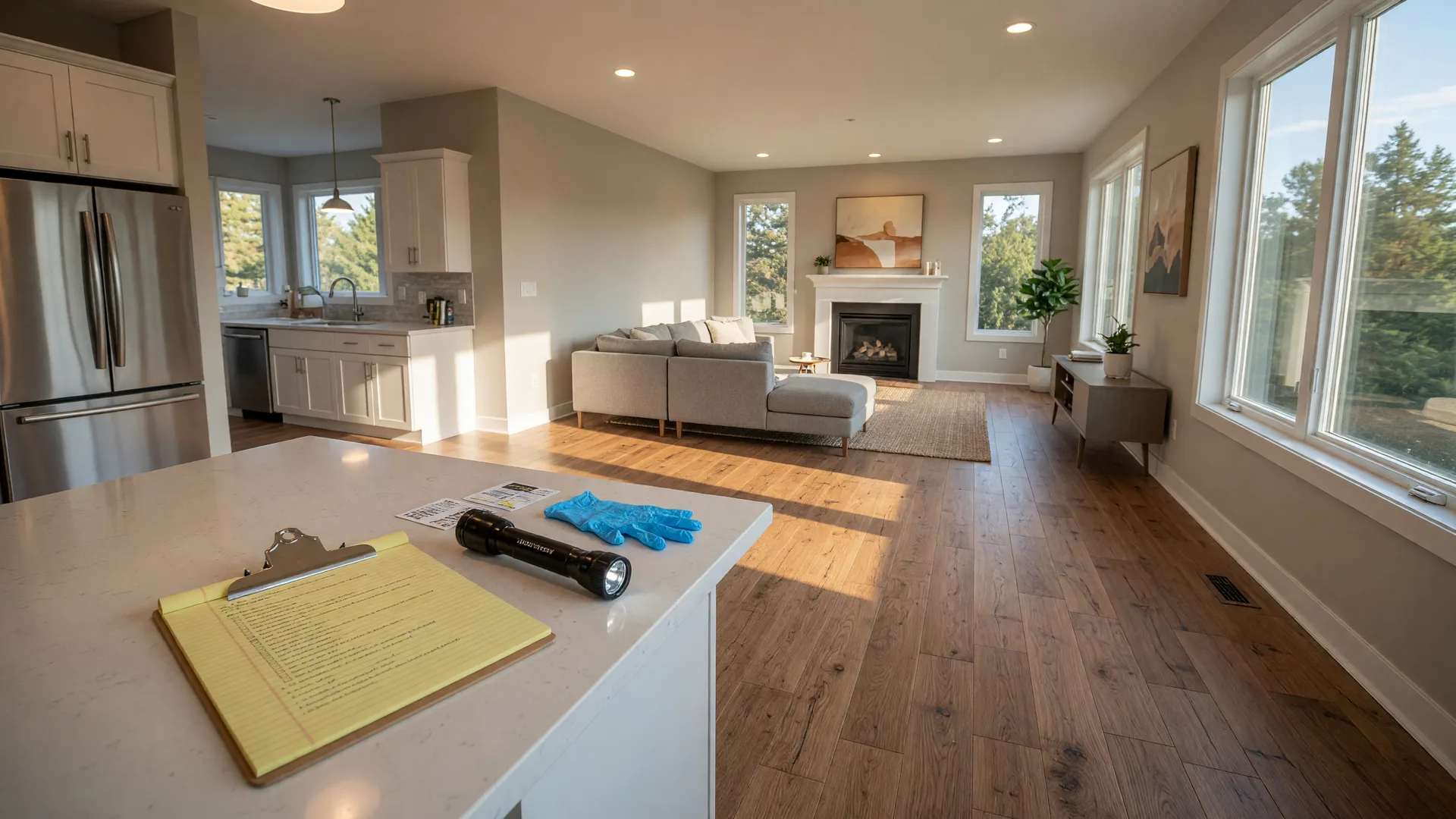
If you are buying a home in Aiken SC, North Augusta SC, or Augusta GA, the home inspection is one of the most important steps between signing a contract and getting your keys. It is the moment when a trained professional takes a close, objective look at the property and tells you what is working, what needs attention, and what could become a costly problem down the road.
After more than 20 years of guiding buyers through closings across the CSRA, I have seen inspections save buyers from bad purchases and give smart buyers the confidence to move forward. Either way, knowledge is power. Here is what you need to know about home inspections in this area so you can make the best decision for your situation.
Why a Home Inspection Matters in the CSRA
The CSRA has a wide range of housing stock. You might be looking at a historic home in downtown Aiken, a newer build in North Augusta, a ranch-style house in Augusta, or a custom property on several acres outside city limits. Each type of home comes with its own set of potential issues, and a general home inspection is designed to catch the ones that matter most.
In this region, inspectors frequently encounter issues related to age, climate, and soil conditions. Older homes may have outdated electrical panels, aging plumbing, or foundation movement caused by the area's expansive clay soils. Newer homes are not immune either — even well-built new construction can have installation defects, material damage from the build process, or code compliance gaps that only a trained eye will catch.
A home inspection does not guarantee that nothing will ever go wrong with the property. What it does is give you a clear picture of the home's current condition so you can negotiate repairs, plan for future maintenance, or walk away if the problems are more than you are prepared to handle.
What a Standard Home Inspection Covers
A licensed home inspector in South Carolina or Georgia will evaluate the major visible and accessible systems of the home. While every inspection is slightly different based on the property, here is what a standard inspection typically includes:
Major systems covered during inspection:
- Roof and attic — condition of shingles or roofing material, flashing, ventilation, signs of leaks or water damage
- Exterior and foundation — grading, drainage, siding condition, visible foundation cracks, and structural integrity
- Electrical system — panel capacity, wiring condition, outlets, GFCI protection, and visible code concerns
- Plumbing — supply and drain lines, water heater condition, visible leaks, water pressure, and fixture function
- HVAC system — heating and cooling equipment age, condition, operation, and ductwork
- Interior — walls, ceilings, floors, windows, doors, stairs, and general safety features
- Garage and structure — door function, fire separation, structural components, and storage areas
It is important to understand what a standard inspection does not cover. Inspectors generally do not open walls, move heavy furniture, or evaluate specialized systems like septic tanks, wells, pest damage, or radon levels. If the property has any of these features — which is common on larger lots and rural properties in Aiken County — you may want to schedule additional specialized inspections.
CSRA-Specific Issues to Watch For
Living and working in the CSRA for more than two decades, I have seen certain issues come up again and again during home inspections. Knowing what to expect gives you an advantage when evaluating a property.
Foundation and Soil Movement
The CSRA sits on soil that expands when wet and shrinks when dry. This natural movement can cause foundation cracks, uneven floors, and doors that do not close properly. It does not always mean the home has a serious structural problem, but it does mean you should pay close attention to what the inspector finds at the foundation level. In areas like parts of North Augusta and Augusta, where clay content in the soil is high, foundation inspections deserve extra attention.
Moisture and Humidity
The warm, humid climate in the CSRA creates conditions that can lead to moisture intrusion, mold growth, and wood rot — especially in crawl spaces, attics, and areas with poor ventilation. An inspector will look for signs of moisture damage, inadequate ventilation, and conditions that could encourage mold. If the home has a crawl space, make sure the inspector evaluates it thoroughly, including any vapor barriers and moisture levels.
Older Electrical and Plumbing
Many of the homes in Aiken's historic districts and older Augusta neighborhoods still have original electrical panels, knob-and-tube wiring, or galvanized steel plumbing. These systems may function fine day to day, but they can create safety concerns or insurance challenges. An inspector will flag these items, and it is worth understanding the cost of upgrading before you commit to the purchase.
Termites and Wood-Destroying Insects
South Carolina and Georgia are both high-risk areas for termite activity. A standard home inspection may identify visible signs of termite damage, but a separate wood-destroying insect (WDI) report is often required by lenders and is strongly recommended for all buyers. In the CSRA, this is not optional — it is essential.
What to Do During Your Home Inspection
The inspection is your chance to learn about the home directly from the professional who is evaluating it. Here are a few things I recommend every buyer do:
Show Up in Person
Walk through the property with the inspector. Seeing issues firsthand is far more informative than reading about them in a report later. Ask questions as you go.
Take Notes and Photos
Bring a notebook or use your phone to document what the inspector points out. This helps you remember details later when you are reviewing the report and deciding on next steps.
Ask About Severity
Not every finding is equally important. Ask the inspector to separate safety concerns from cosmetic issues and maintenance items so you can prioritize what matters most.
Plan for 2 to 3 Hours
A thorough inspection on a typical CSRA home takes two to three hours. Do not rush it. The more time the inspector spends, the more likely they are to find items that matter.
What Happens After the Inspection
Once the inspection is complete, you will receive a detailed written report. This report documents the inspector's findings, usually with photos, and categorizes items by severity. It can feel overwhelming at first, but that is where having an experienced agent makes a real difference.
Together, we will review the report, separate the critical items from routine maintenance, and decide what to negotiate. Depending on the findings, your options typically include:
- Requesting repairs — asking the seller to fix specific items before closing
- Negotiating a price reduction — adjusting the purchase price to reflect the cost of needed repairs
- Asking for closing cost credits — having the seller contribute toward your closing costs to offset repair expenses
- Walking away — using your inspection contingency to exit the contract if the issues are too significant
The right move depends on the severity of the findings, your budget, and your willingness to take on repairs. My job is to help you make a clear-headed decision based on the facts, not to push you in any direction.
Do You Need an Inspection on New Construction?
This is a question I hear frequently from buyers purchasing new homes in growing communities across North Augusta, Augusta, and Evans. The short answer is yes. New construction is not automatically defect-free. Builders manage multiple projects simultaneously, subcontractor quality varies, and materials are sometimes damaged during the construction process.
A new construction inspection — ideally done before your final walkthrough with the builder — can catch issues like improperly installed systems, incomplete work, cosmetic defects, and items that do not meet local building codes. It gives you leverage to have the builder correct problems before you close and move in.
Linda's Local Insight
Linda Limehouse
AI-Certified Realtor® · Meybohm Real Estate
After more than 20 years of working with buyers across Aiken, North Augusta, and Augusta, I can tell you that the inspection is where good deals become great decisions — and where risky purchases get caught before it is too late. I have seen buyers skip inspections to stay competitive, only to face unexpected repairs that cost far more than the inspection fee would have.
One thing I always tell my buyers in the CSRA: pay special attention to the crawl space, the foundation, and the HVAC system. Our clay soils shift with the seasons, our humidity tests moisture barriers, and our hot summers push HVAC systems hard. These three areas come up more than any others in local inspections, and understanding them gives you a real advantage when negotiating.
I also recommend buyers consider scheduling a termite inspection even if one is not required by your lender. In this part of the Southeast, termite activity is a reality, and a separate wood-destroying insect report costs relatively little compared to the damage termites can cause over time. I connect my buyers with trusted local inspectors who know what to look for in CSRA homes, and I am always present at the inspection to make sure nothing gets overlooked.
Key Takeaways for Buyers
- Never skip the inspection. Whether the home is brand new or 50 years old, an inspection is your best protection against unexpected repair costs after closing.
- Attend the inspection in person. Walking through with the inspector gives you context that a written report alone cannot provide.
- Know the CSRA-specific risks. Clay soil movement, humidity-related moisture issues, older electrical and plumbing, and termite activity are common in this region.
- Use the report as a negotiation tool. The inspection findings give you leverage to request repairs, credits, or price adjustments before you close.
- Work with an experienced local agent. Someone who knows the area can help you interpret the findings, understand what is normal for the market, and negotiate effectively.
Frequently Asked Questions
How much does a home inspection cost in Aiken SC or Augusta GA?
Home inspection costs in the CSRA typically depend on the size and age of the home. Most buyers can expect to pay a reasonable fee for a licensed inspector who covers the major structural, electrical, plumbing, and HVAC systems. I help my clients connect with trusted local inspectors who provide thorough reports at fair prices.
Should I attend the home inspection in person?
Absolutely. Being present during the inspection gives you a chance to ask questions, see issues firsthand, and get a better understanding of the home you are about to buy. I recommend every buyer attend their inspection and walk through the property with the inspector.
What happens if the inspection reveals major problems?
If the inspection uncovers significant issues, you have several options. You can negotiate repairs with the seller, request a price reduction, ask for closing cost credits, or in some cases, walk away from the deal. The inspection contingency in your contract protects you, and I will help you decide the best path forward based on what is found.
Can I waive the home inspection to make my offer more competitive?
Waiving the inspection can make your offer stand out in a competitive market, but it also means accepting the full risk of any hidden defects. In the CSRA, where homes range from historic properties to new construction, I generally advise buyers to keep the inspection contingency. The small cost of an inspection can save you tens of thousands in unexpected repairs.
Do newer homes in North Augusta SC or Augusta GA still need inspections?
Yes. Even brand-new construction can have issues — from improperly installed systems to code violations or materials that were damaged during the build process. New construction inspections have become increasingly important as builders manage high volumes and supply chain challenges.
Continue Reading
Buyer's Guide
Buying a Home in the CSRA
Everything buyers need to know about purchasing a home in Aiken, North Augusta, and Augusta.
First-Time Buyers
First-Time Home Buyer Guide
A complete guide for first-time buyers from pre-approval to closing day.
Sellers
How to Sell Your Home Faster in the CSRA
Pricing, preparation, and marketing tips for sellers in the CSRA.
FAQ
Frequently Asked Questions
Get answers to the most common real estate questions in the CSRA.
Ready to Buy a Home in the CSRA?
I help buyers across Aiken SC, North Augusta SC, and Augusta GA navigate every step of the home buying process — from the first showing to the final walkthrough. Let's make sure you get the right home at the right price, with no surprises after closing.
Linda Limehouse
First AI-Certified Realtor® | Meybohm Real Estate
SC License: 67440 · GA License: 323267