

Linda Limehouse
AI-Certified Realtor · Meybohm Real Estate
Aiken SC · North Augusta SC · Augusta GA
Investment Property Cash Flow 101: What Augusta Rental Investors Should Know
Augusta GA CSRA Investors Rental Properties Cash Flow Fort Eisenhower Real Estate Investing
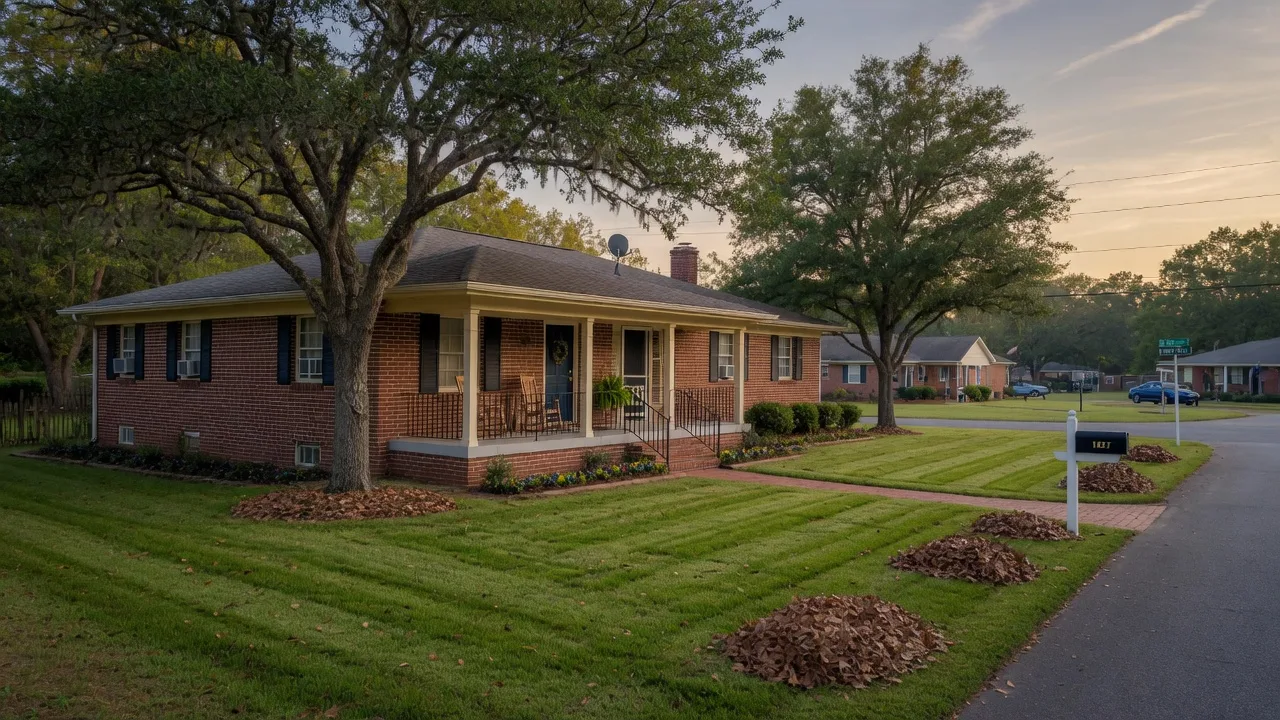
Augusta has a lot going for it as a rental market: a steady stream of medical professionals, military families tied to Fort Eisenhower, and a cost of living that keeps demand strong. But before you buy a rental, you need to understand the numbers. Cash flow is the heart of rental investing. Here is how it works.
This guide walks through what cash flow is, the income and expense sides of the equation, how to estimate it conservatively, and how Augusta's market fits into the picture. Every property is different, so treat this as a starting point and run your own numbers with current, local data before you commit to anything.
Key Takeaways
- Cash flow is rent collected minus all expenses. Positive cash flow means the property pays for itself and puts money in your pocket.
- A realistic rent estimate is the foundation of the whole analysis, and vacancy is an expense you have to budget for.
- Use conservative numbers and stress-test with higher vacancy and repair assumptions. It is better to be pleasantly surprised than caught short.
- Augusta's rental demand is supported by major employers, medical centers, and Fort Eisenhower, but each property still deserves its own analysis.
- Cash flow and appreciation are different. A plan that combines reasonable cash flow with long-term ownership often works best.
Table of Contents
What Is Rental Cash Flow?
Cash flow is what is left after all the income and expenses of a rental property are accounted for. Simply put: rent collected minus all expenses equals cash flow.
Positive cash flow means the property pays for itself and puts money in your pocket each month. Negative cash flow means the property costs you money each month, even before you account for big one-time repairs.
The goal for most investors is consistent positive cash flow. That consistency is what makes a rental a real investment rather than a hope that the property will be worth more someday. It is also what keeps the process sustainable month after month.
The Income Side
The main income for a rental property is the monthly rent you charge. That sounds simple, but the number you use has to be realistic, not optimistic.
Research comparable rents in the neighborhood before setting your rent. Look at homes of similar size, condition, and location that actually rented recently, not just what is listed. A rent estimate that is too high sets you up for longer vacancies; one that is too low leaves money on the table.
You also have to factor in vacancy. A property that sits empty earns nothing. Expect some months with no rent while a tenant turns over, and budget for that reality in your analysis.
A realistic rent estimate is the foundation of the whole analysis. Everything else in the cash flow equation builds on that one number, so it is worth the time to get it right.
The Expense Side: Don't Forget Anything
The expense side is where many first-time investors underestimate the true cost of ownership. Here is what you are really paying for each month:
- The mortgage payment (principal and interest) is typically the biggest expense.
- Property taxes and homeowners insurance are ongoing costs, and they can change over time.
- Property management fees apply if you do not self-manage, and they take a percentage of the rent.
- Maintenance and repairs are inevitable, so budget for them every month even when nothing is broken yet.
- Utilities, HOA fees, and landscaping can add up, especially if any of them are your responsibility as the owner.
- Vacancy is an expense too. Most investors budget a percentage of rent for it, because empty months happen.
If any of these are left out of the spreadsheet, the property can look more profitable than it really is. Writing them all down, every month, is what makes the estimate honest.
How to Estimate Cash Flow
Estimating cash flow follows a straightforward process:
- Start with a realistic expected rent based on comparable properties in the neighborhood.
- Subtract every monthly expense, including a vacancy allowance.
- What is left is your projected monthly cash flow.
The temptation is to use optimistic numbers: a higher rent, a lower vacancy rate, fewer repairs. Resist it. Use conservative numbers. It is better to be pleasantly surprised than caught short when a big repair shows up or a unit sits empty longer than expected.
Many investors stress-test their analysis with higher vacancy and repair assumptions to see how the property holds up in a tougher scenario. If a property still cash flows under those assumptions, that is a much more confident place to be.
The Augusta Market Advantage
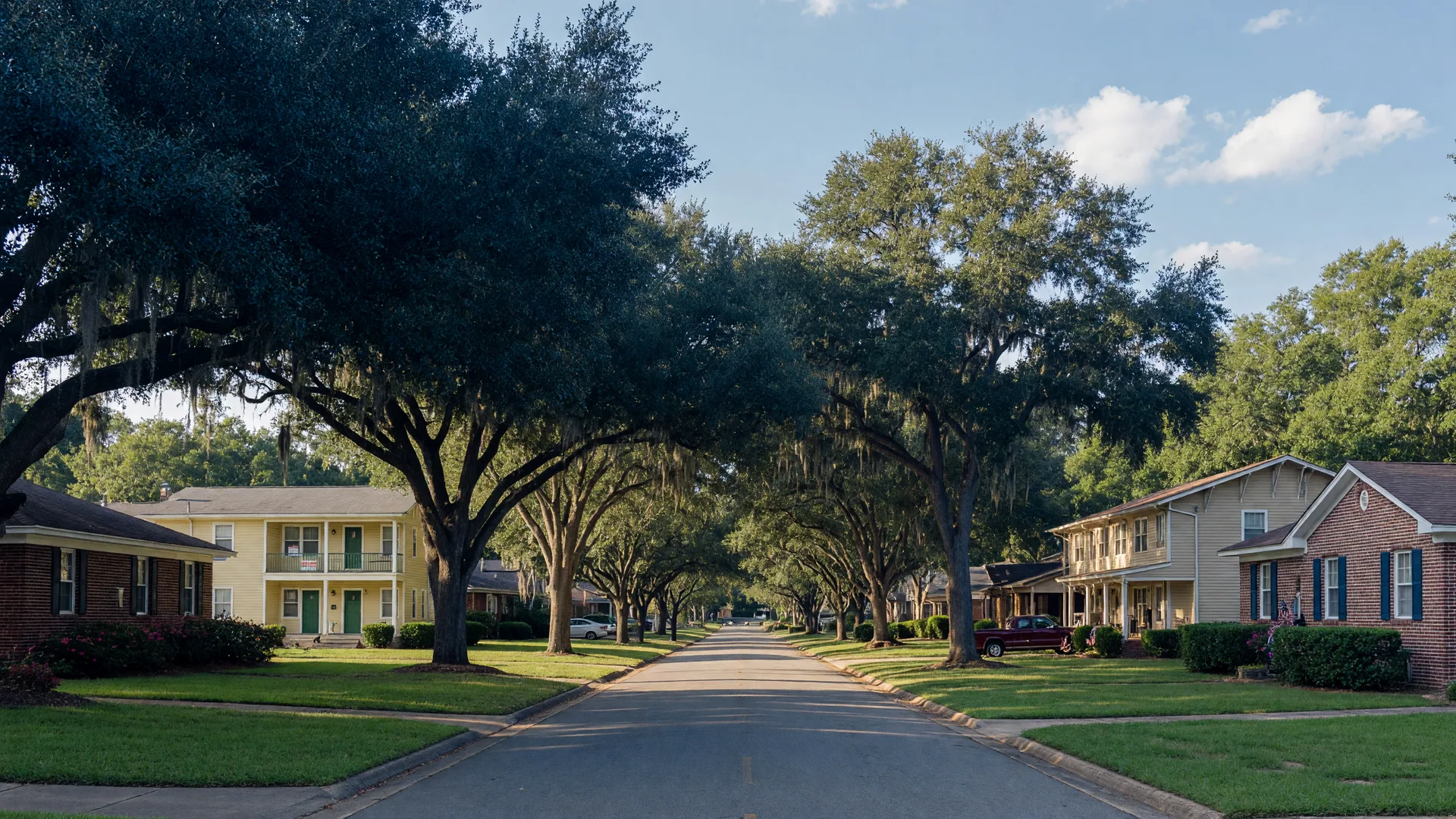
Augusta's rental demand is supported by major employers, medical centers, and Fort Eisenhower. Medical professionals, military families, and relocating workers all create a steady pool of renters, which is one of the reasons the area has long been attractive to investors.
Rental prices in the area are generally more attainable than in larger metros. That combination of steady demand and a more accessible entry point can be attractive for new investors looking to build a portfolio.
That said, as always, analyze each specific property. Location, condition, and neighborhood matter more than averages. A home on a strong street with good schools and easy access to employers is very different from a similar home in a weaker spot.
Talk to local property managers to hear what rents and vacancy look like in practice. They are on the ground every day and can give you a much more realistic picture than a listing site can.
Cash Flow vs. Appreciation
Cash flow is monthly money in your pocket. Appreciation is the home gaining value over time. They are two very different ways a rental can make you money, and not every property delivers both.
Some properties offer one more than the other. A property with modest appreciation but steady cash flow can still be a strong investment, especially one that pays for itself while you hold it.
Know which one you are investing for, and do not rely on appreciation you cannot control. Market conditions, interest rates, and buyer demand all move on their own schedule. Cash flow, by contrast, is something you can analyze and manage.
The best plan often combines reasonable cash flow with long-term ownership. If the rent covers the costs from day one, then whatever appreciation happens over time is a bonus on top of a solid foundation.
Cash Flow Is About the Whole Picture
A single month does not tell the whole story. Repairs and vacancies come in waves, so one good month or one bad month is not the real picture. What matters is whether the property trends in the right direction over time.
Keep a reserve fund for the big-ticket items: roof, HVAC, appliances. When one of those fails, the reserve is what keeps the property from turning negative and keeps your stress down.
Property management can reduce headaches, but it takes a cut of the rent. Run the numbers both ways, with and without management, so you know what each approach really costs you.
Financing terms also dramatically affect cash flow. Rate, down payment, and loan type all change your monthly payment, and therefore your cash flow. Two buyers can look at the same house and come away with very different numbers.
Run the numbers with your lender and a local agent before you commit. A few conversations up front can save you from an unpleasant surprise after closing.
The Bottom Line
Cash flow analysis is what separates a real investment from an expensive hobby. Without it, you are guessing. With it, you know whether the property works on paper before you ever sign a contract.
Be honest with the numbers and the area before you buy. Every property is different, and market conditions change, so verify rents, taxes, insurance, and vacancy with current, local data before making a decision.
Augusta's steady demand makes it a market worth analyzing carefully. The fundamentals are real, but the work happens property by property.
With realistic numbers and good management, a rental can build wealth over time. It does not happen overnight, and it does not happen without doing the math, but the math is very much learnable.
Looking for an Augusta rental that actually cash flows?
Fill out the form below and I'll help you find and evaluate investment properties in the CSRA. I can also connect you with local property managers, lenders, and inspectors who understand the investment market.
Linda Limehouse
First AI-Certified Realtor® | Meybohm Real Estate
Licensed in SC & GA
Serving Aiken, North Augusta, Augusta, and the greater CSRA.
Reviewed by Linda Limehouse, REALTOR®. Licensed in South Carolina and Georgia. More than 20 years of CSRA real estate experience.
Frequently Asked Questions
What is rental property cash flow?
Cash flow is what is left after all the income and expenses of a rental property are accounted for. Simply put: rent collected minus all expenses equals cash flow. Positive cash flow means the property pays for itself and puts money in your pocket each month. Negative cash flow means the property costs you money each month.
Is Augusta, GA a good market for rental property investors?
Augusta has strong rental demand drivers, including a steady stream of medical professionals, military families tied to Fort Eisenhower, and a cost of living that keeps demand strong. Rental prices in the area are generally more attainable than in larger metro areas, which can be attractive for new investors. As with any market, the numbers vary property by property, so it is important to analyze each specific property with current, local data.
How much should I budget for vacancy and repairs on a rental?
Most investors budget a percentage of rent for vacancy and set money aside every month for maintenance and repairs. The right number depends on the property, its age, its condition, and the neighborhood. A good starting point is to use conservative assumptions, then stress-test your numbers with higher vacancy and repair scenarios so you are pleasantly surprised rather than caught short.
What is the difference between cash flow and appreciation?
Cash flow is the monthly money left after expenses, while appreciation is the home gaining value over time. Some properties offer more of one than the other. Since appreciation is something you cannot control, many investors prefer a plan that combines reasonable cash flow with long-term ownership. Run your numbers with a lender and a local agent before you commit.