

Linda Limehouse
AI-certified Realtor® · Meybohm Real Estate
Aiken SC · North Augusta SC · Augusta GA
SC vs. GA Closing Costs: What CSRA Homebuyers and Sellers Should Expect
Buyers Sellers Aiken SC North Augusta SC Augusta GA CSRA Closing Costs First-Time Buyers Relocation
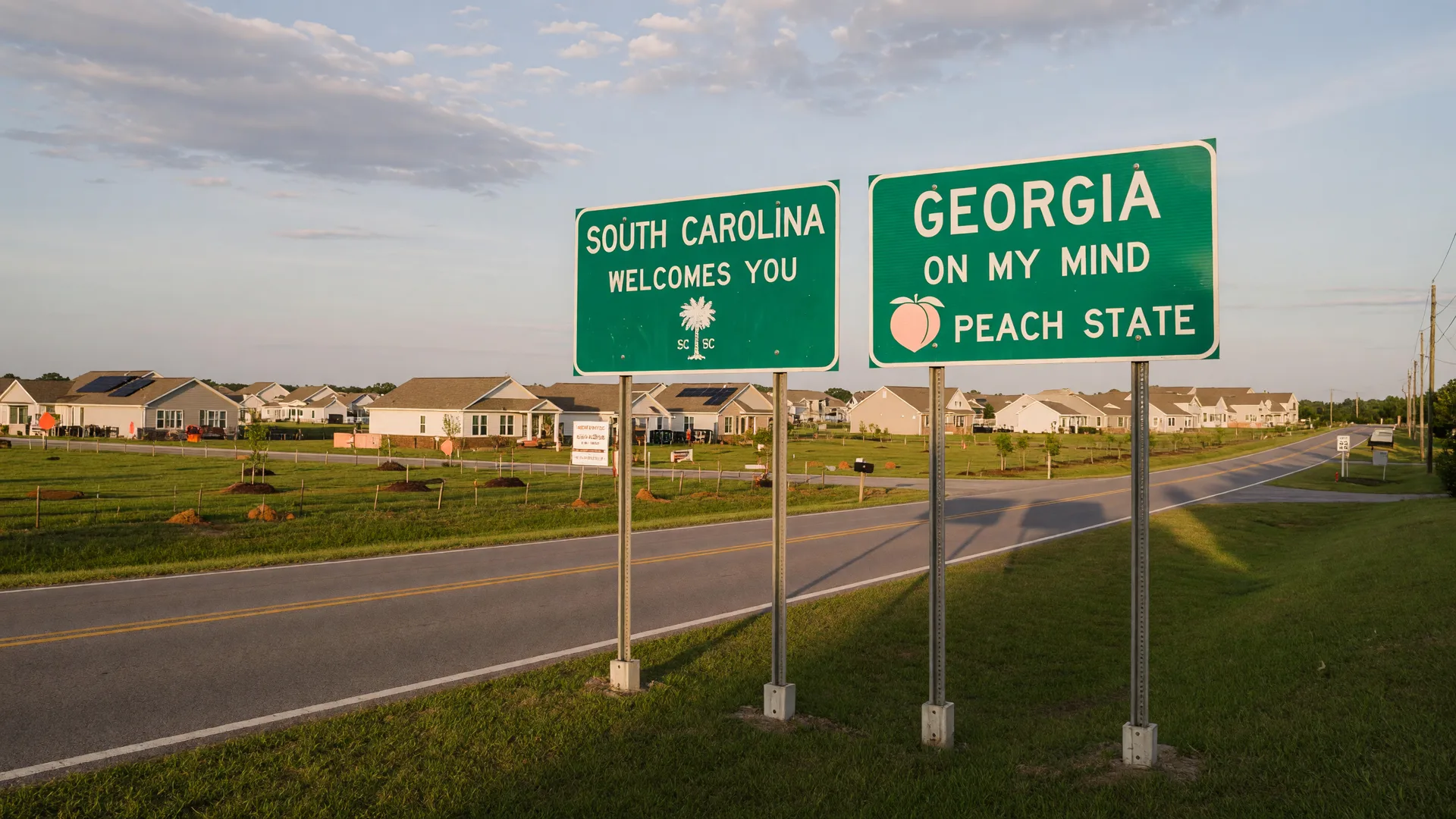
If you are buying or selling a home in the CSRA, you have probably noticed the region straddles two states: South Carolina and Georgia. Closing costs differ between the two, and understanding those differences can help you budget accurately and avoid surprises at the closing table.
Whether you are buying a first home in North Augusta, selling a property in Aiken, or relocating to Augusta, the fees, taxes, and processes on each side of the river are not quite the same. The good news is that none of these differences are hard to navigate once you know what to expect.
This guide walks through the key differences between closing costs in South Carolina and Georgia. I will cover typical fees, who pays what, state-specific requirements, and practical questions to ask your lender and attorney. Let's break it down so you can go into your closing informed and confident.
Key Takeaways
- Closing costs generally range from 2-5% of the purchase price, but the exact amount varies by loan type, purchase price, and location.
- Both South Carolina and Georgia typically require an attorney to oversee closings, which adds legal fees.
- South Carolina requires a CL-100 termite inspection for most financed purchases, while Georgia does not have the same statewide requirement.
- Property tax structures differ significantly between the two states, which affects prepaid amounts at closing.
- Your Loan Estimate, provided by your lender, is the best tool for understanding your specific closing costs.
What This Guide Covers
What Are Closing Costs?
Closing costs are the fees and expenses paid to finalize a real estate transaction. They are separate from your down payment and cover the services required to transfer ownership from the seller to the buyer. These costs include lender origination and underwriting fees, title search and insurance, attorney fees, government recording fees, property taxes, prepaid homeowners insurance, and prepaid interest.
Buyers and sellers each pay different sets of costs. Buyers typically pay for lender-related fees, title insurance, and prepaid items. Sellers typically pay real estate commissions, transfer taxes, and in some areas, the owner's title insurance policy. These allocations are negotiable and can be adjusted in the purchase agreement.
Costs vary based on the purchase price, the type of loan you are using, and the location of the property. A different county or a different lender can change your closing costs significantly, which is why getting a personalized estimate is essential.
Typical Closing Cost Ranges
Buyer closing costs in many areas run roughly 2-5% of the purchase price. South Carolina and Georgia are both generally considered moderate compared to other states, meaning you are not likely to see the highest or lowest fees in the country.
Actual costs depend on your lender, your title company, and the specific transaction. The same home in the same neighborhood could have different closing costs depending on whether you use a local lender or a national online lender, and whether you shop for title services.
The best way to know your numbers is to request a Loan Estimate from your lender as soon as you apply for a mortgage. This standard document itemizes every expected fee and gives you a clear picture of what you will need at closing.
How South Carolina and Georgia Differ
Both South Carolina and Georgia require an attorney to oversee the closing process, which adds legal fees to your closing costs in either state. However, the structure of those fees and the additional requirements can vary.
South Carolina
- Attorneys handle closings; attorney fees are a standard part of your costs.
- A CL-100 termite inspection is typically required for financed purchases.
- Property taxes are assessed at 4% of fair market value for owner-occupied primary residences (qualified homeowners).
- Recording fees and deed stamps are set by the county.
- The first $50,000 of fair market value is exempt from most property taxes for owner-occupied homes.
Georgia
- Closings are often handled by title companies or attorneys; both are common.
- No statewide termite inspection requirement, though some lenders may still require one.
- Property assessed at 40% of fair market value, then multiplied by the local millage rate.
- Transfer taxes, title fees, and recording fees differ from South Carolina's structure.
- Homestead exemptions vary by county and can reduce your assessed value significantly.
Each state has its own recording fees and documentary stamp taxes, which can vary by county. In South Carolina, the deed recording fee and mortgage recording fee are set at the state and county level. In Georgia, the transfer tax is calculated based on the purchase price, and recording fees vary by county as well.
One notable difference: South Carolina requires a CL-100 termite inspection on most financed residential transactions. This inspection typically costs a few hundred dollars and is usually paid for by the seller, but it is an added step that does not have a direct counterpart in Georgia's standard closing process.
Who Pays What
In many transactions, the buyer and seller each pay specific costs, but this is negotiable and can be adjusted in the purchase agreement. Here is how costs typically break down in the CSRA:
| Buyer Typically Pays | Seller Typically Pays |
|---|---|
| Loan origination and underwriting fees | Real estate commission (buyer's and seller's agent) |
| Appraisal fee | Transfer taxes (in many areas) |
| Credit report fee | Owner's title insurance policy (in some areas, including parts of SC) |
| Title search and title insurance (lender's policy) | Recording fees for deed (varies by custom in each state) |
| Prepaid items: property taxes, homeowners insurance, prepaid interest | CL-100 termite inspection (common practice in SC) |
| Attorney fees (if buyer pays separately) | HOA documents and transfer fees (if applicable) |
Customary practices can vary between South Carolina and Georgia, and even between counties within the same state. In some South Carolina closings, the seller customarily pays for the owner's title insurance policy. In Georgia, that cost may be split or handled differently. Your agent and closing attorney can walk you through what is typical in your specific county.
Remember that nearly every cost on the closing statement is negotiable. If you are a buyer and want the seller to contribute toward your closing costs, that can be written into the offer. Sellers may agree to concessions as part of the negotiation, especially if it helps move the transaction forward.
Property Taxes: A Key Difference
South Carolina and Georgia have different property tax structures, and this affects what buyers prepay at closing.
In South Carolina, qualified owner-occupied primary residences are assessed at 4% of the fair market value, with the first $50,000 of value exempt from most property taxes. Investment properties and second homes are assessed at 6%. Buyers should verify their eligibility for the 4% rate and apply through the county auditor's office after closing.
In Georgia, residential property is assessed at 40% of fair market value, then multiplied by the local millage rate. Georgia offers homestead exemptions that can significantly reduce the assessed value. Each county sets its own exemption amounts, and applying is a separate step after closing.
At closing, buyers typically prepay a portion of property taxes into an escrow account held by the lender. The exact amount depends on when property taxes are due in your county and how much your lender requires for reserves. In the CSRA, Aiken County, Richmond County, and Columbia County each have their own tax calendars and rates.
This is an area where working with a local agent who knows both states matters. I help buyers estimate their property tax escrow before they make an offer so there are no surprises on their monthly payment.
Know the Local Differences
One of the most important things to understand about the CSRA is that you can drive ten minutes and cross a state line. A home in Aiken or North Augusta follows South Carolina rules. A home in Augusta follows Georgia rules. Even within the same metro area, the two states handle title work, taxes, and preparation steps differently.
In South Carolina, the closing attorney handles the entire settlement process and is responsible for preparing the deed, calculating taxes, and recording the transaction with the county. The attorney represents the lender and coordinates with both parties to ensure a clean closing.
In Georgia, the closing process may involve a title company, an attorney, or both. The title company typically handles the title search and settlement services, while an attorney may review documents and provide legal guidance. The structure varies by transaction and by county.
The bottom line: work with local professionals who regularly close in your specific state. A lender, agent, or attorney who knows the CSRA market will have experience with both systems and can help you navigate the differences.
How to Budget for Closing Costs
Planning ahead is the best way to avoid stress on closing day. Here are practical steps every buyer should take:
- Ask your lender for a Loan Estimate early in the process. This document lists your estimated closing costs and is the single most useful tool for budgeting.
- Plan for costs on top of your down payment. Your closing costs are separate from your down payment, so you need to bring both on closing day.
- Compare title companies and ask about fees. Some costs can be negotiated or reduced by shopping for title services. Your agent can recommend reputable providers in your area.
- Look into first-time buyer programs. Both South Carolina and Georgia offer down payment and closing cost assistance programs for qualified buyers. Your lender can help you determine if you are eligible.
- Keep extra funds available for unexpected items. A small buffer can make the difference between a smooth closing and a scramble.
Questions to Ask Your Lender and Attorney
Getting answers to the right questions early in the process will save you time, money, and stress. Here are the questions I recommend every buyer ask:
- What are my estimated closing costs on this loan? Can I see a sample Loan Estimate for my price range?
- Which fees are fixed and which can vary before closing? Understanding which numbers are estimates versus locked-in costs helps you plan.
- Are there any state-specific requirements I should plan for? For SC buyers, that includes the CL-100 termite inspection. For GA buyers, understanding the county recording fee structure.
- How much will I need in certified funds at closing? Most closings require a cashier's check or wire transfer, and the amount must be exact.
- What is the timeline for the closing process in this state? Each state and county has its own timeline for title work, document preparation, and recording.
Your lender and closing attorney are there to answer these questions. If something is unclear, ask until you understand. A good professional will never rush you through this part of the process.
Linda's Local Insight
Linda Limehouse
AI-Certified Realtor® · Meybohm Real Estate
In over 20 years of helping clients buy and sell homes across the CSRA, I have seen the same surprised look when buyers from one side of the river purchase on the other side for the first time. The differences between a South Carolina closing and a Georgia closing are not huge, but they are real, and they can affect both your timeline and your checkbook.
The question I hear most often is: "Do I need an attorney?" In both South Carolina and Georgia, the answer is generally yes because both states require an attorney to oversee the closing. The difference is how involved the attorney is. In South Carolina, the attorney typically manages the entire closing from start to finish. In Georgia, the title company may handle the settlement, with the attorney providing legal review.
The CL-100 termite inspection in South Carolina catches many out-of-state buyers off guard. It is a small cost but an important step, and your purchase agreement should clearly state who pays for it. In Georgia, most lenders still require a wood-destroying organism inspection, but it is not the same standardized form.
Whether you are buying in Aiken, selling in North Augusta, or relocating to Augusta, I can help you understand exactly what to expect at closing. That is what local experience looks like. I know the players, the forms, and the timelines on both sides of the river.
Closing Thoughts
Closing costs are a normal part of any home purchase in the CSRA, and knowing how they work in your state makes the process smoother. Whether you are buying a home on the South Carolina side or the Georgia side, the key is planning ahead and asking the right questions early.
Your Loan Estimate is your best tool for understanding your specific costs. Your agent, lender, and closing attorney are your best resources for navigating the details. And having someone on your side who has closed transactions in both states makes all the difference.
Planning a CSRA Home Purchase?
Fill out the form below and I will help you understand the process on your side of the river. Whether you are buying in South Carolina or Georgia, I can walk you through what to expect and help you budget with confidence.
Linda Limehouse
First AI-Certified Realtor® | Meybohm Real Estate
SC License: 67440 · GA License: 323267
Reviewed by Linda Limehouse, REALTOR® — Licensed in South Carolina and Georgia — More than 20 years of CSRA real estate experience