

Linda Limehouse
AI-Certified Realtor · Meybohm Real Estate
Aiken SC · North Augusta SC · Augusta GA
Staging Your Home for Sale in the CSRA: Tips That Make a Difference
Aiken SC North Augusta SC Augusta GA Sellers Staging Home Preparation CSRA
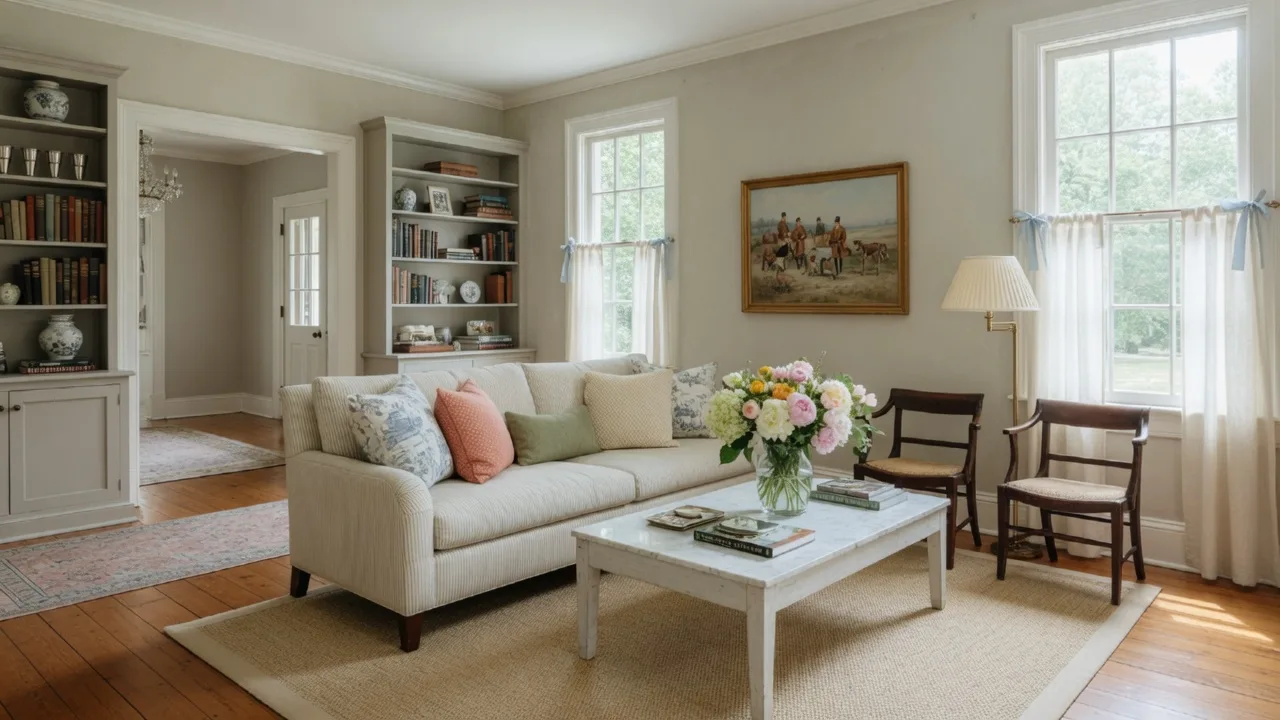
Selling your home is a big decision, and how you present it to buyers can make a real difference in how quickly it sells and what price it commands. In the CSRA — whether your home is in Aiken SC, North Augusta SC, or Augusta GA — thoughtful staging helps buyers see themselves living in your space. It shifts their focus from the house as a structure to the home as a lifestyle.
I have guided sellers through the process for more than 20 years, and I have seen firsthand how a well-prepared home stands out. Staging does not have to mean spending a lot of money or making major changes. It means presenting your home in its best light so buyers can focus on its strengths. Let me walk you through the staging strategies that work best in our local market.
Key Takeaways
- Staged homes in the CSRA typically sell faster than unstaged or vacant homes, especially in competitive price ranges.
- Focus your staging efforts on the living room, primary bedroom, and kitchen — the three rooms buyers care about most.
- Curb appeal matters just as much as interior staging; first impressions begin at the front walkway.
- Decluttering, depersonalizing, and deep cleaning are low-cost steps that deliver high-impact results.
- Minor cosmetic repairs before listing signal to buyers that the home has been cared for.
Table of Contents
Why Staging Matters in Today's CSRA Market
Buyers today start their search online. That means the first impression of your home is often a photograph on a phone or laptop screen. A well-staged home photographs better, draws more clicks, and keeps buyers scrolling through your listing instead of moving on to the next one.
In the CSRA, where buyers come from a range of backgrounds — relocating professionals, military families connected to Fort Eisenhower, equestrian buyers looking at Aiken, and locals upgrading or downsizing — staging helps your home appeal to the widest possible audience. It is not about making your home look like a showroom. It is about helping people picture their own lives in your space.
Studies consistently show that staged homes sell faster than non-staged homes. The reason is simple: when a buyer can see the potential of a space without being distracted by clutter, bold decor, or empty rooms, they connect emotionally. That emotional connection is what drives offers.
Start with Decluttering and Depersonalizing
The most cost-effective staging step is also the most important: removing excess belongings and personal items. Buyers need to see your home's square footage and flow, not your family photos, collectibles, or crowded countertops. When a home is decluttered, rooms feel larger, cleaner, and more inviting.
Here are some practical ways to get started:
- Clear countertops in the kitchen and bathrooms. Keep only a few staged items — a vase of flowers, a cutting board, a neat set of towels.
- Remove personal photos and highly specific decor. You want buyers to imagine their own family in the home, not feel like they are visiting yours.
- Thin out furniture to make rooms feel more spacious. You do not need to remove everything, but less is often more.
- Organize closets and storage areas. Buyers look in closets, and an organized closet signals that the home has ample storage.
If the idea of decluttering your entire home feels overwhelming, start with the rooms buyers see first — the living room, kitchen, and primary bedroom. Even partial decluttering in these spaces makes a noticeable difference in how your home shows.
The Three Rooms That Matter Most
While it is ideal to have the whole home looking its best, three rooms carry disproportionate weight in a buyer's decision: the living room, the primary bedroom, and the kitchen.
The living room is where buyers picture themselves relaxing and entertaining. Arrange furniture to create a natural conversation area. Use neutral-toned throw pillows and a soft blanket to add warmth. If the room feels dark, consider adding a floor lamp or two to brighten the space.
The primary bedroom should feel like a retreat. Neutral bedding, minimal furniture, and soft lighting convey calm and comfort. Remove any exercise equipment, stacks of clothes, or clutter that distracts from the relaxing feel buyers want in a master suite.
The kitchen is often the room that sells the home. Clear the counters, clean the backsplash, and make sure all appliances sparkle. A bowl of fresh fruit, a clean tea towel, and a small vase of flowers add life without looking staged. For homes in luxury price ranges, consider displaying a few high-end cooking items like a nice cutting board or ceramic canisters.
If you have a home office, a dining room, or an outdoor living space, those can also be valuable to stage. In the CSRA, where many homes offer inviting porches, patios, or decks, showing how those spaces can be used helps buyers see the full potential of the property.
Curb Appeal: First Impressions Start Outside
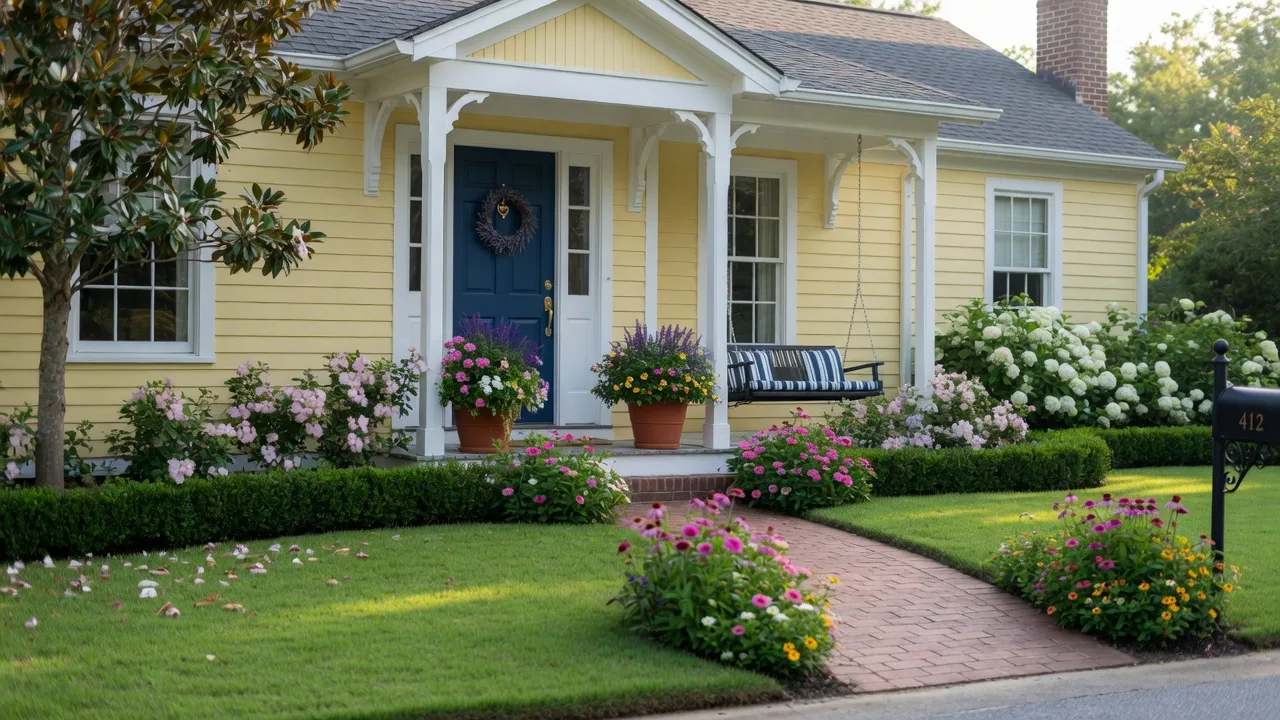
In the CSRA, where neighborhoods often feature mature trees, spacious lots, and Southern-style architecture, curb appeal sets the stage for the entire showing. A buyer who pulls up to a well-maintained exterior feels positive before they even ring the doorbell. A buyer who sees overgrown landscaping, peeling paint, or a cluttered porch starts looking for flaws before they step inside.
Simple curb appeal upgrades that make a difference include:
- Fresh mulch in flower beds and around trees. Mulch is inexpensive and instantly freshens the look of any yard.
- Trimmed landscaping — mow the lawn, edge the walkway, and prune overgrown bushes. Clean lines read as well-cared-for.
- A clean front door area — wash the door, polish the hardware, and add a simple welcome mat or a pair of potted plants.
- Pressure washing the driveway, walkway, and siding. This is a low-cost step that makes a dramatic difference in how the home photographs.
In Aiken, where equestrian properties often have longer driveways and more acreage, the same principles apply — just on a larger scale. Keep pastures tidy, make sure fencing is in good repair, and ensure that gates are easy to open and close. Buyers who tour horse properties notice these details.
Minor Repairs and Updates That Pay Off
Not every repair is worth making before a sale. But there is a category of minor fixes that consistently help sellers: the things buyers notice during a showing and interpret as signs of neglect.
These include:
- Patching and painting — fill nail holes and touch up scuffed walls with a neutral color. This is one of the highest-ROI steps you can take.
- Fixing leaks — a dripping faucet or a slow-draining sink sends the wrong message, even if the issue is minor.
- Replacing burnt-out bulbs and making sure all light fixtures work. Bright, well-lit homes feel more spacious and inviting.
- Tightening cabinet hardware, fixing sticky doors, and addressing any small but noticeable issues that a home inspector would flag.
For larger updates — replacing carpet, updating countertops, or refinishing floors — the return on investment depends on your specific home, its price range, and the condition of competing listings. I always give my sellers honest advice about where their money is best spent before listing.
Virtual Staging and Partial Staging Options
Full-scale professional staging is not the right choice for every home. If your home is vacant, or if you prefer not to move furniture around, there are alternatives that still help your listing stand out.
Virtual staging adds digital furniture and decor to listing photos. It gives buyers a sense of scale and layout without requiring any physical furniture. The key is to be transparent — buyers should know the photos are virtually staged before they arrive for a showing. When used honestly, virtual staging can help a vacant home generate more interest and showings.
Partial staging is another option. You might stage only the living room and primary bedroom — the two spaces where buyers form the strongest impressions — and leave the rest of the home clean and decluttered. This approach reduces cost while still delivering impact in the rooms that matter most.
As your agent, I can help you decide which staging approach is right for your home based on its location, price range, and current market conditions. Not every home needs the same treatment, and my goal is to help you invest where it will make the biggest difference.
Linda's Local Insight
Over the years, I have walked through hundreds of homes with sellers ahead of listing them. One thing I have learned is that sellers are often too close to their own homes to see what buyers will notice. The stack of mail on the counter, the family photos covering the hallway wall, the overgrown bush hiding the front walkway — these are things that become invisible when you live with them every day.
That is why I offer my sellers an honest walk-through before we list. I point out what I see — not to criticize, but to help. Because I want your home to show at its best and attract the right buyers from day one. In the CSRA market, where many homes share similar features and price points, the one that is presented well is often the one that sells first.
I also remind sellers that staging is about subtraction as much as addition. You do not need to buy new furniture or redecorate. You need to let your home's best features shine — the natural light, the floor plan, the outdoor space — and get out of the way. When you do that, buyers can see what you love about your home, and that is what makes them want to make it theirs.
For a complete overview of the selling process — from pricing and marketing to negotiating and closing — visit my Guide to Selling Your Home in the CSRA.
As an AI-Certified Realtor with Meybohm Real Estate, I combine this hands-on seller guidance with AI-powered marketing tools that help your listing reach the right buyers faster. From professional photography to targeted online exposure, my goal is to make sure your home gets the attention it deserves.
Client-Friendly Takeaway
Staging your home does not need to be expensive or complicated. Start with the basics — declutter, depersonalize, and deep clean. Then focus on the rooms that matter most to buyers: the living room, primary bedroom, and kitchen. Do not forget the exterior — curb appeal makes the first impression, and in the CSRA, a welcoming front entrance can set a positive tone for the entire showing.
If your home is vacant, consider virtual staging or partial staging for key areas. Make minor repairs that signal good care, and leave the big updates for a conversation with a trusted agent who can help you weigh the costs against the potential return.
Linda Limehouse | First AI-Certified Realtor® | Meybohm Real Estate
Ready to Sell Your Home in the CSRA?
Whether you are selling a home in Aiken SC, North Augusta SC, or Augusta GA, I can walk you through every step of the process — from staging and preparation to listing and closing. Let us talk about your goals and create a plan that works for you.
Linda Limehouse
First AI-Certified Realtor® | Meybohm Real Estate
Licensed in SC & GA
Serving Aiken, North Augusta, Augusta, and the greater CSRA.
Frequently Asked Questions
Is professional staging worth the cost when selling a home in the CSRA?
For most homes, yes. Professionally staged homes typically sell faster and often for a higher price than vacant or cluttered homes. In the CSRA market, where buyers often compare multiple properties, staging helps your home stand out online and in person. That said, not every home needs full staging — sometimes decluttering, rearranging furniture, and adding a few well-placed decor pieces is enough. I can help you decide what level of preparation makes sense for your specific property and price range.
What are the most important rooms to stage?
The living room, primary bedroom, and kitchen have the biggest impact on buyer perception. These are the spaces buyers spend the most time in and use to picture themselves living in the home. A well-staged living room feels spacious and welcoming. The primary bedroom should feel like a retreat — calm, clean, and well-proportioned. The kitchen should be spotless and free of countertop clutter. If you have a home office, a flex space, or an outdoor living area, those can also add perceived value when staged well.
Do I need to stage my home if it is already vacant?
Vacant homes can be harder to sell because buyers struggle to judge room sizes and visualize furniture placement. Virtual staging, partial staging (key rooms only), or renting a few accent pieces for the main living area can make a meaningful difference. In the CSRA, homes that feel warm and move-in ready tend to attract more showings than empty spaces. I have seen vacant homes sit on the market longer than staged ones in the same neighborhood and price range.
How important is curb appeal for homes in Aiken, North Augusta, and Augusta?
Extremely important. In the CSRA, where many homes have mature trees, large yards, and charming Southern architecture, the exterior sets the tone for the entire showing. Fresh mulch, trimmed landscaping, a clean walkway, and a welcoming front door area can make buyers feel positive before they even step inside. First impressions happen in the first few seconds, and curb appeal is your best chance to make them count.
Should I make repairs or updates before staging?
It depends on the issue. Minor cosmetic repairs — patching holes, touching up paint, fixing a leaky faucet — are almost always worth doing because they signal that the home has been well maintained. Larger updates, like replacing flooring or countertops, depend on your market timing and budget. I can walk through your home with you and offer honest guidance on which repairs will add the most value and which might not pay off before you sell.