

Linda Limehouse
AI-Certified Realtor® · Meybohm Real Estate
Aiken SC · North Augusta SC · Augusta GA
Acreage Living vs Neighborhood Living in Aiken SC: Which Lifestyle Fits You Best?
Aiken SC Acreage Living Neighborhoods Horse Properties Buyer Tips Relocation
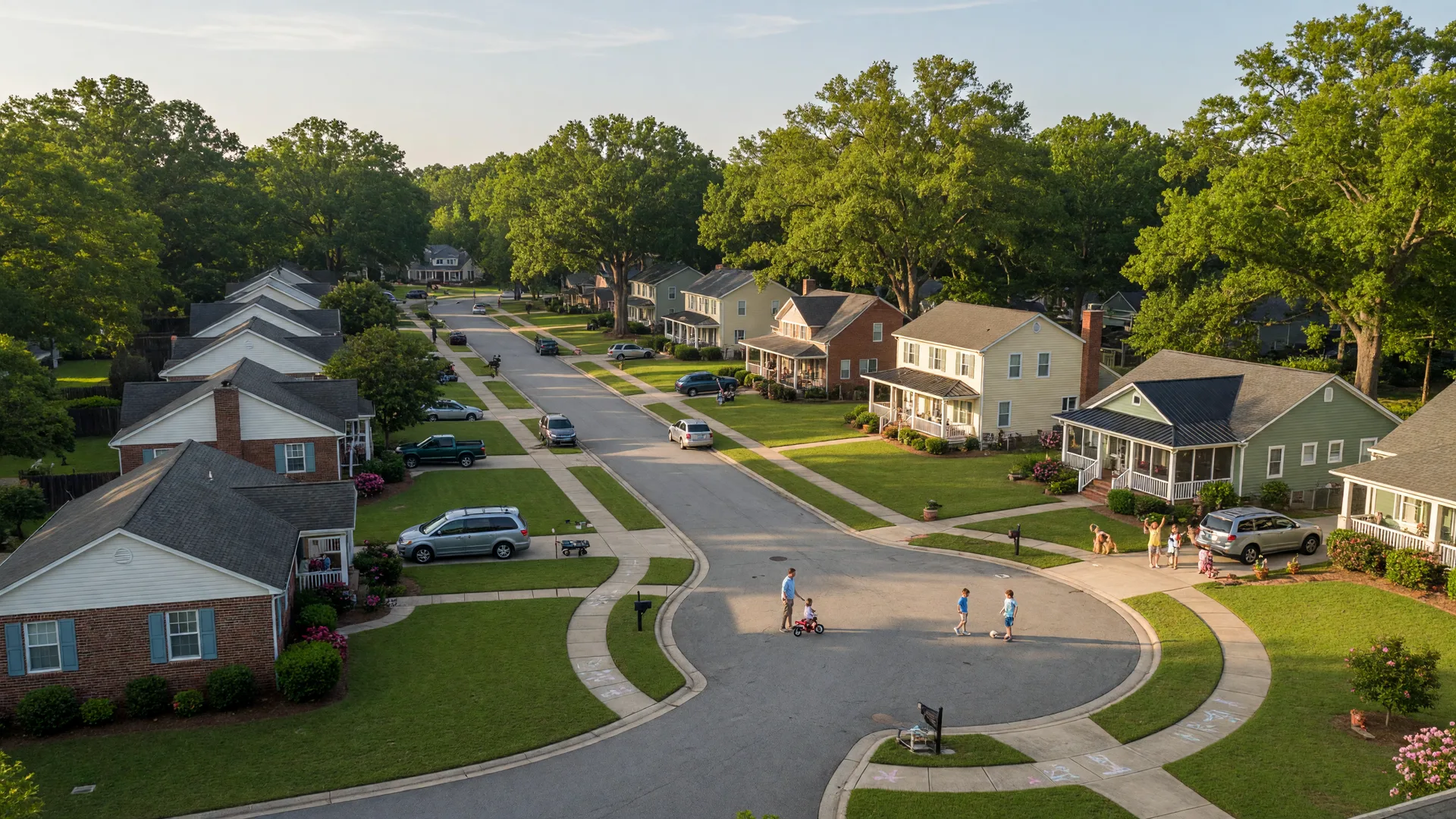
One of the most common questions I hear from buyers moving to Aiken is whether they should look at homes with acreage or stick to an established neighborhood. It is a great question — and one worth thinking through before you start touring properties.
Both options have real appeal. Acreage living gives you space, privacy, and the freedom to make the land your own. Neighborhood living offers convenience, community, and a lifestyle that is often simpler to maintain. The right choice depends on how you want to live — not just what looks good in a listing photo.
Key Takeaways
- Acreage living in Aiken SC offers privacy, space for horses or livestock, and room for workshops, gardens, and outdoor hobbies — often without HOA restrictions.
- Neighborhood living provides lower maintenance, walkability, community amenities, and easier access to downtown shops, restaurants, and schools.
- Acreage properties typically come with more responsibility: septic systems, well water, longer driveways, and higher utility and upkeep costs.
- HOA neighborhoods offer structure and shared amenities, but come with rules that may limit fencing, additions, or keeping animals on the property.
- Your best choice depends on your lifestyle priorities — commute time, privacy needs, desire for community, and whether you want horses or room to roam.
What This Guide Covers
What Acreage Living Looks Like in Aiken SC
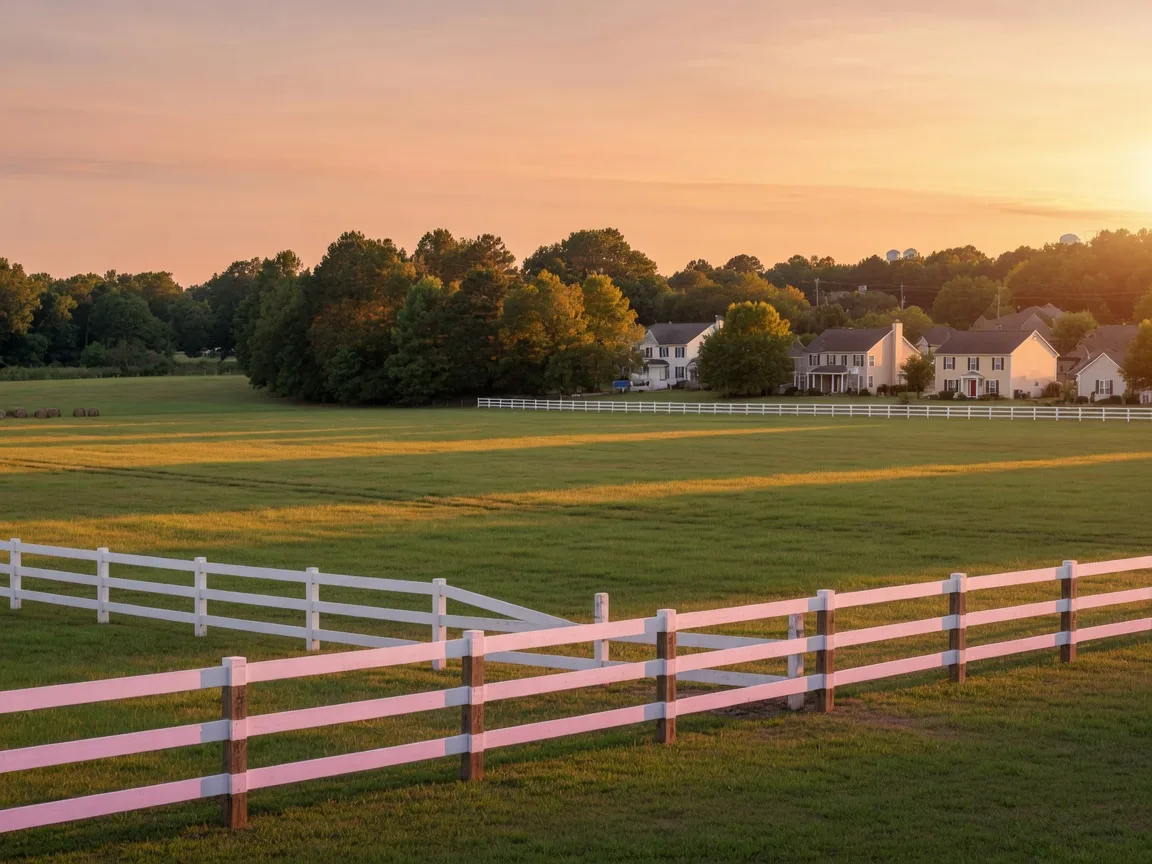
Aiken is known for wide open spaces and land that invites you to slow down. Owning acreage here means waking up to quiet mornings, seeing deer graze along the tree line, and having the kind of privacy that is hard to find in a subdivision. It is one of the reasons people fall in love with this part of the CSRA.
Lot sizes on acreage properties in and around Aiken vary widely. You will find everything from 2-to-5-acre home sites close to town to 20-, 40-, or even 100-acre tracts in the countryside around Wagener, Salley, and areas south and east of the city. Many of these properties include barns, paddocks, outbuildings, workshops, and gardens — and some are set up for horses, livestock, or hobby farming right from the start.
Aiken's equestrian heritage makes acreage especially appealing. Hitchcock Woods, the Aiken Training Track, and the New Bridge Polo community have drawn horse owners for generations. Living on acreage here means you can keep your horses at home, ride from your own barn, and still be just a short drive from downtown Aiken's shops and restaurants.
Beyond the equestrian appeal, acreage living also attracts buyers who want room for a home gym, a detached workshop, a pool, a garden, or simply the kind of breathing room that lets kids and dogs run free. If privacy and self-sufficiency matter to you, this lifestyle has a lot to offer.
What Neighborhood Living Looks Like in Aiken SC

Neighborhood living in Aiken is about convenience and community. Established communities like Kalmia Hills, Brookgreen, and Houndslake offer well-maintained homes, tree-lined streets, and a setting that feels settled and welcoming. Many of these neighborhoods are just minutes from downtown Aiken, which makes errands, dining, and community events easy to enjoy.
HOA communities in Aiken often include maintained common areas, community pools, tennis courts, and in some cases golf course access. For buyers who prefer not to worry about landscaping, exterior maintenance, or large property upkeep, this kind of living is a strong fit. Newer developments on the north and east sides of town also offer modern floor plans, energy-efficient construction, and amenities designed for today's buyers.
Neighborhood living also tends to be easier for people who travel frequently, want a walkable environment, or simply prefer a lock-and-leave lifestyle. You are close to schools, medical facilities, grocery stores, and the social rhythm of town. There is something to be said for knowing your neighbors by name and having a community that looks out for one another.
For relocating buyers coming from larger cities, Aiken's neighborhoods offer a quieter pace without feeling isolated. You get Southern charm, mature trees, and the kind of daily rhythm that makes life feel less rushed — all without giving up access to the amenities you need.
Acreage Living Pros and Cons
Advantages of Acreage Living
- Privacy and space: Larger setbacks and natural buffers between properties mean you enjoy the kind of peace and quiet that is hard to find in a neighborhood.
- Room for horses and livestock: Aiken's zoning in many areas permits agricultural use, making it ideal for buyers who want to keep horses, chickens, or other animals at home.
- Room for hobbies and storage: Workshops, detached garages, barns, and outbuildings are common on acreage and give you space for projects and equipment.
- No HOA restrictions in most cases: Acreage properties are typically not governed by HOA covenants, giving you more freedom with fencing, structures, and land use.
- Land value appreciation: Raw land and large parcels in desirable areas of Aiken have shown consistent value growth, especially near Hitchcock Woods and established equestrian corridors.
- Room to expand: Whether you want to add a barn, build a guest house, or clear a riding arena, acreage gives you the flexibility to grow over time.
Challenges of Acreage Living
- Longer driveways and road maintenance: Gravel or dirt driveways may need grading, and county road maintenance does not always extend to private drives.
- More property maintenance: Mowing, fencing, brush clearing, and general upkeep take more time and resources on larger parcels.
- Septic systems vs. sewer: Most rural properties use septic, which requires periodic pumping and inspections — and may limit future expansion if the system is at capacity.
- Well water vs. municipal water: Many acreage homes rely on private wells, which means water quality testing and potential pump maintenance.
- Higher utility costs: Heating, cooling, and maintaining a larger home on acreage can increase monthly utility bills.
- Longer drives to stores and services: Grocery runs, school drop-offs, and medical appointments may take longer depending on how far out your property sits.
- Unexpected costs: Fencing repairs, equipment breakdowns, and land management needs can add up without warning.
Neighborhood Living Pros and Cons
Advantages of Neighborhood Living
- Lower maintenance: Smaller lots and HOA-maintained common areas mean less time on upkeep and more time enjoying your home.
- Walkability and nearby amenities: Many Aiken neighborhoods put you within easy reach of shops, restaurants, parks, and community events.
- Community feel: Neighbors, block parties, holiday events, and a shared sense of belonging are hallmarks of established Aiken neighborhoods.
- HOA-maintained common areas: Pools, playgrounds, tennis courts, and landscaped medians are taken care of for you.
- Closer to schools and shopping: Families with children often prefer being near school zones and everyday services.
- Easier to lock and leave: If you travel frequently, neighborhood living offers more peace of mind with lower security and maintenance concerns.
- Municipal water and sewer: Most neighborhoods in Aiken connect to city water and sewer, reducing maintenance concerns and costs.
- Easier resale: Neighborhood homes tend to attract a broader buyer pool and may sell more quickly than rural acreage, depending on market conditions.
Challenges of Neighborhood Living
- HOA rules and restrictions: Architectural review, landscaping standards, fencing limits, and parking rules can restrict what you do with your property.
- Less privacy: Smaller lot sizes and closer neighbors mean less natural separation between homes.
- Smaller lots: There is less room for additions, outbuildings, pools, or large-scale outdoor projects.
- HOA fees: Monthly or annual dues add to your housing costs and may increase over time.
- Less room for horses or large animals: Most HOA neighborhoods do not permit livestock, which limits options for equestrian buyers.
- Less flexibility: Exterior changes, additions, and certain improvements may require HOA approval, which can slow down your plans.
Which One Fits Your Lifestyle?
The best way to decide is to think about how you actually want to spend your mornings, your weekends, and your free time. Here are some questions worth considering:
- If you want horses, livestock, or hobby farming, acreage is almost always the better fit. Most equestrian properties in Aiken require enough land for paddocks, barns, and riding space.
- If you want walkability and low maintenance, a neighborhood home puts you closer to daily conveniences with less to manage outside.
- If privacy is your top priority, acreage wins every time. The natural setbacks and distance between homes create a quiet, private setting.
- If community and connection matter most, neighborhoods offer built-in social opportunities and a sense of belonging.
- If you commute to Augusta GA or Fort Eisenhower, consider drive times. Neighborhood homes closer to Aiken's north side or in North Augusta may shorten your commute compared to rural acreage further out.
- If you are a retiree or empty nester, a low-maintenance neighborhood home often makes more sense — unless the peace and space of acreage is what retirement is supposed to feel like for you.
- If you have a growing family, neighborhoods offer proximity to schools and other families, while acreage gives kids more room to play and explore outdoors.
- If you want room to grow over time, acreage offers the flexibility to build, expand, and add structures — something most neighborhoods cannot match.
There is no single right answer. What matters most is matching the property to the life you want to live in it.
What Acreage Buyers Should Know Before Buying Land in Aiken SC
Buying land or a large acreage property is different from purchasing a standard residential listing. Here are some key factors to evaluate before making an offer:
- Zoning designation: Check whether the land is zoned residential, agricultural, or mixed-use. This affects what you can build, whether you can keep animals, and how the property can be used.
- Septic system suitability: A perc test determines whether the soil can support a septic system. Poor soil conditions can limit building options significantly.
- Well water availability: Confirm whether a well exists, its depth, and water quality. If no well is present, drilling costs can be substantial.
- Road access: Verify whether the property has legal road access and whether the road is publicly maintained or private.
- Utility availability: Determine what utilities are available — electricity, natural gas, internet — and how far service connections need to extend.
- Flood zones: Check FEMA flood maps. Some acreage parcels may sit partially or fully within a flood zone, which affects insurance costs and building restrictions.
- Equestrian zoning: If you plan to keep horses, confirm that the property allows agricultural or equestrian use, including barns, arenas, and fencing.
- Property tax implications: Larger parcels and agricultural-use properties may have different tax assessments. Understanding this before buying helps avoid surprises.
- Survey considerations: A boundary survey is essential. Encroachments, easements, and unclear property lines are more common on large tracts than most buyers expect.
- Work with a local agent: Land purchases require specific knowledge that goes beyond standard residential transactions. An agent who understands Aiken County land-use regulations and off-market opportunities can save you time and money.
What Neighborhood Buyers Should Know About Aiken SC Communities
If a neighborhood home feels like the right direction, here is what to pay attention to before committing:
- HOA rules to review: Before making an offer, request and read the full CC&Rs. Understand restrictions on fencing, exterior paint colors, outbuildings, parking, and pets.
- Special assessment risks: Some HOAs levy one-time fees for road repairs, amenity upgrades, or reserve shortfalls. Ask about the reserve fund and any planned assessments.
- Community amenities: Pools, parks, playgrounds, tennis courts, and walking trails add value — but only if you will actually use them.
- Age of homes: Older neighborhoods may have charm and mature trees, but they can also come with updated systems, deferred maintenance, or insurance considerations.
- Neighborhood reputation: Talk to neighbors, visit at different times of day, and check online reviews. A neighborhood's reputation often tells you more than any listing description.
- School zones: Even if you do not have children, school assignments affect property values and resale appeal.
- Proximity to services: How close are you to grocery stores, medical offices, gas stations, and restaurants? Drive the route before you buy.
- Resale considerations: Think about future buyer demand. Homes in well-maintained communities with good locations tend to hold value better over time.
Linda's Local Insight
Having helped buyers across the CSRA for more than 20 years, I always tell people that Aiken offers something truly rare — you can live on 20 acres with horses and still be 10 minutes from downtown. Or you can be in a beautiful established neighborhood with everything close by. It really comes down to how you want to spend your mornings and your weekends.
I have walked buyers through both kinds of properties many times, and the ones who are happiest are the ones who take the time to match the home to their lifestyle — not just their budget. A beautiful house on the wrong property type will never feel right. But the right property, in the right setting, changes everything.
As an AI-Certified Realtor with Meybohm Real Estate, I use market data and local knowledge to help buyers see the full picture before they decide. Whether you are relocating from another state or buying your first home right here in Aiken, I want to make sure you understand what you are getting into — and that you feel good about it.
If you are not sure which direction fits your life, that is perfectly fine. A quick conversation about your priorities can point you in the right direction faster than weeks of searching on your own.
Your Takeaway
Choosing between acreage and a neighborhood in Aiken comes down to a few key questions: How much space do you need? How much maintenance are you comfortable with? Do you want horses or livestock? How important is walkability and community? What does your commute look like? And how long do you plan to stay?
Both lifestyles are excellent in Aiken. The important thing is that you choose the one that supports how you actually want to live — and that you work with someone who knows the difference between a listing that looks good online and a property that is the right fit in person.
Ready to Find the Right Fit in Aiken SC?
If you are trying to decide between acreage and a neighborhood in Aiken and want someone local to walk through the options with you, I would love to help. Reach out anytime — no pressure, just honest guidance from a local who knows the area.
Linda Limehouse
First AI-Certified Realtor® | Meybohm Real Estate
Licensed in SC & GA
Serving Aiken, North Augusta, Augusta, and the greater CSRA.
Frequently Asked Questions
How much does acreage cost in Aiken SC?
Acreage in Aiken SC varies widely depending on location, size, and improvements. Small hobby farms of 5 to 20 acres typically start around $300,000 to $600,000. Larger equestrian-ready properties with barns, fencing, and riding areas can range from $750,000 to well over $1.5 million, especially near Hitchcock Woods or in established horse communities. Raw land parcels in outlying areas like Wagener or Salley tend to be more affordable, often starting below $100,000 for smaller tracts.
Are there HOA neighborhoods in Aiken SC?
Yes. Aiken has several neighborhoods with HOA or POA governance. Communities like Kalmia Hills, Brookgreen, and newer developments around the north and east sides of town often include HOA-maintained common areas, community pools, tennis courts, or golf course access. HOA fees and rules vary from one community to another, so it is important to review the covenants before purchasing.
Can I keep horses on my property in Aiken SC?
In many areas of Aiken, yes. Aiken is well known for equestrian living, and many properties outside the city limits allow horses, barns, and riding arenas. However, zoning rules differ by location. Some properties fall under covenants that restrict livestock, and certain areas inside the city limits may have limitations. Always verify zoning and any HOA restrictions before assuming you can keep horses on a property.
Is it hard to find homes with land near downtown Aiken?
It is not common to find large acreage parcels immediately adjacent to downtown, but Aiken makes it easy to live close to everything and still enjoy space. Properties along South Boundary, near Hitchcock Woods, and in the areas just outside the city center can offer several acres with a short drive to shops, restaurants, and downtown events. Working with a local agent who knows the off-market opportunities helps a lot in this market.
What should I know before buying raw land in Aiken SC?
Before buying raw land, you should check zoning designation, septic suitability, well water availability, road access, utility connections, and whether the property falls in a flood zone. A survey, soil perc test, and title search are essential. Equestrian zoning is also worth confirming if you plan to keep horses. A local agent who understands land purchases in Aiken County can guide you through each of these steps.