

Linda Limehouse
AI-Certified Realtor® · Meybohm Real Estate
Aiken SC · North Augusta SC · Augusta GA
Buying New Construction in Aiken: What Relocating Buyers Should Know
Aiken SC New Construction Relocation Builder Contracts Home Inspections Warranties Buyers
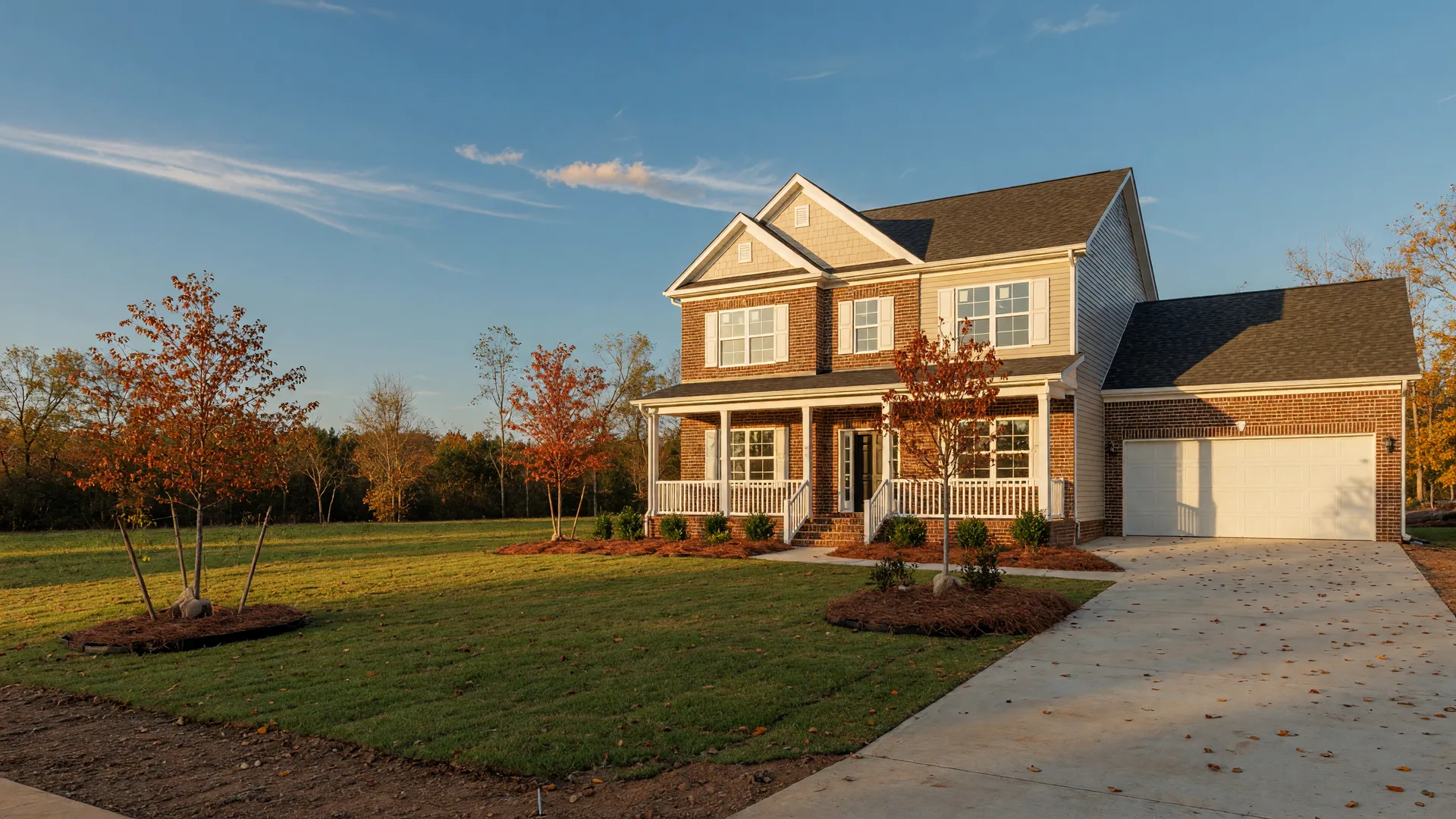
Buying new construction in Aiken is different from buying a resale home, and relocating buyers in particular are often surprised by how different. The process involves a builder contract written by the builder, incentives that come with fine print, inspections that many buyers assume are unnecessary, a warranty you need to read before you close, and a sales team that represents the builder, not you.
The good news is that none of this has to be confusing. New construction can be one of the smoothest ways to buy a home when you understand who pays for what, what is and is not guaranteed, and which experts to bring into the process. This guide walks relocating buyers through the parts of the new-build process that matter most, and it points you to the people who can confirm the specifics for your situation.
Key Takeaways
- The builder contract is a binding legal agreement written to protect the builder, so have it reviewed by your own agent and a real estate attorney.
- Incentives like closing cost credits and rate buydowns can be valuable, but only when the terms are written down and compared with an independent lender quote.
- Brand-new homes still deserve an independent inspection, ideally at key construction stages and again before closing.
- Warranty programs vary by builder, so read the documents, understand the claim process, and keep them after closing.
- Having your own buyer's agent costs you no more in most cases and protects your interests from the first visit to the closing table.
In This Guide
- Why Are Relocating Buyers Choosing New Construction in Aiken?
- What Should You Look for in a Builder's Contract?
- How Do Builder Incentives Actually Work?
- Do New Homes Really Need an Inspection?
- What Does the New-Home Warranty Cover?
- Should You Have Your Own Agent When Buying New Construction?
- What Should You Verify With Your Builder, Attorney, and Lender?
- Linda's Local Insight
- Your Takeaway
- Frequently Asked Questions
Why Are Relocating Buyers Choosing New Construction in Aiken?
Relocating families and out-of-state buyers are drawn to Aiken for many of the same reasons: a welcoming small city, strong schools, easy access to Augusta, and a pace of life that is hard to find in a bigger metro. New construction adds another layer of appeal. A brand-new home means modern floor plans, energy-efficient windows and insulation, updated wiring and plumbing, and none of the deferred maintenance that comes with an older house.
For someone moving across the country, there is also something reassuring about a home that no one else has lived in. You are not inheriting someone else's repairs or surprises, and depending on where the build stands, you may be able to choose finishes and upgrades before move-in day. That control is a big part of the appeal for buyers who cannot easily change things after they arrive.
What relocating buyers should keep in mind is that new construction still moves through a purchase process with contracts, financing, and inspections. The home may be new, but the transaction still needs the same care you would give any major purchase. My 2026 guide to new construction in Aiken compares communities and builders in more depth if you are still deciding where to look.
What Should You Look for in a Builder's Contract?
The first thing to understand is that a builder's purchase agreement is not the same document you would sign for a resale home, and it is not the same from builder to builder. It is drafted by the builder's attorneys and it protects the builder first. That does not make it unfair, but it does mean you should read it like the binding contract it is, before you sign.
With so much of the value wrapped up in upgrades and allowances, ownership of the details is your best protection. Read for the base price versus the final price, the included features and standard finishes, the selection and upgrade process, the construction timeline and completion date, cancellation terms, and what happens to your earnest money in each scenario. Notice which contingencies are included, such as financing, appraisal, and inspection, and which ones are missing, because every contingency that is not in the contract cannot protect you later.
For relocating buyers, the timeline deserves extra attention. If you have a move date tied to a job start or a school year, know whether the builder guarantees a completion date and what the contract says if construction runs past it. Ask about temporary housing options, delayed possession, and how upgrade selections affect the schedule. A contract that is generous on timeline is worth more to you than one that is generous with model options.
The smartest single step is to have a real estate attorney and your own agent review the contract before you sign. This is one of the places where professional review, at a modest cost compared with the size of the purchase, can save you far more later. For a sense of how the offer and contract steps fit together, see my guide to making a strong offer.
How Do Builder Incentives Actually Work?
Builders routinely use incentives to attract buyers, and relocating buyers in particular are often offered something extra to make the decision easier. The most common incentives are closing cost credits, interest rate buydowns through the builder's preferred lender, and allowances toward upgrades. Each one can be a genuine benefit, and each one has terms worth reading twice.
Closing cost credits reduce the cash you bring to closing, which can be a big help for buyers who have already spent money on a move. Rate buydowns lower your monthly payment for a period of time, which can make a new build feel more affordable month to month. Upgrade allowances give you a set amount of selection credit, which can turn standard builder features into something closer to what you actually want.
The two discipline points are writing and comparison. An incentive only counts if it is in the purchase agreement, because a verbal promise does not survive the handoff to a new sales manager. And when an incentive is tied to the builder's preferred lender, get the full loan estimate from that lender, then compare it with an independent lender's estimate for the same loan program. The incentive that looks generous can cost more than it saves if the quoted rate and fees are higher than the market.
Value an incentive by what it does to your total cost and monthly payment, not by its marketing size. If financing questions are front of mind, my guide to how much home you can afford and the mortgage prep steps are good companions on the financing side.
Do New Homes Really Need an Inspection?
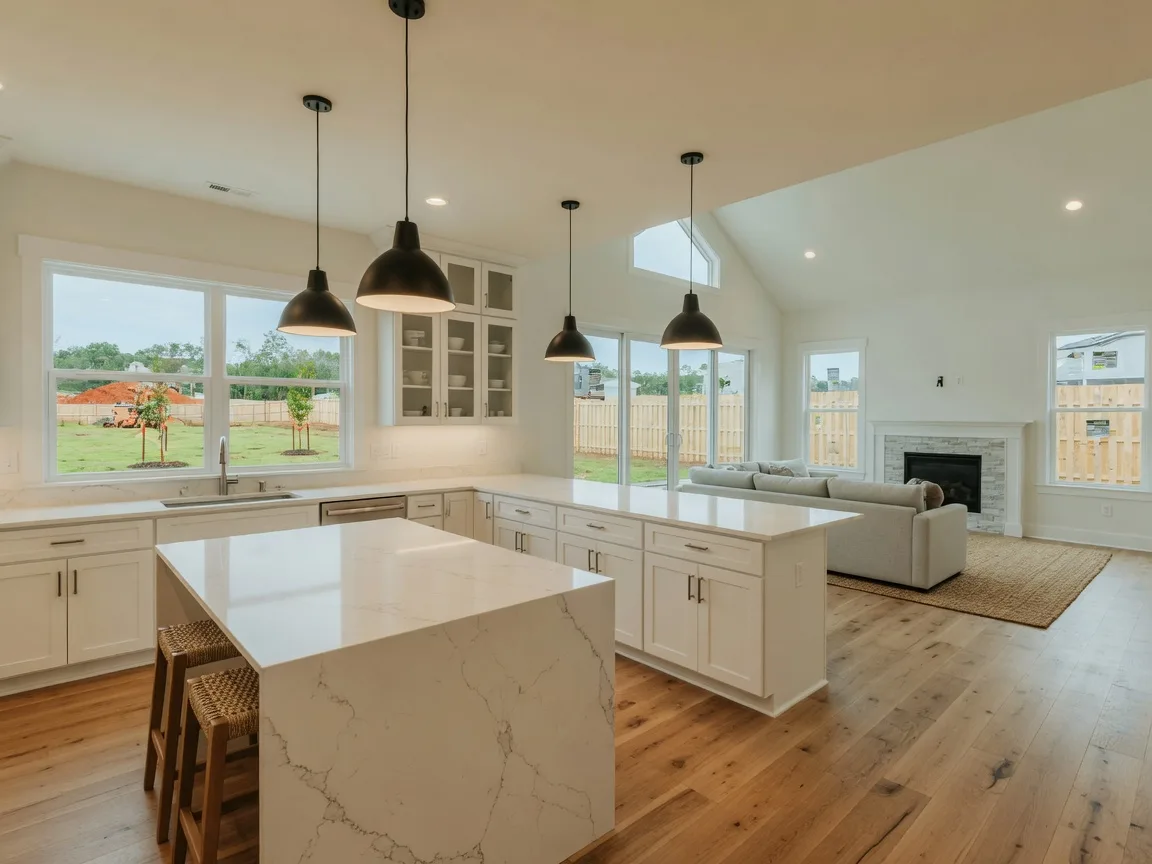
Yes. This is the question I hear most often from relocating buyers, and the answer is always the same: a brand-new home deserves an independent inspection just as much as a resale home, sometimes more. New homes are built quickly by teams of subcontractors, and no construction process is flawless. Grading and drainage, roof flashing, HVAC installation, electrical connections, and plumbing details can all have issues that an experienced inspector will spot and a walkthrough never will.
The most useful timing is a pre-drywall inspection, when the framing, wiring, and plumbing are still visible and corrections are inexpensive, plus a final inspection and the builder's pre-settlement walkthrough. Some buyers add a check after the home is complete but before closing to catch cosmetics and punch-list items. Whichever stage you choose, use an independent inspector who works for you, not anyone connected to the builder.
For relocating buyers who cannot be present, a local inspector can often share photos and a written report, and your agent can walk with the inspector on your behalf. The inspection report also becomes your roadmap for the builder's punch list: items you found get written down, shared with the builder, and confirmed complete before you take the keys. My home inspection tips for CSRA buyers explains what a standard inspection covers and which CSRA-specific items to watch.
What Does the New-Home Warranty Cover?
Most new construction homes come with a builder warranty program that covers workmanship, systems, and major structural elements, and the term of coverage is not the same for each part. Structural coverage, for example, typically runs longer than coverage for systems like plumbing, electrical, and HVAC, which in turn usually runs longer than the workmanship period. Some builders offer extended program options or enhanced coverage as part of a package.
What matters most is that you treat the warranty as a set of written terms, not a promise made at the sales office. Read what is covered, what is excluded, how long each type of coverage lasts, whether there is a deductible, and exactly how you file a claim. Note who administers the program, because some builders self-insure and some use a third-party warranty company, and keep every document in a folder you can find later.
Also ask how the builder handles warranty requests in their first year, because that is when most claims happen. A builder with a clear, responsive process is worth a great deal, and the opposite is one of the most common frustrations of new-build ownership. If you want the bigger picture on how home warranties fit a purchase, my home warranties guide covers the differences between a builder warranty and a separately purchased home warranty.
Should You Have Your Own Agent When Buying New Construction?
Short answer: yes, and here is the reason that surprises relocating buyers the most. The friendly person in the model home is the builder's sales representative. They are good at what they do, but their job is to sell the builder's homes, and they are paid by the builder. They cannot negotiate against their own employer, review the contract from your side, or flag the terms that favor the builder.
A buyer's agent works for you: comparing builders and communities, reviewing the purchase agreement, tracking incentives, scheduling and attending inspections, coordinating the punch list, and managing the timeline through closing. And in the vast majority of new construction purchases, the builder pays the buyer agent's commission, which means you get that representation without it adding to your price. Confirm the builder's buyer agent policy in writing before your first visit.
One timing tip for relocating buyers: mention your agent to the builder sales team on your very first visit, before you tour models or register as a customer. Builders often use that first-contact registration to decide whether a buyer has an agent and which commission structure applies. A buyer who shows up without representation and later adds an agent can find the builder unwilling to pay the commission, because the brokerage was never registered.
For out-of-state buyers in particular, having a local buyer's agent is also how you keep eyes on a build you cannot visit. My guide to buying a home sight unseen in the CSRA walks through how local agents and inspectors cover a purchase from a distance.
What Should You Verify With Your Builder, Attorney, and Lender?
General guidance is useful, but your contract and your situation are specific, so verify the details with the people who hold your paperwork. This guide is not legal or financial advice, and the exact terms of a builder offer, a warranty program, or a loan will come from the professionals in your transaction.
- With the builder: the included features and standard finishes, every incentive in writing, the guaranteed timeline and what happens if it slips, the warranty term sheet and claim process, the punch list procedure, and the buyer agent commission policy.
- With a real estate attorney: the purchase agreement before you sign, the contingencies you have and the ones you do not, earnest money handling, and the state-specific contract and disclosure requirements for South Carolina or Georgia.
- With your lender: a written loan estimate for the builder preferred lender and an independent lender, the difference in rate, fees, and monthly payment, construction-to-permanent loan options, and how appraisal and financing timelines fit the builder's completion date.
Getting each of those confirmed in writing before you sign is the difference between a smooth new-build purchase and a stressful one. My guide to what happens after your offer is accepted lays out the full path from contract to closing day.
Linda's Local Insight
After more than 20 years in the Aiken and CSRA market, I have seen hundreds of builder transactions, and the ones that go smoothly almost always have the same shape: a buyer who reads everything, verifies everything, and brings their own team to the table. The new-home process is exciting, and it should be, but the buyers who treat the purchase agreement like a real contract and the inspection like a real step are the ones who close without regrets.
As an AI-Certified Realtor with Meybohm Real Estate, I also help relocating buyers compare builders and communities with the market data on their side, so you know what a fair deal looks like while you are hundreds of miles away. Whether you are buying from a regional builder or a semi-custom shop, the same rule applies: if you hesitate over a contract term, that is worth resolving before you sign, not after.
Your Takeaway
- Read the contract like a lawyer. Base price, included features, contingencies, timeline, and cancellation terms all live in the builder's agreement.
- Get incentives in writing. Compare the builder lender's loan estimate with an independent quote before accepting any offer.
- Inspect even the new builds. A pre-drywall inspection, a final inspection, and the builder walkthrough protect you at every stage.
- Know your warranty. Read the terms, keep the documents, and understand how claims are filed before closing.
- Bring your own agent. Most builders pay the buyer agent commission, and representation costs you nothing extra while protecting your interests.
Frequently Asked Questions
Do I need a real estate agent to buy new construction in Aiken?
You are not required to have an agent, but having your own buyer representation is a real advantage when you buy a builder home. The sales agent in the model home works for the builder, not for you. Your own agent can help you compare builders, review the contract, track incentives, coordinate inspections, and protect your interests. In most cases the builder pays the buyer agent commission, so the representation does not add to your purchase price. Confirm the policy with the builder in writing before you sign anything.
What should I look for in a new construction purchase agreement?
Read the purchase agreement as a binding contract, not a formality. Look for the base price and every cost that can change it, the list of what is included versus what is an upgrade, the completion and closing timeline, cancellation terms, and what happens if the home is not finished on time. Pay attention to which contingencies are included, such as financing, appraisal, and inspection, and which ones are not. Ask your own agent and a real estate attorney to review it before you sign, because the builder contract is not the same as a standard resale contract.
Should I still get an inspection on a brand-new home?
Yes. A new home is built fast, by subcontractors, under all kinds of weather, and it is not flawless. An independent third-party inspector can check the foundation, framing, electrical, plumbing, HVAC, drainage, and grading at key stages, including before the drywall goes up. Pre-settlement inspections catch issues you can ask the builder to correct while the work is easiest to fix. Many builders also hold a scheduled walkthrough before closing where you can list items for the punch list, and combining that with your own inspection gives you the clearest picture.
How do builder incentives work when buying new construction?
Builders commonly offer incentives such as closing cost credits, interest rate buydowns, or an allowance toward upgrades, especially when they want to move inventory or hit volume goals. Two things matter: get every incentive in writing in the purchase agreement, and compare the builder preferred lender offer with an independent lender quote before you accept it. A credit toward closing costs can be a great deal, but the best package is the one that makes your total cost and monthly payment the clearest and most competitive.
What does the new home warranty actually cover?
Every builder warranty is different. Most wrap workmanship, systems, and major structural elements into one program, with structural coverage typically running longer than coverage for systems and workmanship. Warranty programs also spell out exclusions, claim timelines, and the process for requesting a repair, so read the documents and keep them. Ask the builder who administers the warranty, how long each part of the coverage lasts, and how you file a claim, then confirm the details with the warranty provider before you close.
Related Resources
New Construction
New Construction Homes in Aiken SC: 2026 Guide
Communities, builders, costs, warranties, and how new builds compare with resale homes.
Inspections
Home Inspection Tips for CSRA Buyers
What a standard inspection covers and the CSRA-specific issues to watch for.
Relocation
Buying a Home Sight Unseen in the CSRA
How out-of-state buyers buy with confidence, from video tours to inspections.
Relocation
Moving to Aiken SC: Relocation Guide
What buyers and families should know before relocating to Aiken, SC.
Considering a New Build in Aiken?
Whether you are relocating from another state or moving across the CSRA, I will help you compare builders, review contracts, and manage your new-home purchase from first visit to closing. No pressure, just honest local guidance from someone who has walked builder transactions for more than 20 years.
Linda Limehouse
First AI-Certified Realtor® | Meybohm Real Estate
SC License: 67440 · GA License: 323267