

Linda Limehouse
AI-Certified Realtor® · Meybohm Real Estate
Aiken SC · North Augusta SC · Augusta GA
Buying an Older Home in North Augusta SC: What to Inspect
North Augusta SC Older Homes Home Inspection Roof Foundation HVAC Plumbing Electrical Buyer Tips
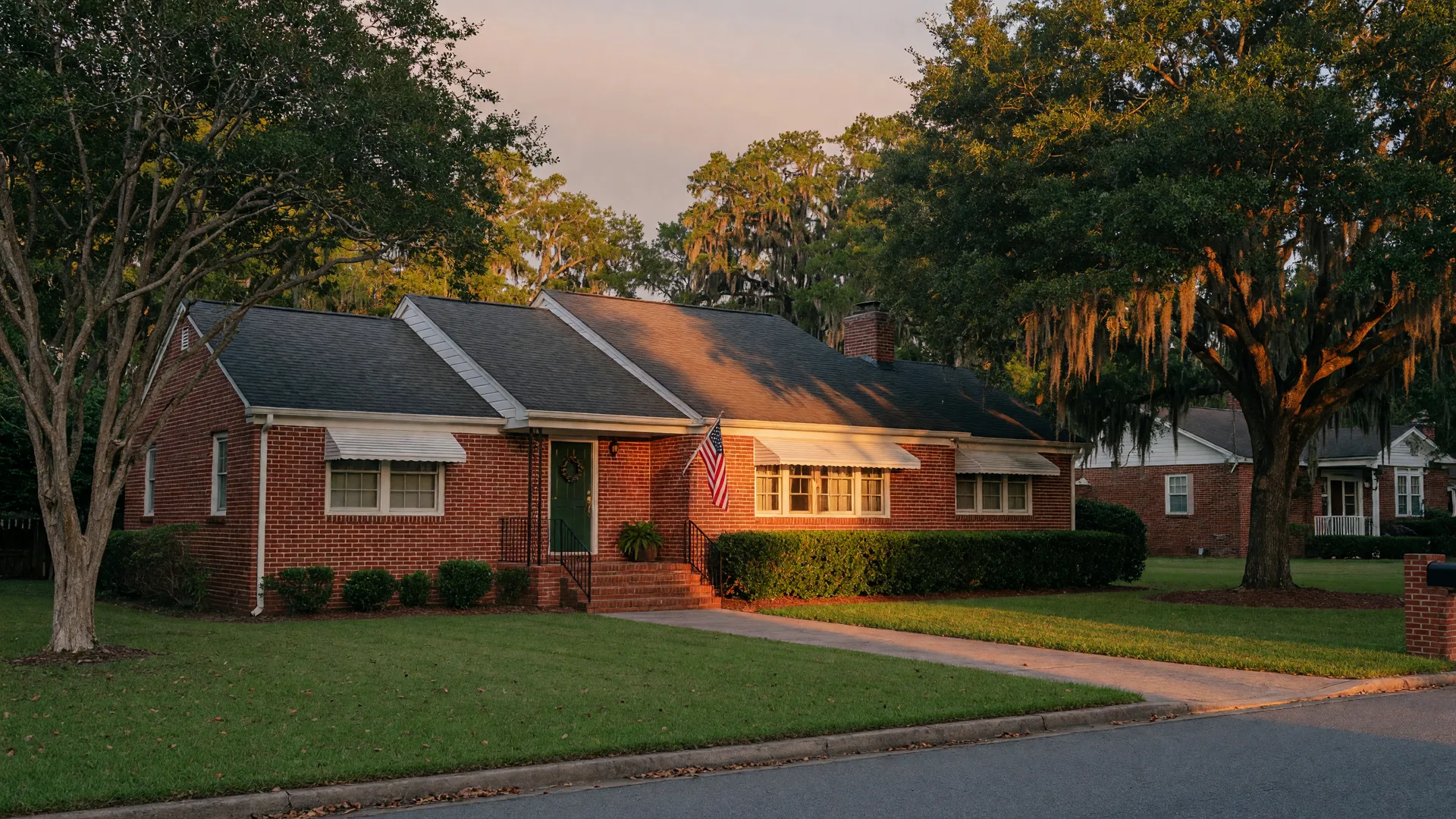
Older homes in North Augusta SC have a lot going for them: established neighborhoods, mature trees, generous lots, and character you simply cannot build new. They also come with systems that have been working for decades. This guide walks through what to inspect when you are buying an older home here, from the roof to the foundation, so you can separate normal maintenance from deal-breakers before you commit.
North Augusta's housing stock spans quiet mid-century river neighborhoods, established family communities, and newer riverfront developments. If you are drawn to an older home, the inspection is where you learn what that home really needs. This guide pairs well with my Moving to North Augusta SC relocation guide, which covers the neighborhoods and what to expect across the city.
Key Takeaways
- ✓ An inspection is a condition report, not a pass or fail grade. It tells you what needs attention today and what to plan for later.
- ✓ Focus on the roof, foundation, HVAC, plumbing, and electrical. These are the systems where age shows up first and where the biggest costs live.
- ✓ Age is not automatically a problem. Well-maintained older homes can be excellent purchases; neglected ones can hide expensive surprises.
- ✓ Plan for specialized checks. Termite and wood-destroying insect reports, sewer scopes, and well or septic testing are often worth adding on older properties.
- ✓ Use the report as a negotiation tool. Repairs, closing cost credits, and price adjustments all come from what the inspection finds.
Table of Contents
Why Do Older Homes in North Augusta SC Need Extra Attention?
Older homes have more years of wear, more rounds of repairs, and in some cases systems that predate modern building codes. An honest inspection tells you which of those things are cosmetic and which will cost real money down the road. In North Augusta, several established neighborhoods were built decades ago, and their homes reflect the standards and materials of their era.
That history is not a reason to avoid an older home; it is a reason to look carefully before you buy. Well-kept older homes sit on some of the most desirable streets in the area, and many owners have already updated the systems that matter most. The inspection simply confirms what you are actually buying, and it gives you a clear picture of what the first few years of ownership will cost.
If you are weighing older neighborhoods against newer communities, my post on best neighborhoods in North Augusta SC for relocating families is a helpful place to compare your options side by side.
How Old Is the Roof, and What Condition Is It In?
The roof is often the single most expensive component a buyer inherits, so it is the first place your inspector will spend time. They evaluate the roofing material, flashing around chimneys and valleys, gutters and downspouts, and the attic side of the decking for signs of leaks or poor ventilation.
Roofing materials wear out at different rates, and a roof near the end of its service life is a major future expense. Ask the inspector how old the roof appears to be, and check the seller's disclosure for the roof's age and any recent replacement. Attic ventilation matters in the South too: a hot, poorly vented attic can shorten a roof's life and contribute to moisture problems.
Budgeting for a future roof replacement is very different from discovering a sudden leak in year one. Knowing where the roof stands before you close lets you plan honestly, or negotiate with the seller if the roof is clearly near the end of its life.
What Should You Check on the Foundation and Structure?
The CSRA's soils expand when wet and shrink when dry, and that natural movement can show up as cracks, settled corners, or doors that stick. An inspector evaluates the foundation, the crawl space or slab, and the exterior grading that directs water away from the home.
Small, stable hairline cracks in a foundation are common and usually harmless. Larger, growing, or stair-step cracks deserve careful review, and your inspector may recommend a structural engineer for a closer look. Many older North Augusta homes have crawl spaces, so the inspector will also check moisture levels, ventilation, and whether the space stays dry through the humid months.
Because water is the enemy of foundations, drainage and gutters matter as much as the concrete itself. A home with poor grading can show foundation movement that a well-drained property never sees, and that distinction is exactly what an inspection is designed to catch.
Is the HVAC System Past Its Prime?
Heating and cooling equipment has a working life, and older systems are often still running when the inspector arrives. The inspection covers the age and condition of the furnace or heat pump, the air conditioning equipment, the ductwork you can see, and the visible connections and controls.
Ask the inspector for the approximate age of the equipment and whether it shows signs of regular maintenance. In the South, air conditioning gets heavy year-round use, and a cooling system near the end of its life is one of the larger future expenses an older home can carry. The type of system matters too: some older homes use heat pumps, others have gas furnaces, and a few still rely on older electric baseboard units, each with its own replacement cost and efficiency profile.
Knowing the age and condition of the HVAC before you buy means you can budget for a replacement on your own timeline instead of reacting to an August breakdown in your first summer in the home.
What Plumbing Issues Show Up in Older Homes?
In older homes, plumbing questions center on the pipe material, the water heater, and the condition of the lines themselves. Inspectors look at visible supply and drain lines, water pressure, fixture function, and signs of past or active leaks under sinks and around the water heater.
Homes built decades ago can have galvanized steel supply pipes, which can corrode from the inside over time, or older drain materials that are past their expected service life. A sewer scope, which runs a camera through the main line to the street, is an add-on many buyers choose for older homes, and it can reveal root intrusion or damage that no surface inspection will find.
Water heaters also have a service life, and the inspector will report its condition and approximate age. If any of these items look questionable, a licensed plumber's estimate before you close makes the true cost of the home much clearer.
Is the Electrical System Safe and Up to Code?
Electrical inspections for older homes focus on the panel and the wiring. The inspector checks that the panel is adequate for the home, that visible wiring is in good condition, and that safety features like GFCI protection are present near water.
Some older homes still have outdated panel types or aging wiring that predates modern standards. If the inspector flags a concern, ask a licensed electrician for a cost estimate before you decide what to do. Some outdated panels are simply old, while others present genuine safety issues, and the inspection tells you which category you are in.
Electrical findings can also affect your insurance quote, so they matter beyond safety. Getting quotes early, and sharing what the inspection reveals, helps you avoid surprises when your new policy is written.
What Other Age-Related Concerns Should You Watch For?
Beyond the major systems, older homes come with a handful of age-related items that deserve their own attention. A standard inspection will note visible signs, but several of these need separate, specialized checks:
- ✓ Termites and wood-destroying insects. The Southeast is a high-risk area for termite activity, and older homes have had more years of possible exposure. A separate wood-destroying insect report is a targeted check, and many lenders require one.
- ✓ Lead-based paint and asbestos. For homes built before 1978, federal law requires sellers to disclose known lead-based paint hazards, and older homes may contain materials that were common before the 1980s. A standard inspection does not test for these; you would order separate testing if you want certainty.
- ✓ Windows, insulation, and energy performance. Older windows and dated insulation affect comfort and utility bills. The inspector reports visible condition so you know what an energy upgrade might involve.
- ✓ Moisture, humidity, and mold conditions. Warm, humid weather tests crawl spaces and attics. The inspector checks ventilation and moisture signs in both, because water intrusion is how big problems start in older homes.
- ✓ Chimneys and fireplaces. If the home has a fireplace, a chimney sweep or certified chimney inspector can evaluate the flue and firebox separately from the main inspection. An unused fireplace is one thing; an unsafe one is another.
Your inspector will tell you which add-ons are recommended for the specific property, and I help coordinate whatever is worth doing before your inspection deadline passes.
Why Do Inspections Matter More for Older Properties?
On an older home, the inspection is not a formality; it is how you learn the true age and condition of the systems you will own. Repairs discovered after closing become your problem, while the same issues found during the inspection window are negotiation items. That timing alone is why the inspection matters so much on older properties.
An inspection also gives you a maintenance plan. It tells you what to budget for in year one, what is fine for now but worth planning for, and what is in great shape. That kind of clarity is hard to put a price on when you are buying a home with decades of history.
My guide on home inspection tips for CSRA buyers walks through the process in detail, and my post on what happens after your offer is accepted shows where the inspection sits in the timeline. If the report reveals issues, you have real options: my guide to negotiating home repairs after an inspection explains how to request repairs, credits, or a price adjustment, and I am with you through every conversation.
Linda's Local Insight
After more than 20 years helping buyers across the CSRA, I have learned that the buyers who handle older homes best are the ones who treat the inspection as an education, not a hurdle. I have watched clients fall in love with a charming 1960s ranch that turned out to be beautifully maintained, and I have seen others walk away from a newer home with serious hidden problems. Age was never the deciding factor; the inspection findings were.
In North Augusta, I tell older-home buyers to pay special attention to three things: the condition of the roof, the moisture situation in the crawl space, and the age of the electrical panel. Those three come up more than any others in older local homes, and they are also the items with the biggest price tags if they need attention. Understanding them early gives you real leverage in the negotiation.
I also keep a short list of trusted local inspectors, lenders, and service professionals who are used to working on older homes. You can find that list on my Preferred Vendors page, and as an AI-Certified Realtor® with Meybohm Real Estate, I use my tools to help you compare properties and their age-related costs side by side.
Client-Friendly Takeaway
Buying an older home in North Augusta SC comes down to a simple rule: know what you are buying before you close. The inspection tells you the real condition of the roof, foundation, HVAC, plumbing, and electrical systems, and it flags the age-related items that deserve a second look.
Pair the standard inspection with the specialized checks that fit the property, attend the inspection when you can, and use the report to negotiate repairs or credits while you still have the chance. A well-inspected older home can be a wonderful purchase, and the inspection is what takes the guesswork out of it.
If you are looking at older homes in North Augusta, I would love to help you build the right inspection plan and read the results with you. Reach out anytime, no pressure, just honest guidance from a local who has done this for more than 20 years.
Linda Limehouse | First AI-Certified Realtor® | Meybohm Real Estate
Related Resources
Considering an Older Home in North Augusta SC?
Whether you are weighing an older home in an established neighborhood or comparing resale options across the city, I would love to help you build the right inspection plan and make a confident decision. Reach out anytime, no pressure, just honest guidance from a local who knows the area.
Linda Limehouse
First AI-Certified Realtor® | Meybohm Real Estate
Licensed in SC & GA · SC: 67440 · GA: 323267
Serving Aiken, North Augusta, Augusta, and the greater CSRA.
Frequently Asked Questions
How old does a home need to be before I order a thorough inspection?
Every home should be inspected before you close, no matter how old it is. For older homes, buyers often add specialized checks on top of the standard inspection: a termite or wood-destroying insect report, a sewer scope, and well or septic testing on acreage. Your inspector and agent will help you decide which add-ons make sense for the specific property.
Do older homes in North Augusta SC usually need big repairs?
It depends entirely on the home and how it was maintained. A well-cared-for older home can be in excellent shape and a great purchase, while a neglected one can hide expensive surprises. That is exactly why you inspect: the report separates urgent repairs from normal maintenance items, so you know what you are taking on before you commit.
Should I get a separate termite inspection for an older home?
Yes, I recommend it. South Carolina and Georgia are both high-risk areas for termite activity, and older homes have simply had more years of possible exposure. A standard inspection may catch visible signs, but a separate wood-destroying insect report is a targeted check, and many lenders require one anyway.
Can I negotiate repairs after the inspection on an older home?
Yes. The inspection contingency in your contract gives you room to request repairs, ask for a price reduction, or request closing cost credits based on what the report finds. On older homes the conversation is usually about which age-related items the seller will address and which are accepted as part of buying an older property. I help my buyers frame those requests and review every repair response.
Are older homes more expensive to insure?
Insurance quotes are based on the specific property, including the age and condition of the roof, the wiring, and past claims history. An outdated electrical panel or an aging roof can influence what a carrier quotes, so it is smart to get insurance quotes early in the process and to review what the seller's disclosure says about age-related systems.