

Linda Limehouse
AI-Certified Realtor® · Meybohm Real Estate
Aiken SC · North Augusta SC · Augusta GA
Living in Downtown Augusta GA: Housing, Walkability and Everyday Life
Cover downtown housing, entertainment, parking, and what buyers should consider before purchasing.
Augusta GA Downtown Augusta Housing Walkability Lofts Condos Entertainment Parking Relocation Meybohm Real Estate Linda Limehouse

Downtown Augusta is the riverfront heart of the city: Broad Street's historic storefronts, the Savannah River and its riverwalk, a lively restaurant and entertainment scene, and a growing mix of lofts, condos, and apartments for people who want the city at their doorstep. For buyers, living here is a lifestyle decision first and a real estate decision second, because walkability, parking, and noise genuinely vary from block to block. This guide covers the downtown housing options, the entertainment and nightlife, parking and transportation, and the questions to answer before you purchase.
I am Linda Limehouse, an AI-Certified Realtor® with Meybohm Real Estate, and I have spent more than 20 years helping buyers and sellers across Augusta, Aiken, and North Augusta. I have walked downtown Augusta at every hour and in every season, and I will be straight with you about what living here means on an ordinary Tuesday, an event weekend, and everything in between.
Key Takeaways
- ✓ Downtown Augusta centers on the riverfront and Broad Street, with dining, entertainment, and the Riverwalk within walking distance of the core blocks.
- ✓ Housing spans lofts, condos, historic conversions, apartments, and newer mixed-use buildings, with a real mix of owned and rented units.
- ✓ Walkability and parking vary block to block, so the exact address matters as much as the neighborhood.
- ✓ HOA and condo fees, building systems, insurance, noise, and resale history belong in every downtown purchase decision.
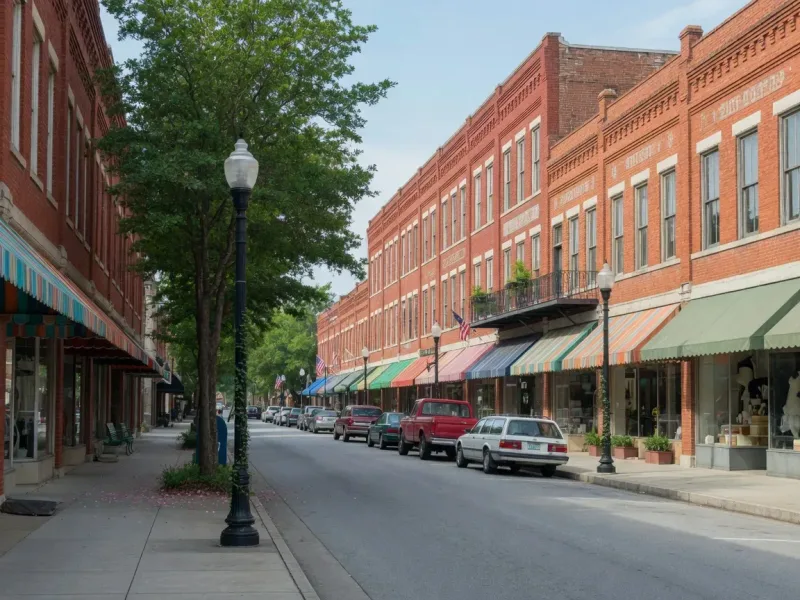
An Overview of Downtown Augusta: Riverfront, Broad Street, and Everyday Life
Downtown Augusta is anchored by the Savannah River and by Broad Street, the historic commercial spine of the city. The Riverwalk runs along the river with promenade space and river views, and Broad Street is lined with restored storefronts housing restaurants, shops, galleries, and entertainment venues. Parks, public art, and the city's museums sit on and just off the core blocks, which gives the center of town a layered, walkable character.
Everyday life downtown is a mix of quick walks and short drives. From many central addresses you can walk to coffee, lunch, a show, or a riverfront stroll, while errands like groceries, pharmacy runs, and bigger shopping usually mean getting in the car. Events add rhythm to the calendar: festivals on the riverfront and along Broad Street, concerts, and the huge influx that arrives for Masters Week each spring. That energy is part of the appeal, and it is worth planning around.
If you are new to the region, my Augusta relocation guide is the best place to start on the wider picture, and my post on things to do in Augusta GA for new residents lists the anchor spots across the city.
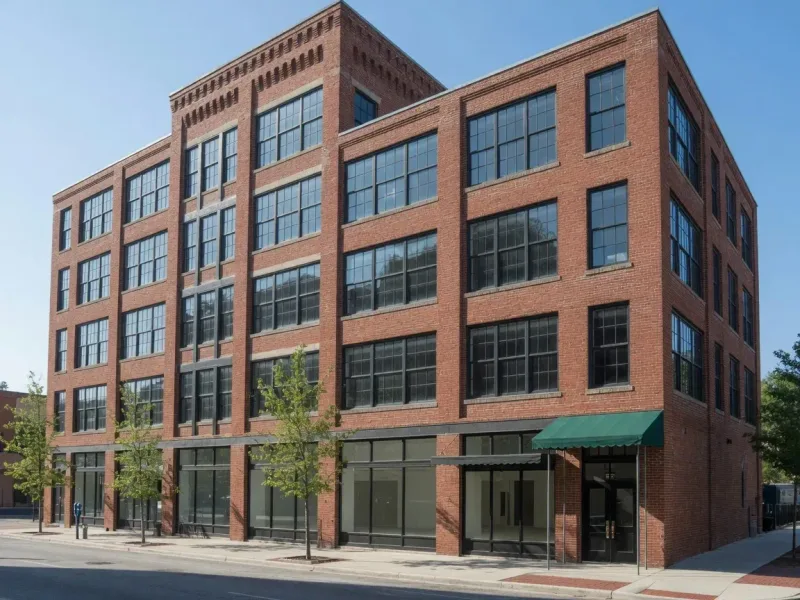
Downtown Housing Options: Lofts, Condos, Historic Conversions, and Apartments
Downtown Augusta's housing stock is defined by what the buildings used to be. Warehouses and commercial structures have been converted into lofts with open layouts, tall ceilings, and exposed details, historic buildings have been carved into condominiums, and newer mixed-use projects put residences above street-level retail. Each style has its own character, and each comes with different costs, rules, and upkeep expectations.
- Lofts and historic conversions. Renovated warehouses and older commercial buildings offer open, character-rich spaces with features like tall windows, high ceilings, and exposed brick and beams. They are often the most distinctive downtown units, and building age makes inspections and reserve checks important.
- Condominiums. Condos range from converted historic units to newer construction, and most run through a condo association with monthly fees, shared upkeep, and rules. My breakdown of condos versus single-family homes with HOAs in downtown Augusta goes deeper on the tradeoffs.
- Apartments and rentals. Downtown has a real rental market in the same buildings buyers are looking at. If you are unsure whether you will love the lifestyle, my guide to renting before buying after a relocation explains how to make the year count.
- Newer mixed-use buildings. Newer projects combine ground-floor retail with residences above, offering modern finishes and systems in exchange for a different price point and typically an HOA or condo fee. New construction has its own set of questions, from warranties to completion timelines.
Rental versus owned is a real fork in the road downtown. Owning buys you into the neighborhood and builds equity, while renting lets you test the block, the noise, the parking, and the commute before you commit. Either way, compare monthly costs honestly: rent or mortgage, association fees, insurance, utilities, and parking together, not the list price alone.

Entertainment and Nightlife in Downtown Augusta
Downtown is where Augusta goes out. Broad Street and the surrounding blocks hold restaurants ranging from casual to upscale, plus bars, music venues, theaters, and galleries, and the riverfront adds outdoor space for events and evening walks. The scene is active without being overwhelming on most nights, which is what many downtown residents like about it.
The entertainment calendar drives the crowds. Festival weekends, concert nights, and special events fill the streets and the parking, and during Masters Week the whole downtown operates at a holiday pace. Residents learn to plan around the calendar rather than fight it. For a visitor's-eye view of how the center of town behaves that week, my guide to where to stay in Augusta for Masters Week gives a sense of the pace and the crowds.
Arts and culture are part of the everyday texture, with galleries, museums, and live music woven into the storefronts. If you are weighing central Augusta living against other neighborhoods, my posts on living in Summerville's historic homes and on the downtown revival across Aiken and Augusta put the different characters side by side.
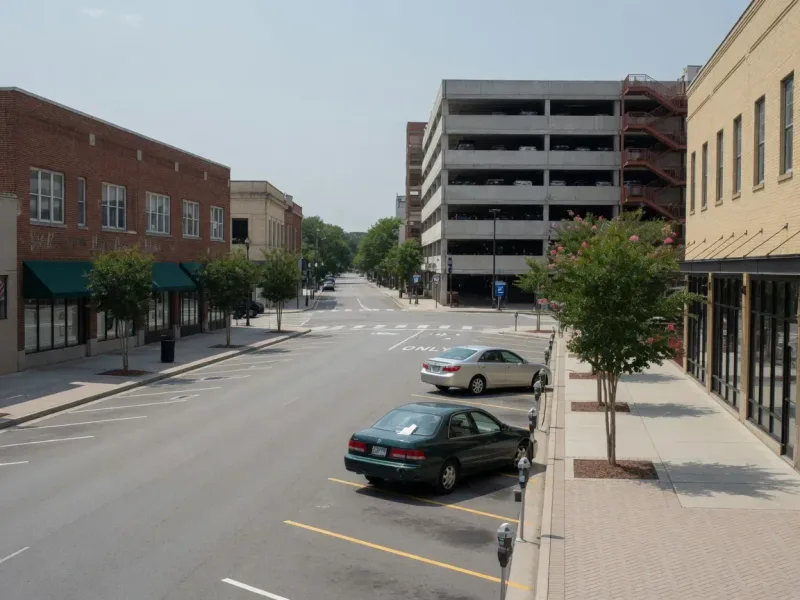
Parking and Transportation for Downtown Living
Parking is the question every downtown buyer asks, and the honest answer is: it depends on the address. Some buildings include dedicated or reserved parking, others rely on parking garages, surface lots, or street parking, and some streets and lots run on metered or permitted arrangements. Before you make an offer, confirm exactly how parking works for that unit, what it costs, and whether a space comes with the property.
Walking and biking cover more of your life downtown than in the suburbs. The core blocks, the riverfront, and many restaurants and venues sit close enough to walk from central addresses, and bikes, ride-share, and taxis fill the gaps, especially on nights out. For work, downtown sits near the bridges across the Savannah River and the main roads toward the medical district, Fort Eisenhower, and the surrounding counties, so most residents still drive for jobs and errands. Test the actual commute from the address at the times you would travel before you buy.

What Buyers Should Consider Before Purchasing Downtown
Downtown living rewards preparation. Here are the specifics to work through before you write an offer, and most of them are address-level questions rather than neighborhood-level ones.
HOA and Condo Fees
Almost every downtown condo and loft runs through an association, which means monthly fees, shared reserves, and rules about rentals, pets, and alterations. Read the governing documents, the budget, and the reserve study before you offer, and ask what a fee increase or special assessment would do to your monthly cost. My condo versus single-family comparison walks through how these fees show up in real purchase decisions.
Building Age and Systems
Many downtown units sit in older buildings, which is where the character comes from and where the maintenance lives. Check the roof, the HVAC, the plumbing, and the electrical for your unit, and review how the building maintains common systems like elevators, lobbies, and exterior walls. A thorough inspection and a look at the association's recent maintenance history tell you what you are really buying.
Insurance
Insurance works differently for condos and lofts than for single-family homes. You will typically need an HO-6 policy for your interior, and the association carries a master policy for the building, so align the two and understand exactly what each covers. Because downtown sits along the Savannah River, flood coverage is a question worth asking an insurance professional about even for higher floors. My CSRA homeowners insurance guide lists the questions to ask before closing.
Noise and Lifestyle Fit
You are buying a home inside an entertainment district, so noise is part of the package. Visit the property at the times you would actually be home: a weekday evening, a weekend night, and an event day, and confirm what the street sounds like from the unit itself. What feels like energy to one buyer feels like a disturbance to another, and only a real visit tells you which you are.
Resale and Market Realities
Downtown buyers tend to be a specific segment, and resale history varies by building, by unit type, and by view. Ask your agent to pull recent sales in the building and nearby, and look at how long units sit when they are listed. Downtown living has a durable appeal in Augusta, but a good resale story starts with buying the unit future buyers will want, not just the one you love now.
The Exact-Address Reality Check
Everything above comes down to one habit: verify at the address level, not the neighborhood level. Walk the exact block at different times, check the parking rules and the event calendar, confirm what your HOA fees cover and what is coming, and map the routes you will actually use. If you have to hesitate on any of it, that is information, not a failure. I help my downtown buyers run this checklist before they fall in love.
Frequently Asked Questions About Living in Downtown Augusta
Is downtown Augusta walkable?
It depends on the exact block and your routine. The riverfront, Broad Street, and the blocks around the restaurants and entertainment venues are genuinely walkable, with sidewalks and places you can reach on foot. Away from those core streets, many errands and daily needs require a car. Check the route from the exact address to the places you would actually visit before you commit to a unit.
What kind of housing is available in downtown Augusta?
Downtown Augusta offers a mix of lofts, condominiums, apartments, historic conversions, and newer mixed-use buildings, many of them in renovated warehouses and older commercial structures. Some units are owner-occupied and some are rentals, and inventory changes regularly, so it helps to look at what is actually on the market in the buildings you like.
Where do I park if I live downtown?
Parking depends on the building and the address. Some downtown buildings include dedicated or reserved spaces, while others rely on surface lots, parking garages, and street parking, and some areas run on metered or permit arrangements. Ask about parking as part of your purchase or lease terms, not as an afterthought, and confirm what it costs.
What should I check before buying a condo or loft downtown?
Start with the HOA or condo association: monthly fees, special assessments, reserves, and rules. Then verify the building's age and systems, what your insurance covers and what the association's master policy covers, noise levels at the times you would actually be home, resale history in the building, and the exact-address facts such as parking, walkability, and surrounding activity.
How busy is downtown Augusta during events?
Downtown draws real crowds on event days, including concerts, festivals, riverfront happenings, and Masters Week. Expect heavier traffic, fuller parking, and busier streets during those windows, and plan your routines around the event calendar. It is one of the tradeoffs of living at the center of things, and knowing the schedule in advance makes it easy to manage.
The Bottom Line
Downtown Augusta offers a kind of living you cannot find in the suburbs: history on Broad Street, the river at your doorstep, entertainment within walking distance, and a housing stock with real character. The tradeoffs are equally real: fees on top of the mortgage, parking that demands a plan, older building systems to maintain, and event crowds to schedule around.
Buy the block before you buy the unit. When the address checks out, the fees make sense, and the lifestyle genuinely fits your routine, downtown Augusta is a joy to call home.
Ready to Tour Downtown Augusta Homes?
Downtown inventory moves through a mix of listings, and the right unit depends on the exact block, the building history, and the numbers. I will help you compare downtown condos and lofts honestly, walk you through the fee documents and the resale picture, and show you homes that actually match your routine.
Linda Limehouse, REALTOR® | Meybohm Real Estate
First AI-Certified Realtor® in the CSRA
Call or text: 803-278-1800
Office: 803-278-4437
Licensed in SC: 67440 & GA: 323267
Serving Augusta, North Augusta, Aiken, and the greater CSRA.
Reviewed by Linda Limehouse, REALTOR®. Licensed in South Carolina and Georgia. More than 20 years of CSRA real estate experience.