

Linda Limehouse
AI-Certified Realtor® · Meybohm Real Estate
Aiken SC · North Augusta SC · Augusta GA
Living in Summerville, Augusta GA: Historic Homes, Lifestyle and Location
Explore historic architecture, neighborhood character, amenities, and considerations when buying an older home.
Augusta GA Summerville Historic Homes Lifestyle Relocation Historic District Older Homes Meybohm Real Estate Linda Limehouse

Summerville is Augusta's historic hilltop neighborhood, locally known as The Hill: a National Register historic district of tree-lined streets, grand older homes, and walkable blocks just northwest of downtown. If you are curious about living in Summerville, this guide walks through its historic architecture, its day-to-day character, the amenities nearby, and the honest considerations that come with buying an older home in a historic district.
I am Linda Limehouse, an AI-Certified Realtor® with Meybohm Real Estate, serving Augusta, Aiken, and North Augusta for more than 20 years. Summerville is one of the neighborhoods my buyers ask about most, and I have walked enough of its streets to know what wins people over and what surprises them. Here is a straight answer about what living in Summerville is really like.
Key Takeaways
- ✓ Summerville is a National Register historic district known as The Hill, with tree-lined streets and varied older homes close to Augusta University and downtown.
- ✓ Daily life centers on quiet residential blocks, local dining at Surrey Center, parks, and university-adjacent convenience; walkability varies by street.
- ✓ Older homes need real due diligence: inspection, roof, plumbing, electrical, HVAC, foundation, and lead paint considerations.
- ✓ Historic-district rules and design review can affect exterior changes; verify current requirements with the City of Augusta and the Historic Preservation Commission.
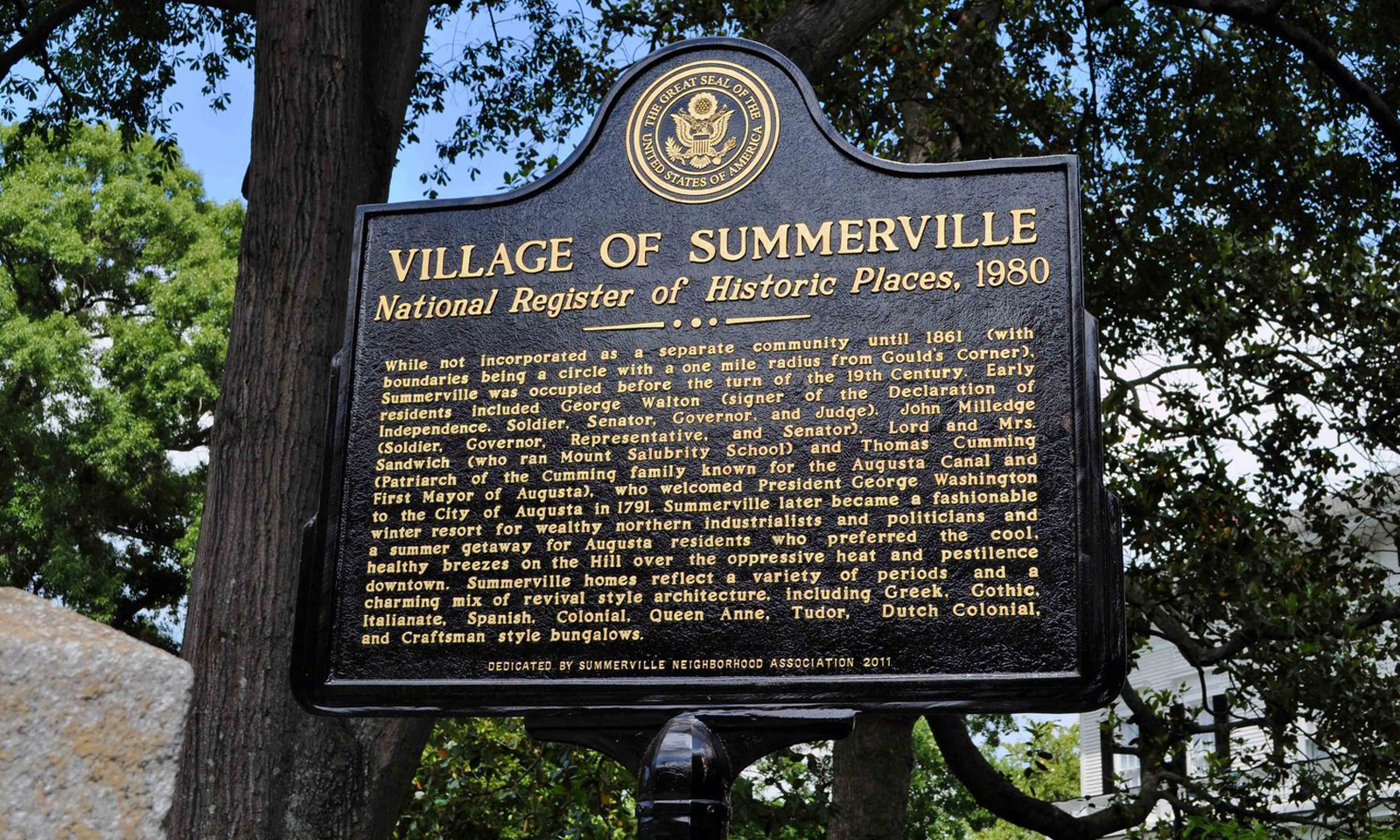
The Village of Summerville historical marker in Augusta, Georgia.
An Overview of Summerville: Historic Character, Tree-Lined Streets, and Location
Summerville began as a summer retreat. In the late 1700s, families left the heat of the riverfront for the higher, cooler sand hills northwest of town, and by 1861 the community was incorporated as the Village of Summerville. The neighborhood grew around people of real standing, and historic homes from the 1800s still anchor its streets today. In 1980, roughly 730 acres were listed on the National Register of Historic Places, cementing Summerville's place as one of Augusta's most significant historic neighborhoods.
Location is a big part of the appeal. Summerville sits just northwest of downtown Augusta, within easy reach of the riverfront, the Augusta Canal area, and the city's major employers. Augusta University's Summerville campus is woven into the neighborhood, and the area is also home to Forest Hills Golf Club and Augusta Country Club, which anchor the district's golf heritage. My relocation guide for Augusta, GA covers the wider metro picture if you are still comparing areas.
Historic Architecture in Summerville: What to Appreciate in an Older Home
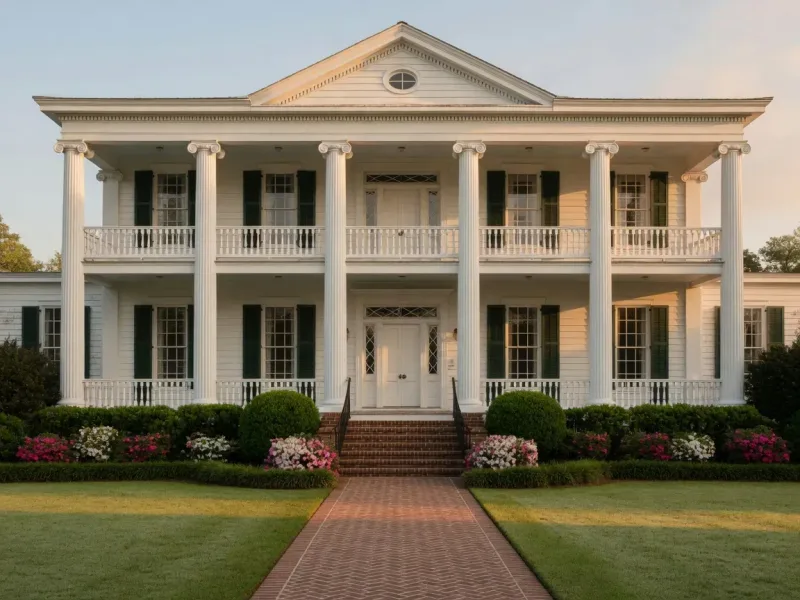
Homes in Summerville range from mansion-scale historic houses to more modest cottages, all sharing a common thread: character you rarely find in newer construction. Wraparound porches, tall windows, hardwood details, and mature oak trees define the streetscape. Because the district grew over many decades, architectural styles vary from block to block, from grand Southern forms to comfortable bungalows, and that variety is part of the neighborhood's charm.
What buyers should appreciate is craftsmanship. Older homes were often built with materials and methods that hold up remarkably well when maintained: solid framing, real woodwork, and proportions that newer builders rarely replicate. At the same time, character and maintenance go together. Roofs, plumbing, electrical, and HVAC systems may be original or near it, so a historic house asks for a realistic upkeep budget and a good eye for deferred maintenance.
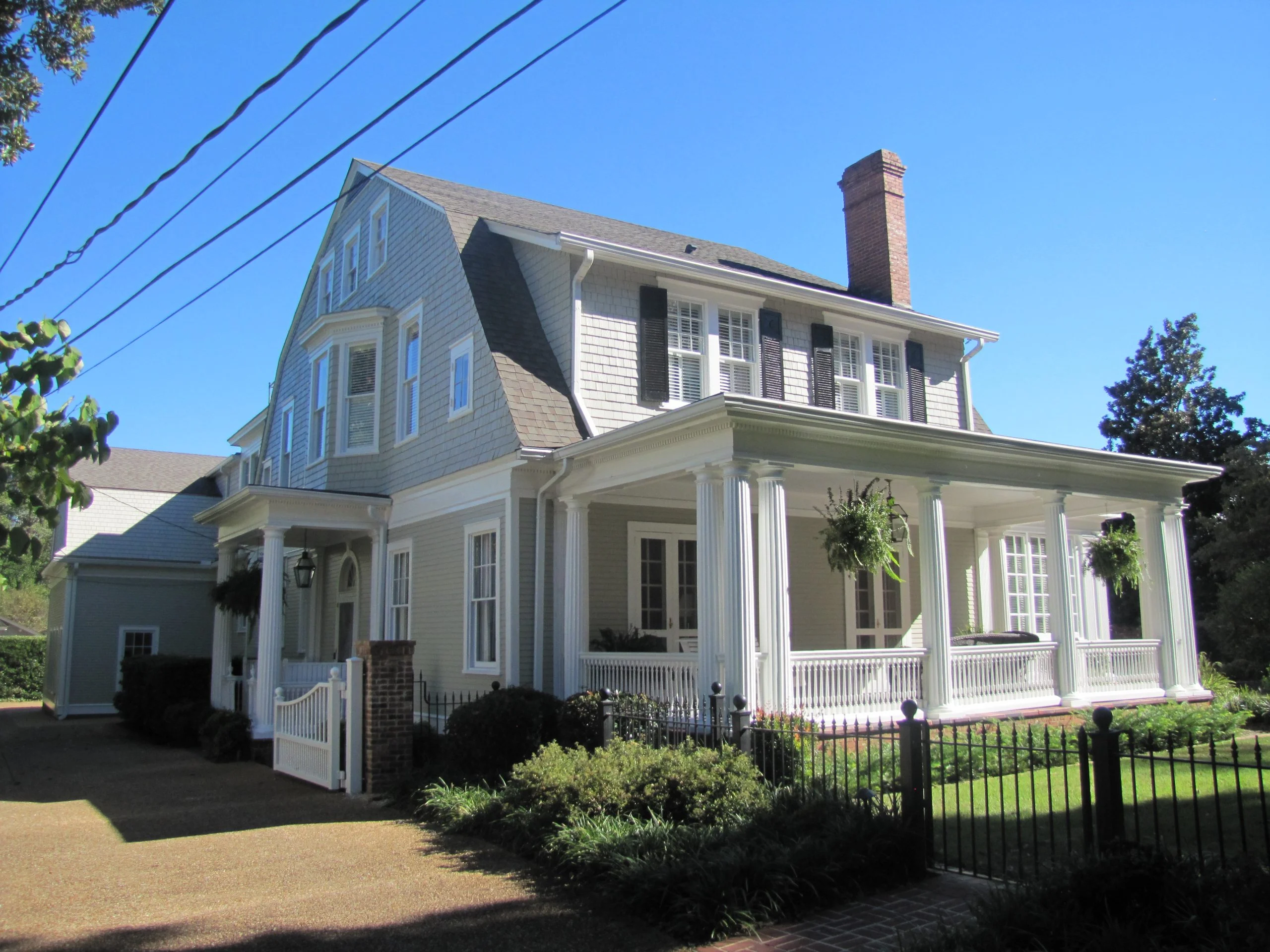
Historic home on Walton Way in the Summerville Historic District.
Neighborhood Character and Lifestyle in Summerville
Summerville has the feel of a village inside a city. Wide sidewalks, quiet residential streets, neighborhood parks and greenspaces, and a genuine sense of pride show up in the way homes are kept and the way neighbors use their porches. It is the kind of place where people live for decades, and where a morning walk past old oaks and columned porches is part of the routine.
For errands and meals, Surrey Center has served the neighborhood for generations at Highland Avenue, with local dining and coffee like Abel Brown Southern Kitchen & Oyster Bar and Rooted Coffeehouse. These are the kinds of places residents walk to, and they anchor the neighborhood's daily rhythm.
Walkability genuinely varies by street. The blocks near Highland Avenue, the Surrey Center, and the Augusta University campus are the most walkable, while other streets are beautiful but residential, and you will want a car for most errands and appointments. Before you choose a specific home, walk its actual block at the time of day you would actually walk it, and check the route to the coffee shop, the grocery store, and the school bus stop. For a broader list of what Augusta offers day to day, my things to do in Augusta GA guide is a helpful starting point.
What to Consider When Buying an Older Home in Summerville
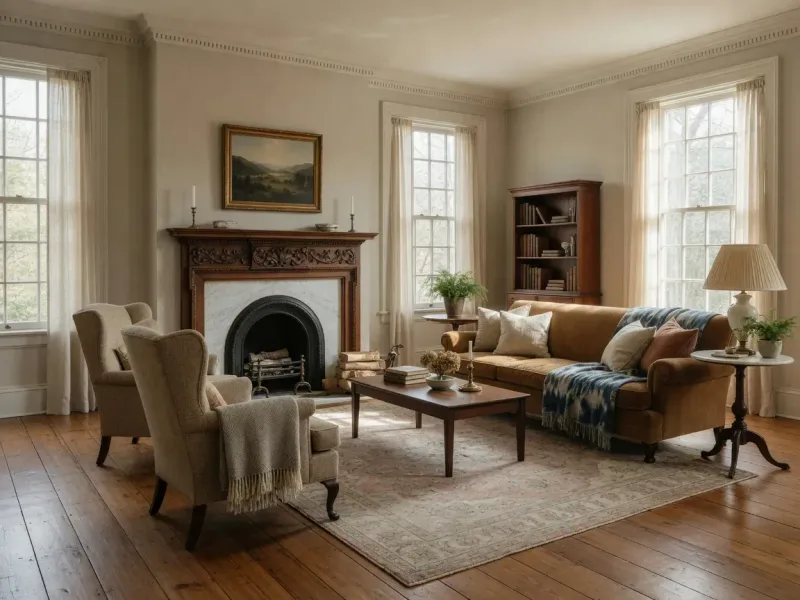
Buying an older home is more than a style choice; it is a maintenance commitment. The buyers who are happiest in Summerville go in with clear eyes on the systems, the renovation reality, and the rules that may apply to exterior changes. Here is what to plan for.
Start with a Thorough Home Inspection
A home inspection is non-negotiable in an older neighborhood. Focus on the roof and its age, the foundation and any settling, the HVAC system, the plumbing, and the electrical panel and wiring. Older homes may also have insulation gaps, aging windows, and drainage issues that only show up in person. Bring in specialized inspectors for anything the general report flags, because these are the systems that shape your budget for years. My guide to inspecting an older home walks through exactly what to check before closing.
Plan for Lead Paint and Other Older-Home Considerations
Homes built before 1978 may contain lead-based paint, and federal law requires sellers to disclose what they know through the Lead-Based Paint Disclosure. If the home was built before that year, ask for the disclosure and the available records, and factor lead-safe renovation practices into any remodeling. The same diligence applies to aging wiring, older plumbing, and heating systems that may be at or past their useful life. None of these should scare you away, but they should be priced into your offer and your reserve fund.
Renovation Realities: Budget Beyond the Purchase Price
Renovating a historic home costs more than renovating a newer one, and it usually takes longer. Period-appropriate windows, trim, and materials are expensive, and rooms built for an earlier era do not always adapt cheaply to modern kitchens and baths. Get contractor estimates before you make an offer where possible, and keep a healthy buffer for surprises behind the walls. The house will reward the investment, but only when the budget is honest from the start.
Historic-District Rules and Design Review
Historic character comes with oversight. If a Summerville home sits within a local historic district, exterior changes such as windows, paint colors, roofing materials, additions, and some landscaping may need approval through the city's design review and the Historic Preservation Commission. A National Register listing alone is an honorary recognition and does not impose local restrictions, so the key question is what local ordinance applies to the specific address. Verify current requirements with the City of Augusta and the Historic Preservation Commission before you plan renovations, and ask your agent to flag any known restrictions on the property. Buyers in other local historic districts go through the same verification, as I explain in my guide to historic-district rules for downtown buyers.

The Alan Fuqua Center, Augusta University Summerville campus.
Location and Commute: Downtown, Employers, Hospitals, and Schools
Summerville's location keeps the essentials close. Downtown Augusta, the riverfront, the Augusta Canal area, and the city's medical and education employers are a short drive away, and Augusta University's health system and other major hospitals sit within easy reach of the neighborhood. Fort Eisenhower is also accessible from the area, which makes Summerville part of the conversation for relocating professionals and military families. The neighborhood is roughly two to two and a half miles from Augusta National Golf Club, which gives the area its own rhythm during Masters week each spring.
For families, school assignments are determined by address, and attendance zones can change, so verify the assignment for the exact home with the school district before you make an offer. My relocation guide to Augusta GA schools explains how to research zones properly, and my moving to Augusta GA guide covers neighborhoods, commute patterns, and daily life across the city.
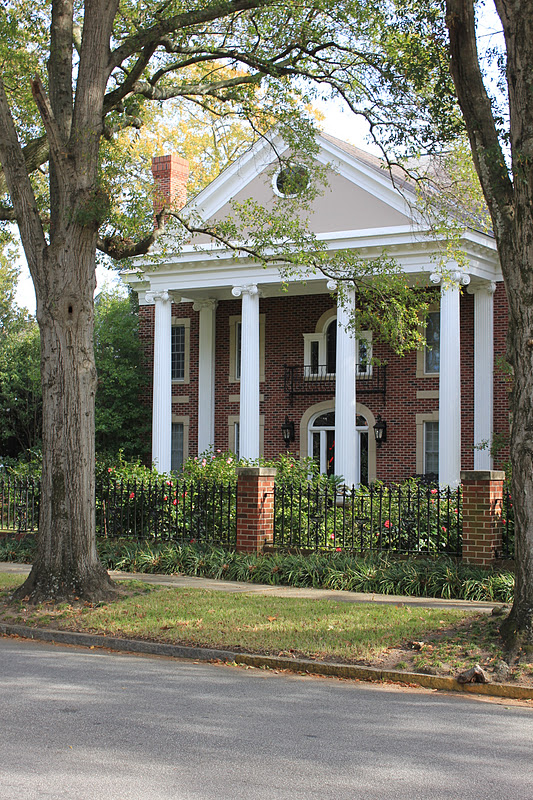
Historic home on Walton Way in the Summerville Historic District.
Is Summerville the Right Neighborhood for You?
- Buyers who value history and character and who enjoy an older home's craftsmanship more than a blank-canvas new build.
- Professionals close to downtown, Augusta University, and the city's medical and employment centers.
- Buyers prepared for maintenance, with a realistic budget for systems, roofs, and period-appropriate updates.
If you prefer new construction, large acreage, or a quieter suburban layout, Summerville may not be the right shape, and there is nothing wrong with that. Buyers often compare it with other historic districts in the region, including downtown Aiken's historic living and downtown Augusta living, and the right answer depends entirely on your routine and your goals.

Frequently Asked Questions About Living in Summerville
Is Summerville a historic district in Augusta GA?
Yes. Summerville, locally known as The Hill, is listed on the National Register of Historic Places, with the district recognized in 1980 at roughly 730 acres. A National Register listing honors the area's historical character, but it is not the same as a local design-review ordinance. If exterior changes matter to you, confirm any applicable district rules with the City of Augusta and the Historic Preservation Commission.
What is it like to live in Summerville?
Summerville is a quiet, established neighborhood of tree-lined streets and older homes that range from grand historic houses to modest cottages. It sits just northwest of downtown Augusta, close to Augusta University's Summerville campus and the Surrey Center shops and restaurants. It suits buyers who value character, history, and a walkable feel over new construction.
Is Summerville walkable?
It depends on the street. The blocks near Highland Avenue, the Surrey Center, and the Augusta University campus are the most walkable, with sidewalks and places you can reach on foot. Many other streets are beautiful but residential, and you will still want a car for most errands, schools, and appointments.
What should I check before buying an older home in Summerville?
Start with the systems: a thorough home inspection covering the roof, foundation, HVAC, plumbing, and electrical, and ask about lead paint, aging wiring, and insulation. Budget realistically for maintenance and updates, and confirm which historic-district rules and design review may apply to exterior changes before you plan any renovations.
Do historic-district rules limit what I can change on a Summerville home?
They can. Some older neighborhoods sit within local historic districts where exterior changes, from windows and paint to additions, may need approval through the city's design review and the Historic Preservation Commission. The National Register listing alone does not impose those restrictions, so verify the rules for the specific address with the City of Augusta before you commit.
The Bottom Line
Summerville rewards buyers who come prepared. The neighborhood asks for a real maintenance budget, respect for its historic character, and a clear-eyed view of what recent sales say a home is worth. In return, it offers the kind of walkable, tree-shaded, character-rich living that is genuinely hard to find anywhere else in Augusta.
Make the decision about fit before you make the decision about price. When the character suits you and the numbers make sense, that is a home worth competing for.
Ready to Tour Summerville?
Buying an older home takes the right inspections, the right budget, and the right local guidance. I will help you compare Summerville with the CSRA neighborhoods that fit your life, and I will be straight with you about maintenance, historic rules, and value.
Linda Limehouse, REALTOR® | Meybohm Real Estate
First AI-Certified Realtor® in the CSRA
Call or text: 803-278-1800
Office: 803-278-4437
Licensed in SC: 67440 & GA: 323267
Serving Augusta, North Augusta, Aiken, and the greater CSRA.
Reviewed by Linda Limehouse, REALTOR®. Licensed in South Carolina and Georgia. More than 20 years of CSRA real estate experience.