

Linda Limehouse
AI-Certified Realtor · Meybohm Real Estate
Aiken SC · North Augusta SC · Augusta GA
How to Price Your Home to Sell in the CSRA: The Strategy Behind the Number
Aiken SC North Augusta SC Augusta GA Home Pricing Pricing Strategy Sellers Comparative Market Analysis Home Value CSRA
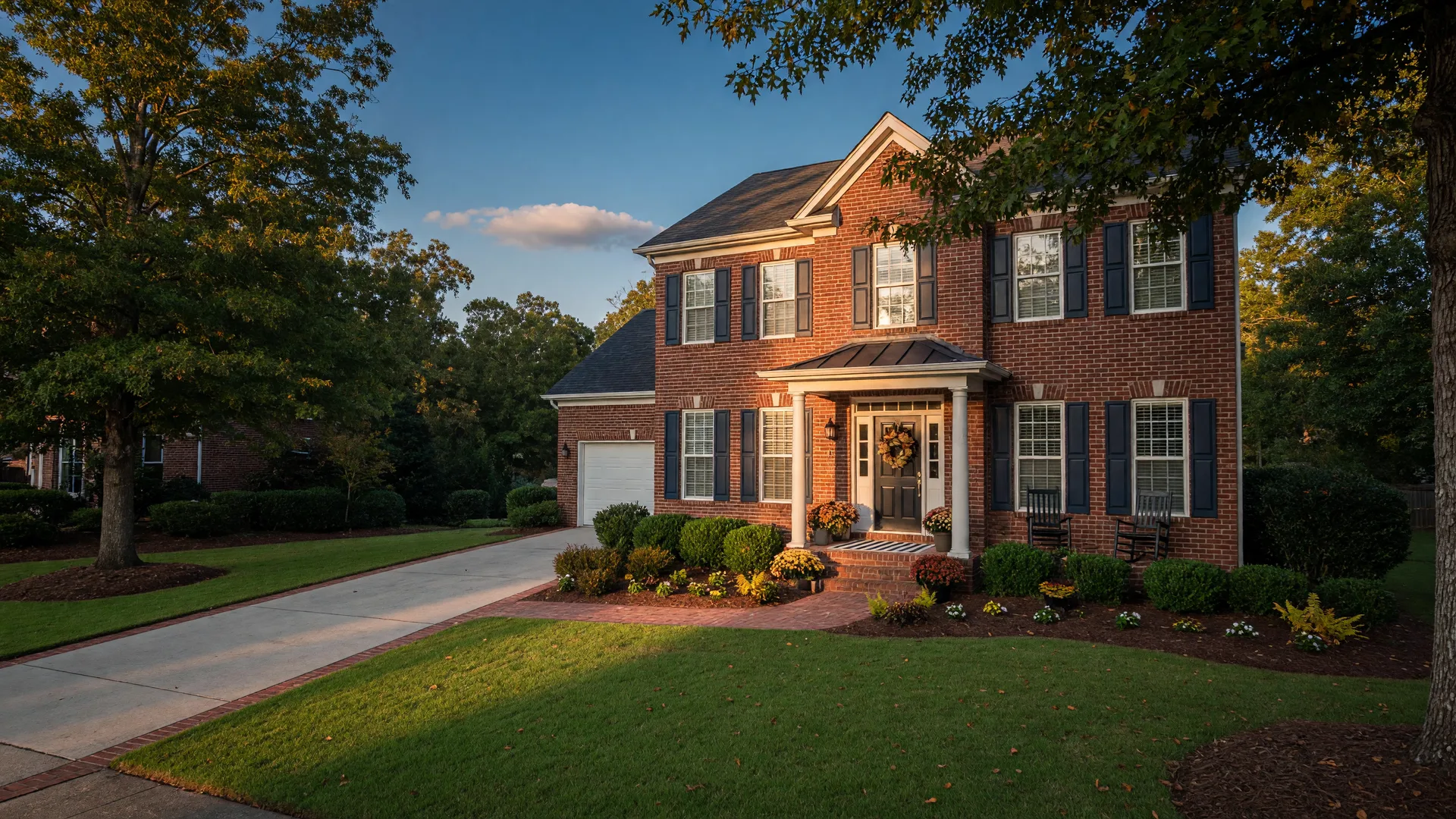
Setting the right listing price is the single most important decision you will make when you sell your home. I have priced homes across Aiken SC, North Augusta SC, and Augusta GA for more than 20 years, and the number on the listing sheet shapes everything that follows: who sees the home, how buyers feel about it before they ever walk through the door, how many offers you receive, and what you ultimately walk away with. This guide explains how pricing really works in the CSRA and why a fair, well-supported price is almost always the fastest path to the best outcome.
The hardest part for most sellers is emotional. You have made memories in this home, you have cared for it, and you want it valued the way you value it. I understand that completely, and I would never ask you to ignore it. But a listing price is not a statement of what your home means to you. It is a message to the market, and the market reads it in the first seconds of an online search.
Key Takeaways
- Buyers in Aiken, North Augusta, and Augusta shop by price range online, so your price determines who ever sees the home.
- Overpricing rarely leaves room to negotiate. It tends to mean fewer showings, longer days on market, and a price cut that makes buyers cautious.
- A comparative market analysis, built on recent closed sales in your neighborhood, is the foundation of a defensible price.
- The CSRA spans two states with different taxes and insurance, and buyers compare homes across the river, so local pricing judgment matters.
- AI-powered analysis can reveal market patterns faster, but it works best paired with a local agent who knows the streets and the buyers.
In This Guide
Why the Price Is Your Most Important Marketing Decision
Think about how buyers actually find homes today. They open a search portal, enter a price range, and scroll. A home priced just above the top of a buyer's range simply does not appear in their search. That is not a mystery of the market, it is just how the filters work. Your listing photos get buyers in the door, but your price is what gets the listing in front of them at all.
In the CSRA, most buyers are searching on both sides of the Savannah River. They compare a home in North Augusta against a home in Augusta, and a ranch in Aiken against a similar ranch in Evans. They are price-conscious, well-informed, and they have a strong sense of what a dollar buys in each community. When your price matches what the market tells them your home is worth, the listing reads as credible, and credible homes get toured.
There is also the freshness factor. A newly listed home gets the most attention in its first weeks on market. That early window is when showing traffic is highest and when a well-priced home can generate multiple buyers and genuine competition. The price sets the stage for that window, and the window is not forgiving.
The Hidden Cost of Overpricing
Here is the honest truth I share with every seller who wants to start high to "test the market": overpricing usually costs more than it protects. When your home is priced above its supported range, buyers do not simply make a lower offer. They compare it against homes that genuinely justify the higher number, and your home comes up short. They tour it as a comparison, not with intention, and they move on.
- Fewer showings. The listing sits outside the budgets of the most serious buyers, so activity slows quickly.
- Longer days on market. As the weeks pass, the listing loses the freshness that creates urgency.
- The price cut problem. When the price eventually comes down, buyers see the history, and a reduced price can raise questions about the home's condition or the seller's motivation.
- Opportunity cost. Every week on market is a week your next chapter is on hold, whether you are moving, building, or relocating.
The more productive approach is to start at a price the market supports and let the home's condition and presentation create the upside. A motivated buyer who sees a fair price and a well-cared-for home is far more likely to put their best offer on the table than a buyer who has been told the home is worth more than the evidence shows. If you want to understand the full picture before you decide, your guide to what determines home values in the CSRA walks through location, condition, and market timing in detail.
What Actually Sets a Listing Price
A listing price should be built from evidence, not hope. The best evidence is what buyers have actually paid for homes like yours, recently, in your neighborhood. That is the job of the comparative market analysis, the CMA, that every professional agent prepares before a listing goes live. My home value guide for Aiken, North Augusta, and Augusta explains how it works from a homeowner's perspective.
What a Comparative Market Analysis Really Tells You
A good CMA looks at three groups of homes: recently sold homes that are genuinely comparable to yours, homes currently for sale that you are competing with, and homes that are pending, which show what buyers are choosing right now. Then it adjusts for the differences that matter: square footage, condition, lot size, updates, garage space, and the specific character of the street. Two homes in the same neighborhood can support very different prices, and a thoughtful analysis is what separates a defensible number from a guess.
The most important section of the CMA is the sold column, not the asking price column. What sellers hope to get and what buyers actually pay can be two different things, and the market settles disputes in favor of closed sales. A skilled agent also knows the caveats: a sale from months ago may be stale if the neighborhood has shifted, and a distressed sale may not be a fair comparison to a well-maintained home.
When Appraisals Enter the Picture
Buyers who finance a home will have it appraised, and the appraiser works from recent closed sales too. A listing price far above what closed sales support does not just slow the market, it can create an appraisal gap that complicates the sale later. If the appraised value comes in below the contract price, the buyer may need to make up the difference or the deal may need to be renegotiated. Pricing responsibly at the start protects your sale from the middle of the process all the way to the closing table.
Pricing Across the Two-State CSRA Market
One of the most common mistakes sellers make in the CSRA is pricing their home as if the market stopped at the county line. It does not. Buyers in this area routinely compare Aiken County and Richmond County, North Augusta and Augusta, and they know the trade-offs: property tax structures differ between South Carolina and Georgia, insurance costs can vary near the river, and commute times to employers and to Fort Eisenhower factor into every comparison.
That means the pricing conversation is not just about your home. It is about how your home stacks up against everything else a buyer could choose on either side of the river. A home priced with no market support in its own state looks unreasonable to a buyer who has spent a weekend touring both sides. Working with an agent who prices homes in South Carolina and Georgia every week, as I do through Meybohm Real Estate, means the number on your listing already accounts for the comparison buyers will run the moment they see it.
My guide to reading a CSRA market report is worth a look here too, because it explains the numbers agents watch: median price, months of inventory, and days on market. Those are the same numbers that tell us whether your neighborhood favors a firmer price or a more conservative one.
How AI Sharpens the Pricing Picture
This is where my approach to pricing differs from what you will find with most agents. As the CSRA's first AI-Certified Realtor, with training through the Krem Institute of Artificial Intelligence, I bring AI-powered analysis to the pricing conversation. AI can process a volume of listing data, price movements, absorption rates, and showing patterns far faster than manual review, which means we can spot the early signals in a neighborhood before they become obvious to the whole market.
Beyond the Headlines: Using Data With Judgment
Here is what I tell every seller: AI is a powerful assistant, not a replacement for local judgment. It can tell us that homes in a certain range are lingering or that a particular price point is drawing traffic, but it does not know that the home on the corner has a creek in the backyard or that the new development down the road just changed the neighborhood's character. That is where 20 years of walking CSRA streets comes in.
My A.I. Listing Advantage pairs both layers. The technology helps position your listing to reach more qualified buyers and sharpens the pricing and marketing strategy, and the local experience makes sure the strategy fits your actual home and your actual neighborhood. If you would like to understand how that works in practice, my A.I. Listing Advantage page explains the method, or read about how AI marketing compares to the traditional approach.
The Client-Friendly Takeaway
Pricing a home well is not about being brave or being conservative. It is about being accurate. A price built on recent closed sales, honest condition, and a real understanding of the two-state CSRA market gives you the three things every seller wants: strong showings in the first weeks, serious buyers who make real offers, and a transaction that moves smoothly from contract to closing.
If you are tempted to list high "just to see," I will gently ask you to consider the cost of that experiment. The market does not reward hope, but it does reward preparation. And when the number is right from the start, you are never chasing the market, you are leading it.
Before you list, know this: your home is worth the number that evidence supports, not the number a wishful look at the neighbors' asking prices suggests. The asking prices on your street are not sales. The sales are the truth, and I can show you both.
Linda's Local Insight
After more than 20 years pricing homes across Aiken, North Augusta, Augusta, and the surrounding CSRA, I can tell you the market behaves neighborhood by neighborhood, not city by city. Two near-identical homes can behave differently two streets apart, because buyers weigh commute, schools, lot character, and the feel of the street differently. That is why I never hand sellers a price pulled from a map. I compare homes like yours that have actually closed, walk the neighborhoods, and watch what buyers are choosing right now.
The AI tools I use through my Krem Institute certification let me watch new listings, price shifts, and absorption in real time across the CSRA, which means you get a pricing picture that is current, not last quarter's instinct. But the final number always comes from a conversation with you, about your home, your goals, and your timeline.
If you are thinking about selling, the most useful thing you can do is get an honest pricing conversation early so you can plan with real numbers. That costs you nothing and it changes how you think about the whole process.
Wondering what your home is worth before you list?
Let us build a pricing picture together, with real closed sales from your neighborhood, current market conditions on both sides of the river, and the AI-powered market analysis I bring to every listing. No pressure, just clear numbers and a plan that fits your timeline.
Linda Limehouse | First AI-Certified Realtor® | Meybohm Real Estate
Licensed in SC & GA
Serving Aiken, North Augusta, Augusta, and the greater CSRA.
Frequently Asked Questions
What price should I list my home at in the CSRA?
The right listing price is the one the market will support, and the best way to find it is a comparative market analysis from a local agent. That means comparing homes like yours that have actually sold recently in Aiken, North Augusta, or Augusta, adjusting for condition, lot, updates, and location, and then deciding on a strategy for how to position the home. There is no single formula, which is why local context matters so much.
Won't a higher list price leave room for negotiation?
It sounds logical, but it usually does the opposite. A home priced above its market range gets compared to homes that genuinely justify the higher number, and buyers who are ready to act tend to move on. The result is fewer showings, longer days on market, and ultimately a price reduction, which makes buyers wonder why the home has been sitting. A fair starting price invites real offers from real buyers.
How long does a correctly priced home take to sell?
There is no guaranteed number, and anyone who promises one should not be trusted. What I can tell you from two decades of CSRA sales is that a well-priced home in good condition tends to attract its strongest showing activity early, often in the first couple of weeks, while a home priced above the market can sit quietly and lose the freshness that creates urgency. Your timeframe depends on price range, neighborhood demand, season, and condition.
Do I need to pay for an appraisal before I list?
No. An appraisal is typically ordered by the buyer's lender after an offer is accepted, and it is based on recent closed sales. The tool for setting a listing price is the comparative market analysis your agent prepares, not a formal appraisal. If your home has unusual features or you are unsure how it compares, a pre-listing appraisal can be useful, but it is not a required step for most sellers.
Does pricing work differently in South Carolina versus Georgia?
The fundamentals are the same: buyers compare your home to recently sold homes. But the two-state CSRA market adds texture. Property tax structures differ between South Carolina and Georgia, insurance costs can vary along the river, and buyers on one side of the line often know the other side well. A price that has no market support on either side of the river gets exposed quickly, so it helps to work with an agent who prices homes in both states every week.
Explore More
These resources can help you prepare to sell with confidence:
- Understanding CSRA Home Values : the key factors that determine what your home is worth in Aiken, North Augusta, and Augusta.
- Staging Your Home for Sale : how presentation supports a fair price and fast showings.
- Should You Get a Pre-Listing Home Inspection? : an inspection before you list helps you price honestly and negotiate with confidence.
- The Selling Guide : step-by-step seller support from pricing through closing.
Reviewed by Linda Limehouse, REALTOR®. Licensed in South Carolina and Georgia. More than 20 years of CSRA real estate experience.
SC License: 67440 | GA License: 323267