

Linda Limehouse
AI-Certified Realtor® · Meybohm Real Estate
Aiken SC · North Augusta SC · Augusta GA
Property Taxes in Aiken County: What New Residents Need to Know
Aiken County SC Property Taxes 4% Owner-Occupied Rate Homestead Exemption New Residents Relocation
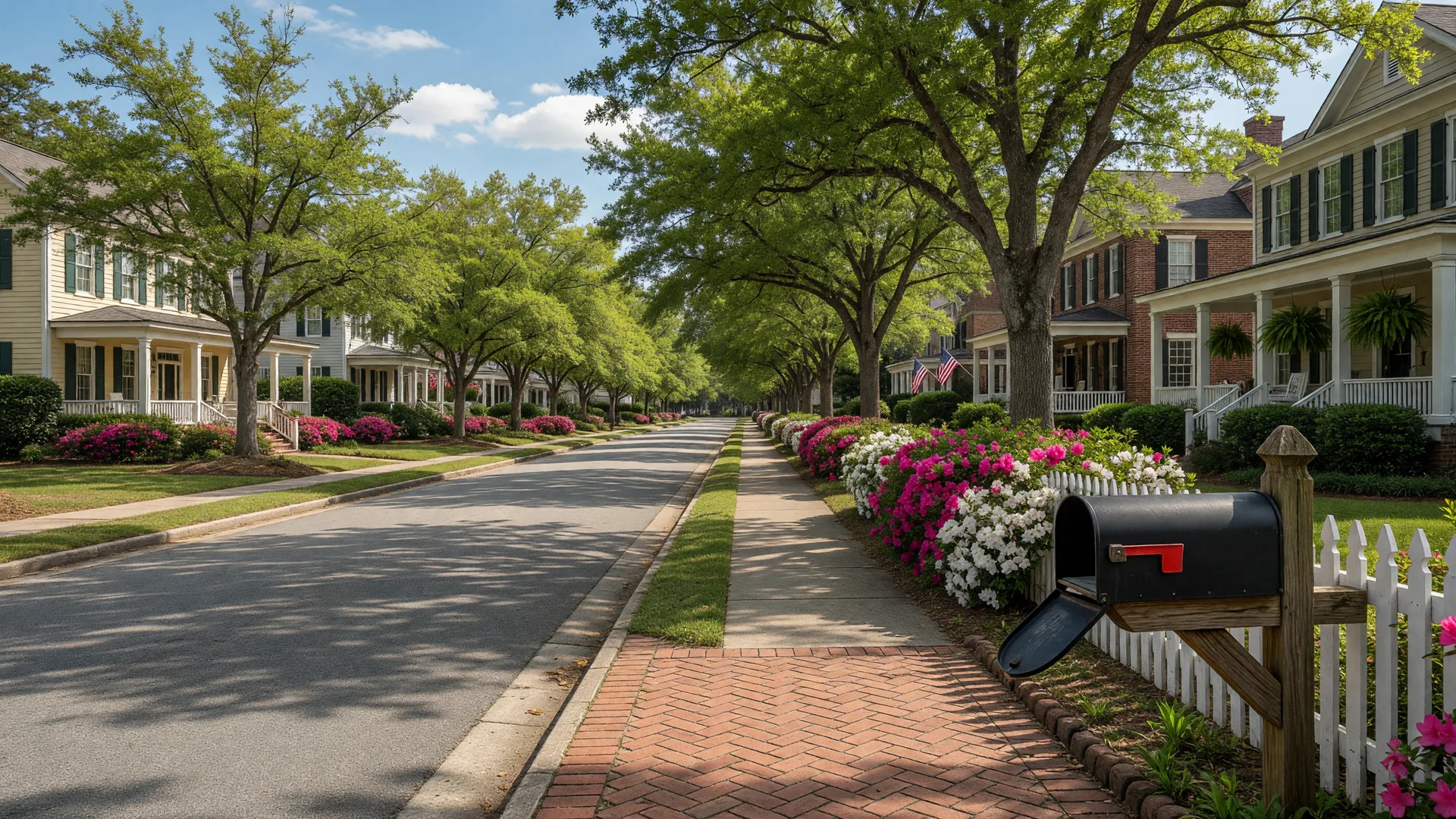
Property taxes in Aiken County come down to three things: the classification of your home, the value the county places on it, and the exemptions you are eligible for. For new residents moving from another state, the South Carolina system works differently than many others, and a few simple steps taken right after closing can lower your bill for years.
This guide explains how Aiken County property taxes work, why the owner-occupied 4 percent rate is so important, which exemptions to ask about, and the specific questions you should bring to the Aiken County Assessor's office. The figures here are general on purpose; your exact bill depends on your home, your neighborhood, and the current millage rate, so you will want a county professional to confirm the numbers for your situation.
Key Takeaways
- Owner-occupied primary residences in South Carolina are assessed at 4 percent of fair market value; second homes and rentals are assessed at 6 percent.
- The 4 percent rate is not automatic. You file an application with the Aiken County Assessor's office once you own and occupy the home.
- Aiken County reassesses values on a five-year cycle. The most recent reassessment took effect in 2023, with the next scheduled for 2028.
- Separate exemptions exist for seniors, homeowners with disabilities, and veterans, filed through the county auditor or assessor depending on the benefit.
- Ask the county directly about your property, your exemptions, and any upcoming rate changes. That is the only way to get the exact picture.
What This Guide Covers
How Do Property Taxes Work in Aiken County?
In South Carolina, the property tax bill on your home is calculated from two numbers: the assessed value of the property and the millage rate in your tax district. The assessed value starts with the fair market value of the home, which is then multiplied by an assessment ratio that depends on how the property is classified. That assessed value is multiplied by the millage rate, which is set by the county, the school district, and any city or special districts that serve your address.
For most homeowners, the good news is that much of this happens behind the scenes. Your mortgage lender typically collects a portion of your estimated taxes each month in an escrow account and pays the bill for you. But the underlying numbers still matter, because they determine how much of your monthly payment goes to taxes, and they can change when values are reassessed or when a new millage is approved by voters.
Why the Owner-Occupied 4% Rate Matters
The single most important property tax detail for new residents is the owner-occupied classification. In South Carolina, a home that is your primary residence, your legal residence, is assessed at 4 percent of its fair market value for tax purposes. Second homes, rental properties, and investment properties are assessed at 6 percent. That two-point difference can amount to hundreds of dollars a year on a typical home, so it is well worth getting right.
The 4 percent rate is not applied automatically. You must file an application with the Aiken County Assessor's office, and you should do it as soon as you move in, because the tax year you miss may not be recoverable later. The application confirms that you own the home and that you occupy it as your legal residence, and it generally only needs to be filed once unless the deed or the use of the property changes.
When you buy, ask whether the current owner is already claiming the owner-occupied rate. If they are not, or if the property was a rental, your closing agent should make sure the classification gets corrected on your behalf. I walk every buyer through this step before closing so there is no gap in coverage.
How Is Your Home's Value Determined?
The county assessor's office maintains a fair market value for every parcel in Aiken County. This value is meant to reflect what the property would sell for under normal conditions, and it is updated on a countywide reassessment cycle. South Carolina reassesses properties every five years; in Aiken County, the most recent reassessment took effect in 2023, with the next scheduled for 2028.
Between reassessments, your value can still change if you make improvements to the home, if the property is damaged, or if the ownership changes. That last point matters for buyers: the seller's tax bill may reflect a value set years ago, before market prices rose, so the bill you see from the seller may be lower than what you will pay. When you are budgeting, ask what the taxes would be at your purchase price rather than simply assuming the seller's current bill carries over.
If you are buying a newly built home, expect the value to be adjusted once construction is complete and recorded. Many builders are upfront about the estimated taxes, but the practical number often arrives after reassessment, so it is wise to budget some flexibility in the first year or two.
What Exemptions Should New Residents Ask About?
Beyond the 4 percent classification, Aiken County and the state of South Carolina offer exemptions that remove part of a home's value from taxation for qualifying homeowners. The rules and amounts are set by state law and can change from year to year, so treat the following as the questions to ask rather than the final figures:
- Homestead exemptions for seniors and homeowners with disabilities. Homeowners who are 65 or older, totally and permanently disabled, or legally blind may qualify for an exemption that removes a portion of their home's value from taxation. In Aiken County this is filed through the Aiken County Auditor's office, and the exempt amount is adjusted by the legislature, so confirm the current figure when you apply.
- Veteran exemptions. South Carolina offers property tax reductions for qualifying veterans with service-connected disabilities, with higher benefits available in some cases. Eligibility and amounts depend on the disability rating and county, so check with the assessor's office.
- Active-duty military provisions. If you are stationed elsewhere and own a home in South Carolina, special rules may affect your classification. Military families relocating to Fort Eisenhower should ask how their status applies to an Aiken County home.
The pattern is the same for every benefit: eligibility is specific, the paperwork matters, and the deadlines can be unforgiving. A single phone call to the county can confirm what applies to your household and what does not.
Questions to Ask the County Assessor
Before you close, and again shortly after you move in, it is worth a call to the Aiken County Assessor's office. Here are the questions I recommend every new resident ask:
- What classification applies to this property? Is it currently assessed at the 4 percent owner-occupied rate, and if not, how do I apply?
- What is the current assessed and fair market value on record? This tells you whether the seller's bill reflects today's market or an older value.
- When is the next countywide reassessment? Knowing the cycle helps you predict when your value, and your bill, may change.
- Which exemptions am I eligible for, and where do I file? Some are filed with the assessor, others with the auditor, so get the exact process for each.
- Are there upcoming millage changes or bond referendums? Voter-approved measures can change the rate that applies to your bill.
- Will new construction change my value in the first year? If the home is new or recently renovated, the recorded value may still be catching up.
The Aiken County Assessor's office is at the Aiken County Government Center, 1930 University Parkway, Suite 2400, Aiken, SC 29801, and can be reached at 803-642-1583. The county's taxpayer resources are published at aikencountysc.gov/280/Assessor. The Aiken County Auditor's office, which handles exemptions and tax bills, is in the same government center and can be reached at 803-642-1510.
Linda's Local Insight
Linda Limehouse
AI-Certified Realtor® · Meybohm Real Estate
Over the years I have watched too many new residents learn about the 4 percent owner-occupied rate a year after closing, when the correction is harder to recover. It is a simple application, and the county assessor's office is genuinely helpful about walking homeowners through it. The buyers who ask early never have to chase it later.
I also encourage out-of-state buyers to unlearn their assumptions. States tax homes in very different ways, and South Carolina's assessment system, with its classification rates and five-year reassessment cycle, is its own animal. What a buyer knew about taxes in Ohio or California rarely transfers cleanly to Aiken County.
When we tour homes, I can show you the tax history on a property and help you estimate your bill at your purchase price, so the escrow figure your lender calculates comes as no surprise on your Loan Estimate.
Your Takeaway
- Apply for the 4 percent owner-occupied rate early. It applies to your primary residence only, and it is not automatic.
- Budget at your purchase price, not the seller's bill. The county value may catch up to today's market on the next reassessment.
- Ask about exemptions for seniors, disabilities, and veterans. Each has its own filing path, so get the exact process from the county.
- Confirm the details with the county. Millage rates, exemption amounts, and reassessment timing all change, and the assessor's office is the authoritative source for your property.
- Compare before you cross the river. If you are weighing Aiken County against Augusta or Evans in Georgia, the tax structures differ meaningfully, and a side-by-side comparison belongs in your decision.
Frequently Asked Questions
What is the 4 percent owner-occupied rate in Aiken County?
South Carolina assesses an owner-occupied primary residence at 4 percent of its fair market value for tax purposes, while second homes, rentals, and other residential property are assessed at 6 percent. To qualify, the home must be your legal residence and your primary home. You apply for this classification through the Aiken County Assessor's office.
How do I apply for the 4 percent owner-occupied rate?
File an application with the Aiken County Assessor's office as soon as you move in, because the rate is not automatic. You must own and occupy the property as your legal residence. Once approved, you generally do not need to reapply unless the deed or the use of the property changes. Call 803-642-1583 or visit the assessor's office at 1930 University Parkway in Aiken.
Is the homestead exemption the same as the 4 percent rate?
No. The 4 percent rate is the assessment classification for your primary residence, while the homestead exemption is a separate benefit that removes a portion of your home's value from taxation for qualifying homeowners who are 65 or older, totally and permanently disabled, or legally blind. In Aiken County, that benefit is filed through the Aiken County Auditor's office, and the exempt amount is set by state law and can change from year to year.
Will my property taxes go up after I buy?
Possibly. The seller's current bill is often based on a value from years ago, and your taxes are tied to the home's value at the time it is taxed, which may be closer to your purchase price. Aiken County also conducts countywide reassessments on a five-year cycle, with the most recent taking effect in 2023 and the next scheduled for 2028. Ask your agent or the county to estimate your bill at your purchase price.
Who do I contact for answers specific to my home?
Start with the Aiken County Assessor's office for assessment classification, value, and reassessment questions, and the Aiken County Auditor's office for exemptions and tax bills. A local lender and your agent can help you interpret the numbers for the specific home you are considering before you make an offer.
Related Resources
SC vs GA
Property Taxes in SC vs. GA
How the two states' rates, exemptions, and reassessment cycles compare for CSRA buyers.
Buying in Aiken
What Does It Really Cost to Buy in Aiken?
Down payments, closing costs, insurance, and ongoing ownership expenses in Aiken, SC.
Cost of Living
Cost of Living in Aiken SC (2026)
A breakdown of housing, taxes, utilities, and what it costs to live in Aiken.
Relocation
Moving to Aiken SC
Everything new residents need to know about neighborhoods, lifestyle, and settling in.
Moving to Aiken County?
I help relocating buyers across Aiken, North Augusta, and the CSRA understand the full cost picture, taxes included, before they make an offer. If you are comparing Aiken County with anywhere else in the area, let's put the numbers side by side.
Linda Limehouse
First AI-Certified Realtor® | Meybohm Real Estate
SC License: 67440 · GA License: 323267