

Linda Limehouse
AI-Certified Realtor® · Meybohm Real Estate
Aiken SC · North Augusta SC · Augusta GA
What Does It Really Cost to Buy a Home in Aiken, SC?
Aiken SC Down Payment Closing Costs Earnest Money Home Inspection Homeowners Insurance Property Taxes First-Time Buyers
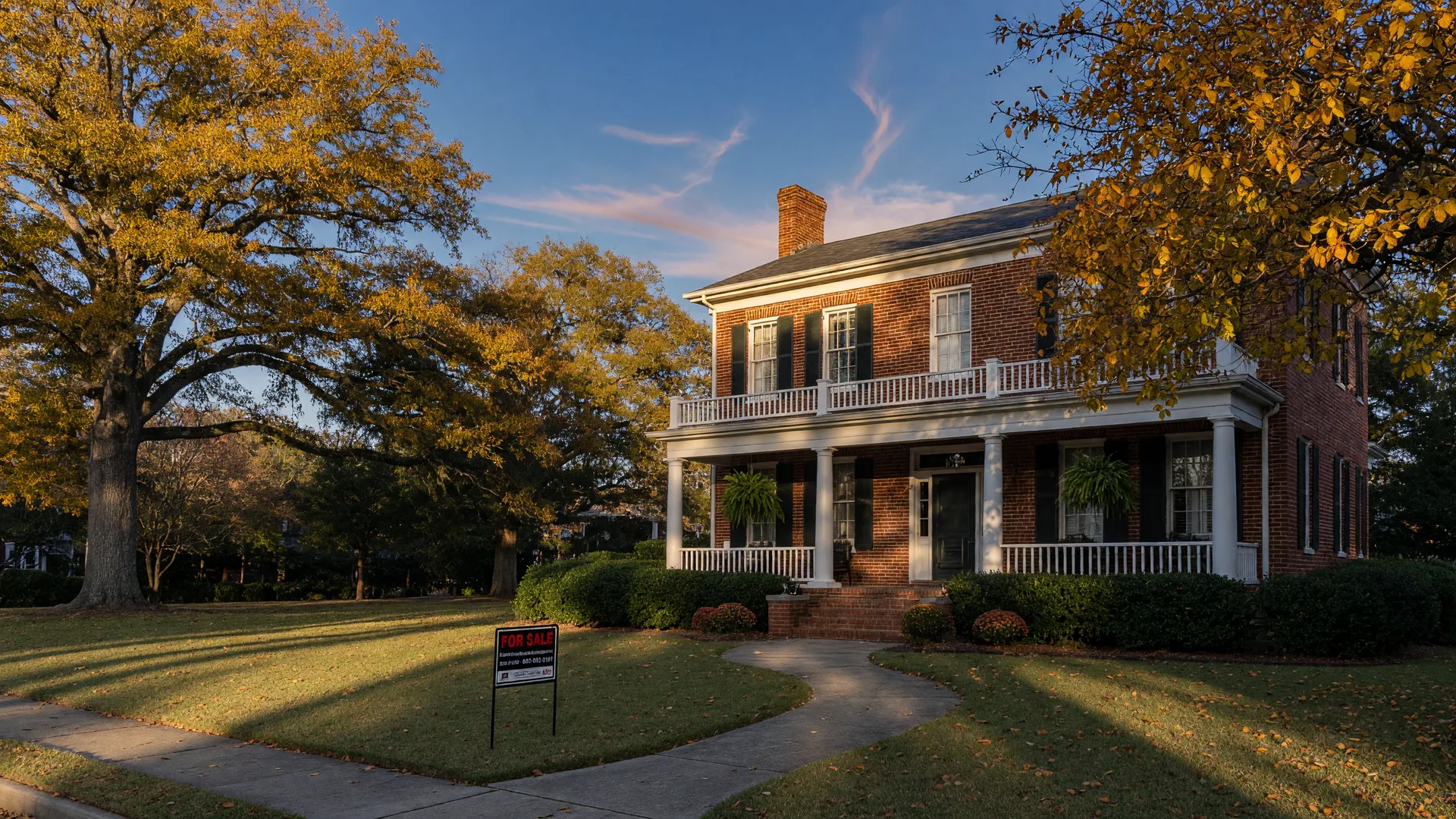
Buying a home in Aiken, SC, costs more than the price tag on the listing. Between the down payment, earnest money, closing costs, inspections, insurance, and the property taxes and upkeep that follow, first-time buyers are often surprised by how much cash they need beyond the purchase price itself.
The good news is that none of these costs need to be a mystery. With a clear, itemized picture of what to expect before you make an offer, you can budget with confidence and avoid scrambling for cash at the closing table. This guide walks through every major cost of buying a home in Aiken, with realistic ranges where they exist and a clear note about who to ask for exact figures.
Key Takeaways
- Down payments start as low as 3 percent on many conventional loans, 3.5 percent on FHA, and zero on VA and USDA loans for eligible buyers.
- Earnest money in the CSRA typically runs 1 to 3 percent of the purchase price and is credited toward your closing costs or down payment.
- Closing costs for buyers in the CSRA generally range from 2 to 5 percent of the purchase price.
- Plan for ongoing costs too: property taxes, homeowners insurance, utilities, maintenance, and HOA fees where they apply.
- Your lender and local professionals are the source for exact numbers, because every loan and every home is different.
What This Guide Covers
The Price Tag Is Only the Starting Point
When you shop for a home in Aiken, the list price is the headline number, but it is not the number that matters most on closing day. The full cost of buying includes what you pay before closing (the down payment, earnest money, inspection, and appraisal), what you pay at closing (lender fees, title work, and prepaid items), and what you pay every month after (property taxes, insurance, utilities, and maintenance).
A home that fits your price range can still strain your budget if the full picture is not planned for in advance. Breaking the cost down category by category makes the process much easier to manage, and it is exactly how I walk buyers through the numbers before they ever write an offer.
How Much Down Payment Do You Need?
Your down payment is the portion of the home price you pay upfront in cash, and it is usually the largest single cost on a buyer's checklist. The amount depends almost entirely on the loan program you choose:
- Conventional loans commonly allow as little as 3 percent down, with 20 percent avoiding private mortgage insurance.
- FHA loans require 3.5 percent down and are popular with first-time buyers.
- VA loans offer eligible military buyers and veterans a zero-down option, a major advantage for families relocating to Fort Eisenhower.
- USDA loans also offer zero down for eligible buyers in qualifying rural areas, which may include parts of Aiken County.
If you put down less than 20 percent on a conventional or FHA loan, you will typically pay mortgage insurance, which is added to your monthly payment. A lender can show you exactly how each program changes your cash needed at closing and your monthly cost. If you are comparing mortgage options in more detail, my guide to how much home you can afford in Aiken walks through the full budget calculation.
What About Earnest Money?
Earnest money is a deposit you make when your offer is accepted. It tells the seller you are serious, and it is typically held in escrow until closing, where it is credited toward your down payment or closing costs. In the CSRA, earnest money deposits usually range from 1 to 3 percent of the purchase price, though the exact amount is negotiated as part of your offer.
Because earnest money is credited back to you at closing, it does not add to your total cost so much as it shifts when you pay. What matters is understanding the terms of the deposit, including what happens if the sale falls through. Your purchase agreement spells out the contingencies, such as inspection or financing, that protect your deposit.
Closing Costs in Aiken
Closing costs are the fees and prepaid expenses required to transfer the home into your name. They are separate from your down payment and are due at closing. In the CSRA, buyers most often see closing costs land between 2 and 5 percent of the purchase price. As a quick illustration, on a $300,000 purchase that range works out to roughly $6,000 to $15,000, depending on your loan, your lender, and the details of your transaction.
Common closing cost items include the loan origination fee, appraisal, credit report, title search and title insurance, closing or attorney fees, prepaid homeowners insurance, prepaid interest, and escrow deposits for future taxes and insurance. Every one of these will appear itemized on your Loan Estimate and your Closing Disclosure, so nothing needs to be a surprise. For a complete walkthrough, my article on understanding closing costs for CSRA buyers breaks down every line item and how to reduce it.
A few strategies can reduce your out-of-pocket total: asking the seller to contribute toward your closing costs, comparing Loan Estimates from multiple lenders, and timing your closing near the end of the month to lower prepaid interest. Your agent can help you build the request into your offer.
Inspections and Appraisals
An inspection is one of the most valuable checks a buyer can write. A thorough inspection by a licensed professional in the Aiken area typically costs between $300 and $500, depending on the size and age of the home. That fee buys you a detailed read on the roof, HVAC, electrical, plumbing, and structure, and it is your best defense against surprises after closing. Buyers may also add specialized inspections, such as septic or well checks on acreage properties, at additional cost.
The appraisal is ordered by your lender to confirm the home is worth the purchase price, and its cost is usually included within your closing costs. If the appraisal comes in below the contract price, you may need to renegotiate or make up the gap, which is why it is wise to budget a little flexibility. My guide on financial preparation for buying a home in the CSRA covers these steps in the order they happen.
Homeowners Insurance
Your lender will require homeowners insurance, and the first year's premium is typically paid at closing, with ongoing premiums collected through your monthly escrow. What you pay depends on the home's size, age, construction, and coverage level, plus where the home sits. Rates can vary meaningfully between a brick ranch and a larger frame home, so it pays to shop quotes.
Some properties, especially those near the Savannah River or in designated flood zones, may also require flood insurance. Your lender will tell you if flood coverage is required, and your insurance agent can quote it for you. My homeowners insurance guide for CSRA buyers explains what to compare and what surprises to avoid.
Property Taxes and Escrow
Property taxes in Aiken County are an ongoing cost that most buyers pay through their monthly mortgage escrow, with a portion collected at closing. In South Carolina, an owner-occupied primary residence is assessed at 4 percent of its fair market value for tax purposes, while second homes and investment properties are assessed at 6 percent. You apply for the lower owner-occupied rate through the Aiken County Assessor's office after closing, so it is easy to miss if no one tells you about it.
One point that surprises buyers: the seller's current tax bill is often based on a value set years ago, before home values rose. Your bill may be higher once the property is revalued, so it is wise to ask what the taxes will be at your purchase price rather than what the seller is paying today. I go deeper into the 4 percent rate, reassessment, and exemptions in my guide to property taxes in Aiken County for new residents. If you are also looking on the Georgia side of the river, my comparison of property taxes in SC versus GA shows how the two states differ.
What You Pay After You Move In
The purchase is finished, but the costs of ownership continue. Budgeting for these monthly and annual expenses is what separates a comfortable purchase from a stretched one:
Property Taxes
Paid through escrow each month, with the total based on the assessed value and the Aiken County millage rate in your area.
Homeowners Insurance
Also collected through escrow, with premiums that vary by the home and the coverage you choose.
Maintenance and Repairs
A common planning guideline is setting aside roughly 1 percent of the home's value per year, though actual costs depend on age, condition, and how handy you are.
Utilities
Electricity, water, and gas bills vary by home size, season, and usage. Cooling costs in the South Carolina summer are worth planning for.
HOA fees are the one item on this list that simply may not apply. Many Aiken neighborhoods have no homeowners association at all, while golf communities and newer developments often charge monthly or annual fees for amenities and common areas. Before you make an offer, ask whether the community has an HOA, what it covers, and what the current assessment is.
How to Get an Accurate Estimate
The ranges in this guide are planning tools, not quotes. The exact figures for your purchase depend on your loan program, your lender's fees, the purchase price, your insurance quotes, and the county tax records for the specific home. Here is where to get precise numbers:
- Your lender provides a Loan Estimate within three business days of application, itemizing your down payment, closing costs, prepaids, and estimated monthly payment.
- Your insurance agent can quote homeowners insurance for the specific home before you commit.
- The Aiken County Assessor's office can confirm the current assessed value, classification, and tax outlook for a property.
- Your closing attorney or title company produces the final itemized Closing Disclosure at least three business days before settlement.
My advice to every buyer is the same: build a small buffer beyond your estimates. Unexpected adjustments happen, and a cushion turns a stressful closing into a smooth one.
Linda's Local Insight
Linda Limehouse
AI-Certified Realtor® · Meybohm Real Estate
In more than 20 years of helping buyers across Aiken, North Augusta, and Augusta, the buyers who feel the most prepared are always the ones who asked about total costs before they started touring homes. Getting pre-approved does more than tell you what you can borrow; it tells you exactly what you will pay at closing and each month after.
I also remind every buyer to ask about the owner-occupied tax rate. In Aiken County, skipping the 4 percent application is one of the most common and most easily avoided mistakes I see, and it quietly raises a monthly payment for years. It takes one phone call to the county assessor's office to get it right.
If you are weighing your first home, a move-up, or a VA purchase, I will walk you through the numbers for the specific homes you are considering, so you make an offer you are genuinely comfortable with. If you have to hesitate on the math, it is probably not the right home.
Your Takeaway
- Plan for the price plus. Down payment, earnest money, closing costs, inspection, and insurance all come due before or at closing.
- Use realistic ranges. Earnest money of 1 to 3 percent, closing costs of 2 to 5 percent, and inspections of a few hundred dollars are reasonable planning figures in the CSRA.
- Budget for after closing. Property taxes, insurance, utilities, maintenance, and any HOA fees are part of the real monthly cost.
- Confirm exact figures. Your lender, insurance agent, the county assessor's office, and your closing attorney are the people with your precise numbers.
- Ask about the 4 percent rate. If this will be your primary residence in Aiken County, apply for the owner-occupied classification after closing.
Frequently Asked Questions
How much money do I need upfront to buy a home in Aiken SC?
You will need your down payment plus enough to cover closing costs. Down payments vary by loan program, while closing costs in the CSRA typically run two to five percent of the purchase price. A lender can give you a personalized estimate based on your price range, loan type, and timeline before you start touring homes.
Is earnest money refundable?
It can be, depending on the terms of your purchase agreement. Earnest money is typically held in escrow and credited toward your down payment or closing costs at settlement. If the contract falls through for a reason covered by your contingencies, such as inspection or financing, you may be entitled to a refund. Your agent can explain how the deposit is handled in your specific contract.
Do I need a full 20 percent down payment?
No. Many conventional loans allow as little as three percent down, FHA loans allow 3.5 percent, and VA and USDA loans offer zero-down options for eligible buyers. If you put down less than 20 percent on a conventional or FHA loan, you will typically pay private mortgage insurance until you build enough equity. Talk to a lender about which program fits your situation.
What ongoing costs should I budget for after closing?
Plan for property taxes, homeowners insurance, utilities, routine maintenance and repairs, and HOA fees where the community has them. Many homeowners set aside roughly one percent of their home value each year for maintenance, though actual costs depend on the age and condition of the home. Your lender can also confirm what your monthly escrow payment will cover.
When should I get an exact cost estimate?
As soon as you know your price range and preferred loan type. Your lender provides a Loan Estimate within three business days of your application, and your closing attorney or title company itemizes the final settlement costs on your Closing Disclosure. A lender, a local real estate attorney, and your agent can all help you confirm the exact figures for your situation.
Related Resources
Budgeting
How Much Home Can You Afford in Aiken?
A practical guide to calculating your home buying budget, down payment options, and the 28/36 rule.
Closing Costs
Understanding Closing Costs for CSRA Buyers
What each closing cost covers, how loan types differ, and how to reduce what you pay at settlement.
Property Taxes
Property Taxes in Aiken County for New Residents
The 4 percent owner-occupied rate, assessment, exemptions, and questions to ask the county assessor.
First-Time Buyers
Financial Preparation for Buying a Home
Getting your finances in shape before you start the home buying process in the CSRA.
Want the Real Numbers for Your Purchase?
Whether you are buying your first home in Aiken, moving up, or relocating to the CSRA, I will help you build a complete cost picture before you make an offer. No pressure, just honest local guidance from someone who has helped buyers close for more than 20 years.
Linda Limehouse
First AI-Certified Realtor® | Meybohm Real Estate
SC License: 67440 · GA License: 323267