

Linda Limehouse
AI-Certified Realtor® · Meybohm Real Estate
Aiken SC · North Augusta SC · Augusta GA
Buying Horse Property in Aiken: 10 Things to Check Before Making an Offer
Aiken SC Horse Properties Zoning Fencing Drainage Barns Acreage Equestrian
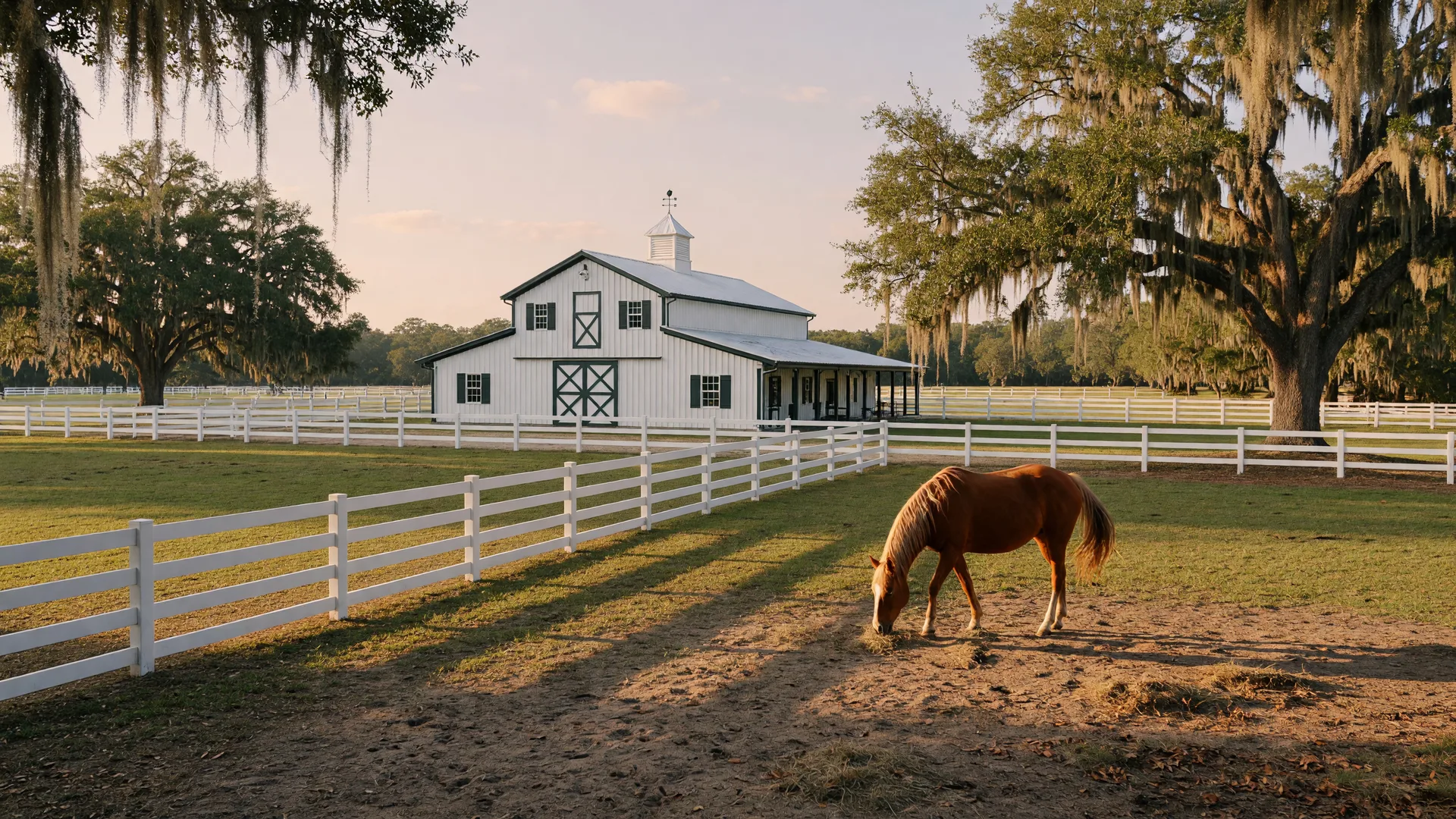
Buying horse property in Aiken SC is a bigger decision than a standard home purchase, because the land, barn, and fencing are working parts of your daily life. Before making an offer, this 10-item pre-offer checklist walks you through zoning, fencing, drainage, water supply, barns, acreage, inspections, and the other details that separate a great horse property from a costly surprise.
Aiken is one of the most established equestrian communities in the Southeast, with more than 2,100 acres of Hitchcock Woods trails, year-round riding, and a deep network of equine professionals. That strength also means competition for good horse properties, so it is easy to feel pressure to move fast. A disciplined checklist, checked with an equine-savvy inspector and local professionals, lets you move with confidence instead of regret.
Key Takeaways
- ✓ Verify zoning and permitted horse counts for the specific property before you offer.
- ✓ Walk the land: acreage, pasture quality, drainage, and fencing condition all matter as much as the house.
- ✓ Confirm the water supply, including well records and delivery to stalls and paddocks.
- ✓ Hire an inspector who knows barns and equestrian properties, not just a standard home inspector.
- ✓ Keep your horse plan concrete: number of horses, daily care, riding, and future growth all shape the right property.
Table of Contents
- Why a Pre-Offer Checklist Matters for Horse Property
- 1. Is the Property Zoned for the Horses You Want to Keep?
- 2. Does the Acreage Match Your Horse Plan?
- 3. Is the Fencing Safe, Sound, and Built for Horses?
- 4. How Does the Land Drain After Rain?
- 5. Is the Water Supply Reliable Year-Round?
- 6. Is the Barn Structurally Sound and Functional?
- 7. What Is the Condition of the Pastures and Soil?
- 8. Can You Ride Where You Want to Ride?
- 9. Who Will Inspect the Barn, Well, and Land?
- 10. What Does Daily Life Look Like From This Property?
- Who Should Help You Work This Checklist?
- Linda's Local Insight
- Client-Friendly Takeaway
- FAQs
Why a Pre-Offer Checklist Matters for Horse Property
A standard house purchase is mostly about the house. A horse property purchase is about the whole system: the house, the barn, the fencing, the pastures, the water, and the roads and trails that connect it all. Because that system is expensive to fix or replace, small problems found before you offer become negotiating points, while the same problems found after closing become your expenses.
The checklist below is designed to be practical, not overwhelming. Each item is something you can verify in an afternoon of focused touring or during your inspection period, and each one is worth confirming with the right local professional before you sign.
1. Is the Property Zoned for the Horses You Want to Keep?
Zoning is the item buyers skip most often, and it is the one that can quietly ruin a horse property dream. Aiken County zoning rules can tie the number of horses you keep to your acreage, and setback requirements may apply to barns, run-in sheds, and fencing near property lines. Deed restrictions and HOA covenants can add further limits on outbuildings and fencing styles.
For each property you seriously consider, confirm the zoning classification with the Aiken County planning or zoning office, and have a real estate attorney review the deed restrictions. Linda Limehouse can help you identify what to ask and which documents to request before you offer.
2. Does the Acreage Match Your Horse Plan?
A common starting benchmark is about two acres per horse when horses live on pasture, which is why three to five horses usually point toward six to ten acres. But usable acreage matters more than the parcel number. Ask how much of the land is open pasture versus woods, wetlands, slopes, or other non-grazing ground.
Think ahead, too. If you may add another horse, build an arena, or create extra paddocks later, the property needs room for that growth. The right parcel fits both the herd you have today and the setup you want in a few years.
3. Is the Fencing Safe, Sound, and Built for Horses?
Fencing protects your horses and manages your pastures, and it is one of the most expensive systems on the property to maintain or replace. Aiken horse properties commonly use wooden post-and-rail, vinyl, electric tape, and high-tensile wire, and each has its own maintenance profile.
Walk the entire fence line, not just the frontage. Look for loose boards, leaning or rotted posts, broken rails, sagging or rusted wire, and gaps a horse could push through. If significant sections need replacement, get a rough sense of the cost from a local fence contractor and factor it into your offer.
4. How Does the Land Drain After Rain?
Drainage shapes pasture quality, hoof health, and how much you will fight mud. Aiken's sandy loam drains naturally in most areas, but individual properties still develop low spots where water collects after heavy rain, especially near driveway crossings, gateways, and building foundations.
Walk the pastures and paddock areas, and if possible visit after a rain event or ask the owner and neighbors how the land handles wet weather. Check for erosion on slopes and standing water in low areas. A property with chronic wet spots may need drainage work that belongs in your negotiation, not your surprise budget.
5. Is the Water Supply Reliable Year-Round?
Horses need a steady supply of clean water every day, and in warm South Carolina summers the demand only climbs. If the property uses a private well, request the well records, ask about depth and flow rate, and have a licensed well professional assess the system during your inspection period.
Ask how water reaches the barn and paddocks. Frost-free hydrants in each paddock and a water line already run to the barn are conveniences that save major projects. Municipal water is another option in some areas and offers predictable availability with a monthly charge.
A water quality test is inexpensive insurance when horses will drink from the source daily. Your veterinarian can tell you exactly what to test for, and the well professional can explain the results in practical terms.
6. Is the Barn Structurally Sound and Functional?

The barn is the heart of the property, and its condition can make or break both your budget and your daily routine. Look up at the roof for leaks and check the ventilation, because airflow is critical to equine respiratory health. Evaluate stall sizes against your horses, and check the flooring in stalls and aisles.
A functional barn has dedicated space for tack and feed storage, and many buyers value a wash or grooming area with water. Ask about the age of the roof and electrical system, and note any recent repairs or known issues. Older barns often need work, so be honest with yourself about what the current condition will cost you.
7. What Is the Condition of the Pastures and Soil?
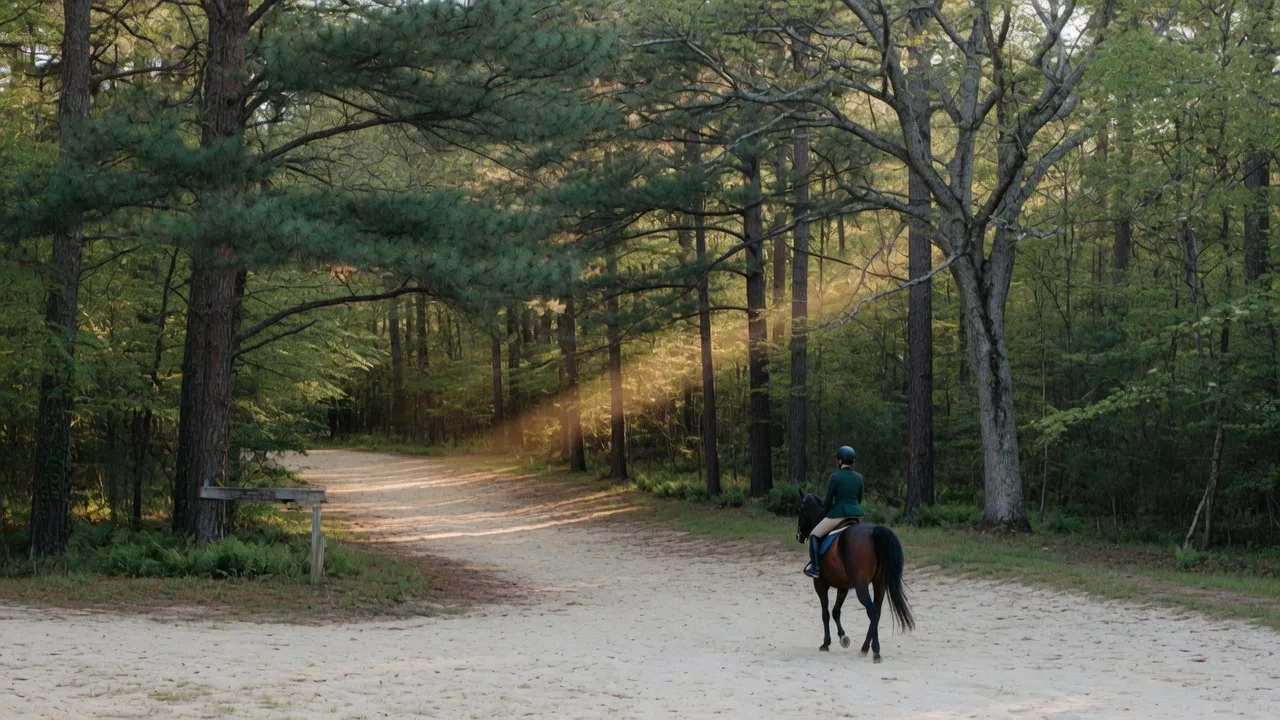
Pasture condition tells you how much land management lies ahead. Look at the grass stand itself: dense, healthy grass suggests good care, while thin, weedy, or eroded fields mean reseeding and weed control are probably in your future.
Ask the seller and the neighbors what the current owner does for mowing, rotation, and weed control. If you plan to improve the pastures, your veterinarian or the local cooperative extension office can guide you on soil testing before you fertilize or reseed.
Some pasture weeds in the Aiken area are not safe for horses to graze heavily, so knowing what grows in the fields and what management it takes is genuinely useful information before you offer.
8. Can You Ride Where You Want to Ride?
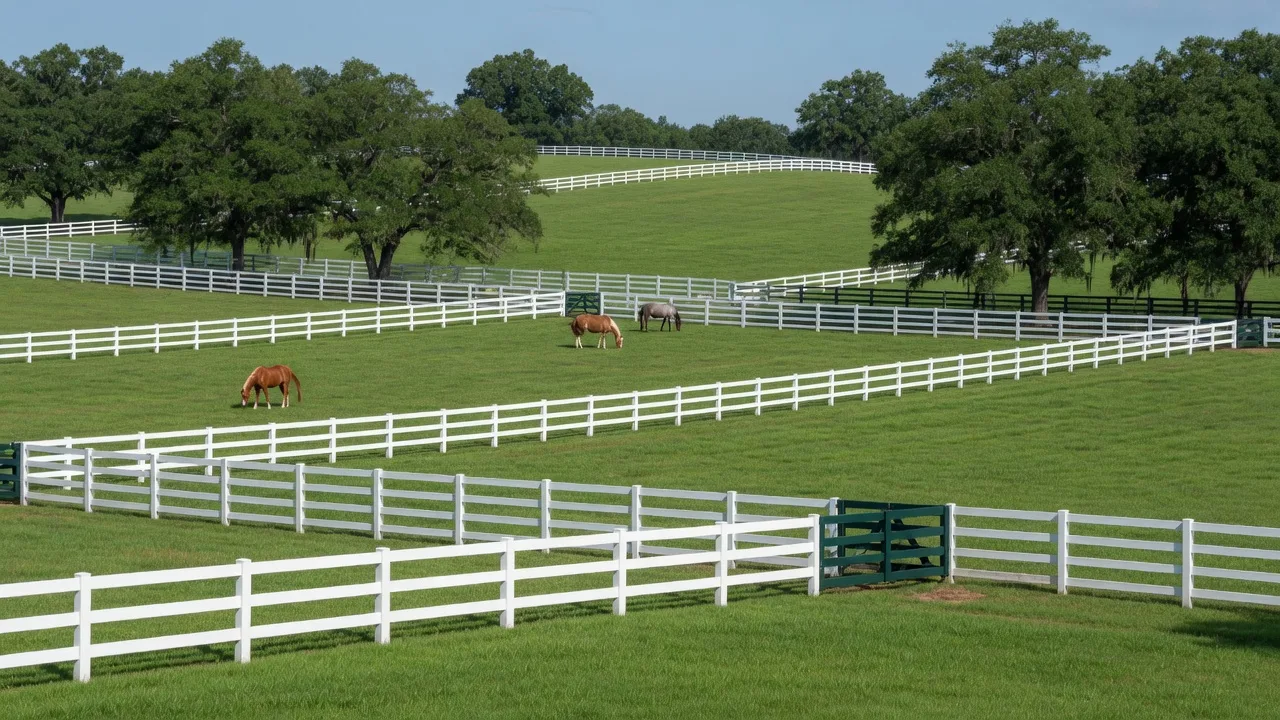
Riding access shapes your daily life more than almost any other feature. Ask whether each property includes an arena or round pen, and find out how close you are to the riding you actually do: Hitchcock Woods trail riding, lessons at a training barn, or the equestrian events that draw riders to Aiken.
Direct or deeded trail access into Hitchcock Woods is rare and valuable, and properties with it tend to command a premium. Ask how any claimed access is documented, and confirm trail entrances you can reach from the property. If a property lacks an arena, check what nearby facilities offer; Aiken's training barn network often fills that gap nicely.
9. Who Will Inspect the Barn, Well, and Land?
Standard home inspections do not cover barns, fencing, or land in meaningful detail. That is why an equine-savvy inspector is one of the best investments you can make. Look for an inspector with experience on equestrian properties who will evaluate the barn structure, roofing, electrical, ventilation, stall flooring, and drainage around the building.
In parallel, schedule specialist checks for the systems horses depend on: a licensed well professional for the water system, and a septic inspection if the property uses one. Your veterinarian can review the water quality results and give the land a once-over if they offer that service.
Structuring these inspections during your due diligence period gives you clear information before your offer becomes final, and it gives you leverage if findings justify a price adjustment.
10. What Does Daily Life Look Like From This Property?
The last checklist item is the one that resale data never captures: logistics. How far is the property from your work commute, the feed store, and your farrier's route? Is the driveway wide enough for a truck and trailer to turn around? Are utilities available to the barn, and is there reliable road access all year?
These questions matter because horse ownership is daily work, and daily work gets harder when the basics are inconvenient. A property that looks perfect on paper but sits an hour from your equine vet, or lacks power at the barn, will quietly drain the joy out of the lifestyle.
Talk to the neighbors, especially the ones who keep horses, and ask what daily life is actually like on the road and in the community. Neighbors are often the most honest source of information about a property and its surroundings.
Who Should Help You Work This Checklist?
No single person can verify all ten items alone, and you should not try to. The right team makes the process faster and safer:
- Your Realtor. Someone who knows horse properties keeps the equestrian details in view while coordinating tours, documents, and the negotiation.
- An equine-savvy inspector. The person who will actually evaluate the barn, pastures, and fencing with fresh eyes.
- Your equine veterinarian. The right voice on water quality, pasture concerns, and anything about the property that touches horse health.
- Your farrier and trainer. Practical insight on footing, paddock setup, and what daily care on the property will really require.
- A licensed well and septic professional. Confirmation that the water system and waste systems can handle your use.
- Aiken County planning or zoning and your real estate attorney. The definitive answers on horse counts, setbacks, and deed restrictions.
Every property is different, so confirm anything important with the local professionals directly. The few hours this takes can save you years of surprise costs.
Linda's Local Insight
I have represented buyers and sellers of Aiken horse properties for more than 20 years, and the strongest offers I have seen are always backed by homework. Buyers who walk the fence lines, question the well, and bring a barn-savvy inspector to the property come to the table with confidence, and that confidence shows up in cleaner negotiations.
Aiken is a wonderful place to buy with horses, but it is still a market where the details determine the outcome. Zoning, drainage, barn condition, and trail access are not optional extras; they are the substance of the purchase.
As an AI-Certified Realtor® with Meybohm Real Estate, I use local market data and modern tools alongside deep equestrian knowledge to help you evaluate properties honestly. If you are considering horse property in Aiken, I would welcome the chance to walk a checklist like this with you on the ground.
Client-Friendly Takeaway
Buying horse property in Aiken comes down to ten practical checks: zoning, acreage, fencing, drainage, water, the barn, the pastures, riding access, inspections, and daily logistics. None of them are glamorous, and all of them are worth doing before you make an offer.
Work with an equine-savvy inspector and local professionals who see what a quick tour misses, and let the findings shape your offer with confidence. The right horse property is out there, and the right checklist is the fastest way to find it.
Linda Limehouse | First AI-Certified Realtor® | Meybohm Real Estate
Ready to Find Your Aiken Horse Property?
If you are thinking about buying horse property in Aiken SC, I can help you evaluate the zoning, barns, fencing, water, and pasture details that make a property work for your horses, and point you to the local professionals who should verify each item.
Linda Limehouse
First AI-Certified Realtor® | Meybohm Real Estate
Licensed in SC & GA
Serving Aiken, North Augusta, Augusta, and the greater CSRA.
Frequently Asked Questions
Do I need a separate barn inspection when buying horse property in Aiken?
Yes, and it is worth every dollar. Standard home inspections do not cover barns, fencing, or land in detail. A specialized barn inspection looks at roof condition, ventilation, stall construction, electrical systems, and drainage around the structure. An equine-savvy inspector, veterinarian, or experienced barn manager can also help evaluate whether the layout actually works for daily horse care.
How many horses can I keep on a property in Aiken County?
Aiken County zoning ties permitted horse counts to acreage in many cases, and setback requirements may apply to barns and fencing. The exact number depends on the zoning classification of the specific property, and some neighborhoods or HOA communities add their own restrictions. Verify the specifics for each property with the county planning office and have your real estate attorney review the deed restrictions before you make an offer.
Should I test the well before making an offer on horse property?
If the property relies on a private well, yes. Ask for the well records, learn the depth and flow rate, and have a licensed well professional assess the capacity and water quality of the system as part of your inspection period. Wells in the Aiken area can produce less during dry summer stretches, so understanding seasonal performance matters for keeping water in stalls and paddocks year-round.
What is the most common fencing problem buyers find on Aiken horse properties?
Loose boards, leaning or rotted posts, sagging wire, and gaps where a horse could push through are the most common issues. The good news is that most of these are visible if you walk the full fence line. The less welcome news is that replacing fencing is one of the bigger expenses on a horse property, so the condition of the fence should factor directly into your offer.
Who should walk the property with me before I make an offer?
Bring people who see what a standard tour misses: an equine-savvy inspector for the barn and land, your veterinarian if they are willing, a farrier for anything that affects footing and hoof health, and a licensed well or septic professional for the utility systems. Your Realtor coordinates the visits and helps you translate what you find into a confident offer.
Related Reading
- → Buying Horse Property in Aiken SC: A Relocation Buyer's Guide
- → Moving to Aiken With Horses: The Complete Relocation Guide
- → Moving Horses to Aiken SC: What Relocation Buyers Should Plan For
- → What to Look for in Horse Property in Aiken SC
- → Well and Septic 101 for Aiken Acreage Buyers
- → Cost of Owning Horse Property in Aiken SC
- → Buying Equestrian Properties in Aiken, SC: A 2026 Guide
Linda Limehouse | First AI-Certified Realtor®
Meybohm Real Estate · Aiken, SC
803-278-1800